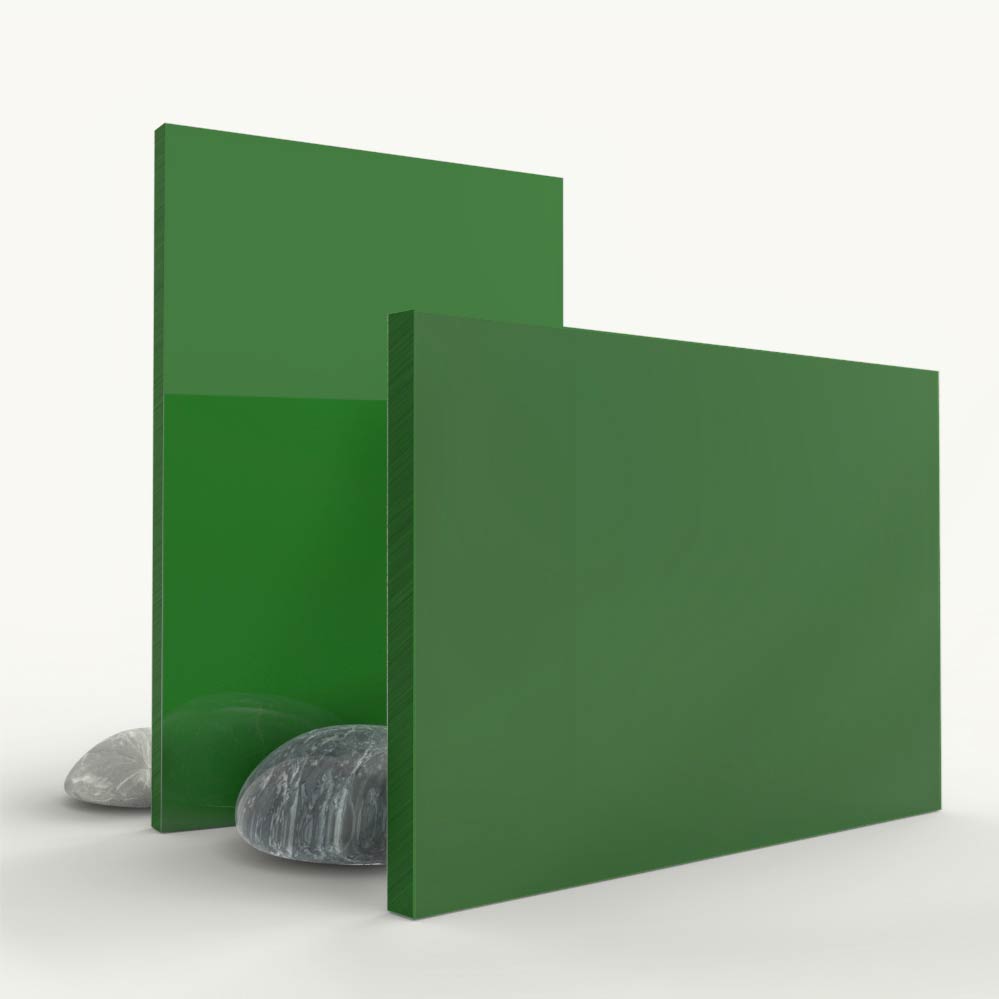
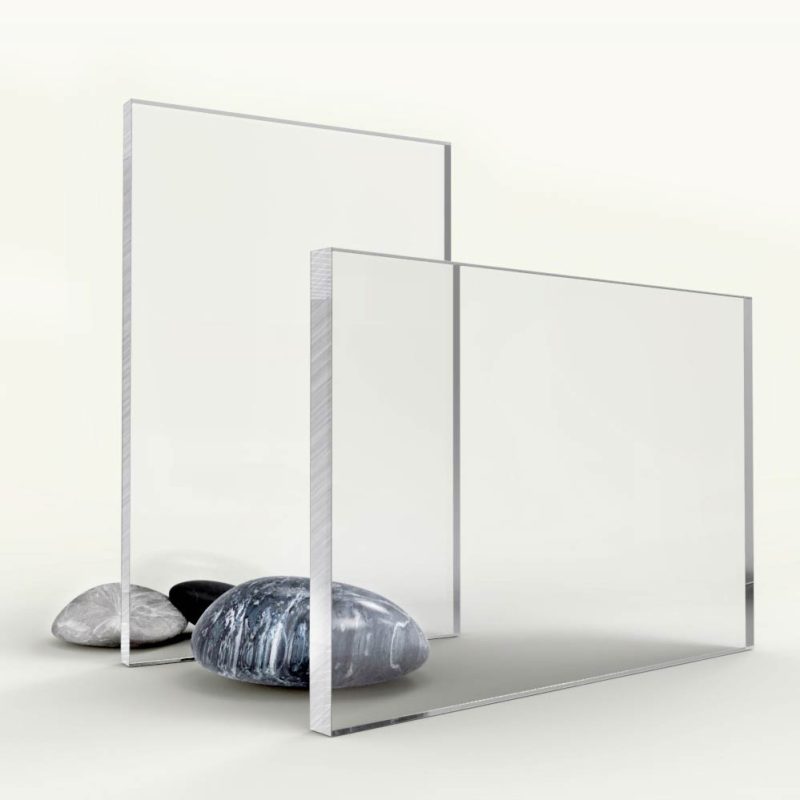
Aluminum Composite Panel (acm panel )– Features, Applications & Buying Guide!

Aluminum Composite Panel (ACP) is one of the most widely used cladding and architectural panel materials in modern construction. Known for its lightweight structure, high rigidity, and clean aesthetic appearance, ACP panels have become a preferred solution for exterior facades, signage systems, interior design, and commercial applications.

In comparison to materials commonly searched as 4x8 plastic panels, Aluminum Composite Panels provide significantly greater structural strength, weather resistance, and long-term durability. At Fidar System, we supply high-quality ACP solutions suitable for commercial and architectural projects across Canada.

What Is an Aluminum Composite Panel?

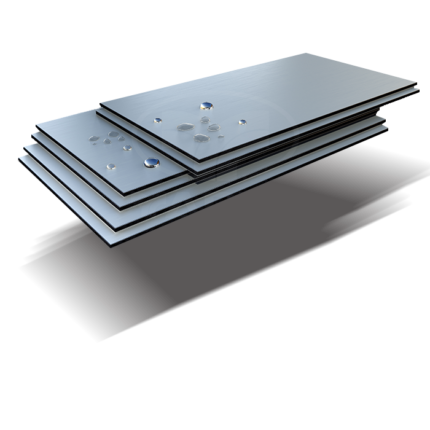
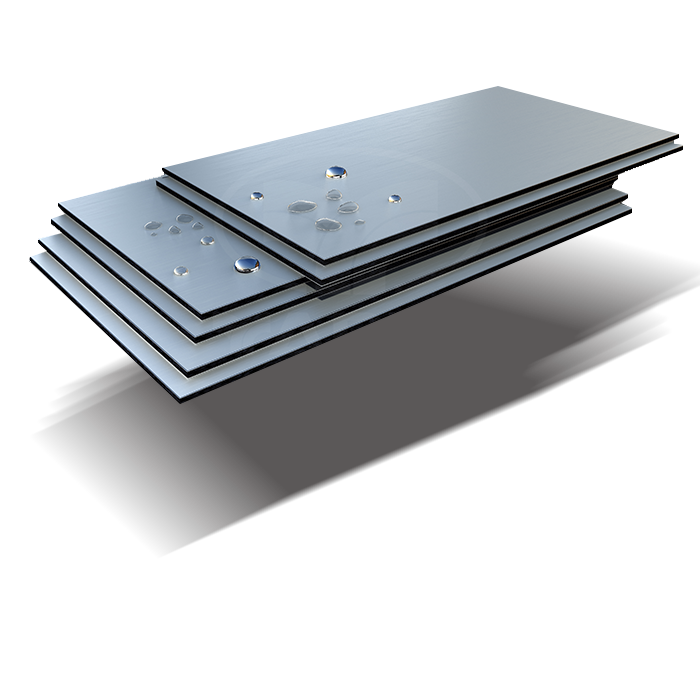
An Aluminum Composite Panel (ACP) is a multi-layer engineered building material composed of two thin aluminum sheets bonded to a non-aluminum core. The core is typically made from polyethylene (PE) or a fire-resistant mineral-filled compound, depending on the performance requirements of the project. This layered construction creates a panel that combines rigidity, lightweight performance, and dimensional stability in a single integrated system.

The outer aluminum layers serve as protective skins, delivering structural strength, corrosion resistance, and a smooth surface finish suitable for architectural applications. These layers are often coated with protective finishes such as polyester or PVDF coatings to enhance resistance against UV radiation, moisture, and environmental pollutants.

The core material plays a critical role in reducing overall weight while improving impact absorption. This combination of materials results in a panel that is significantly lighter than solid aluminum sheets while maintaining comparable flatness and stability over large surface areas.

Because of this engineered composition, Aluminum Composite Panels are highly versatile for modern construction and design projects. They offer excellent formability, allowing architects and fabricators to cut, route, bend, and shape panels into complex geometries while preserving structural integrity. This balance of strength, flexibility, and aesthetic quality makes ACP panels a preferred choice in commercial facades, signage systems, interior cladding, and contemporary architectural designs.


Key Features of Aluminum Composite Panels

Aluminum Composite Panels are widely selected because of their balanced performance characteristics:

  • Lightweight yet structurally stable
  • High resistance to weather and corrosion
  • Smooth, flat surface finish
  • Easy fabrication and installation
  • Fire-rated core options available
  • Excellent dimensional stability

Unlike standard plastic materials, ACM panels maintain flatness over large surfaces, making them suitable for architectural facades and signage systems.

Aluminum Composite Panel vs 4x8 Plastic Panels

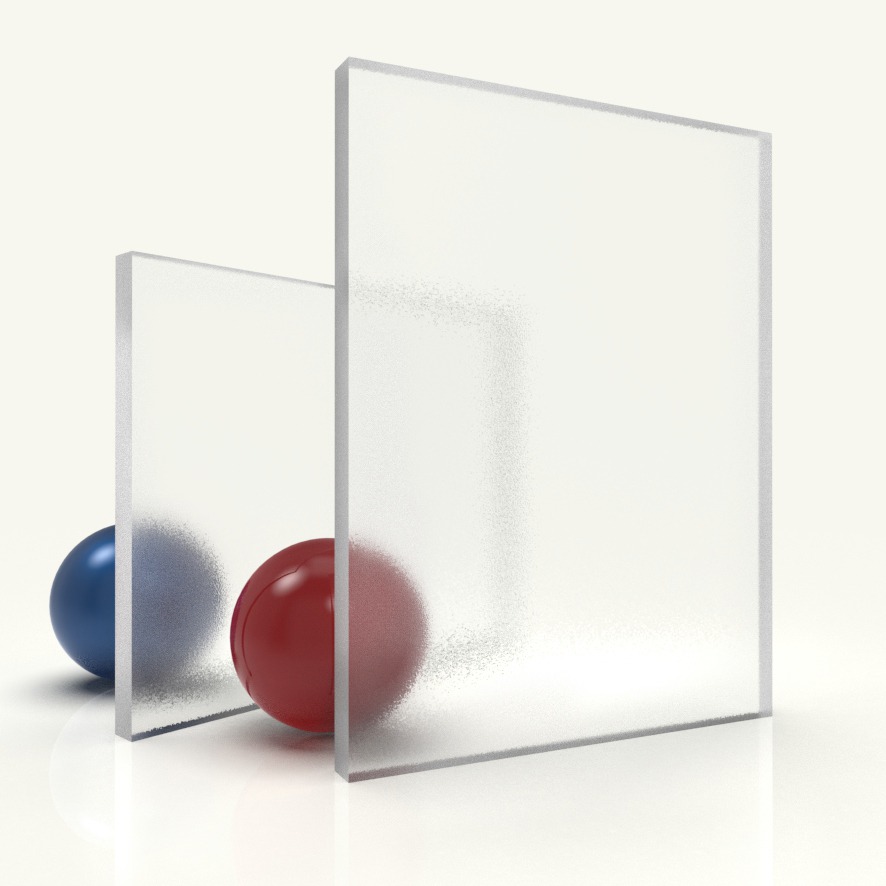
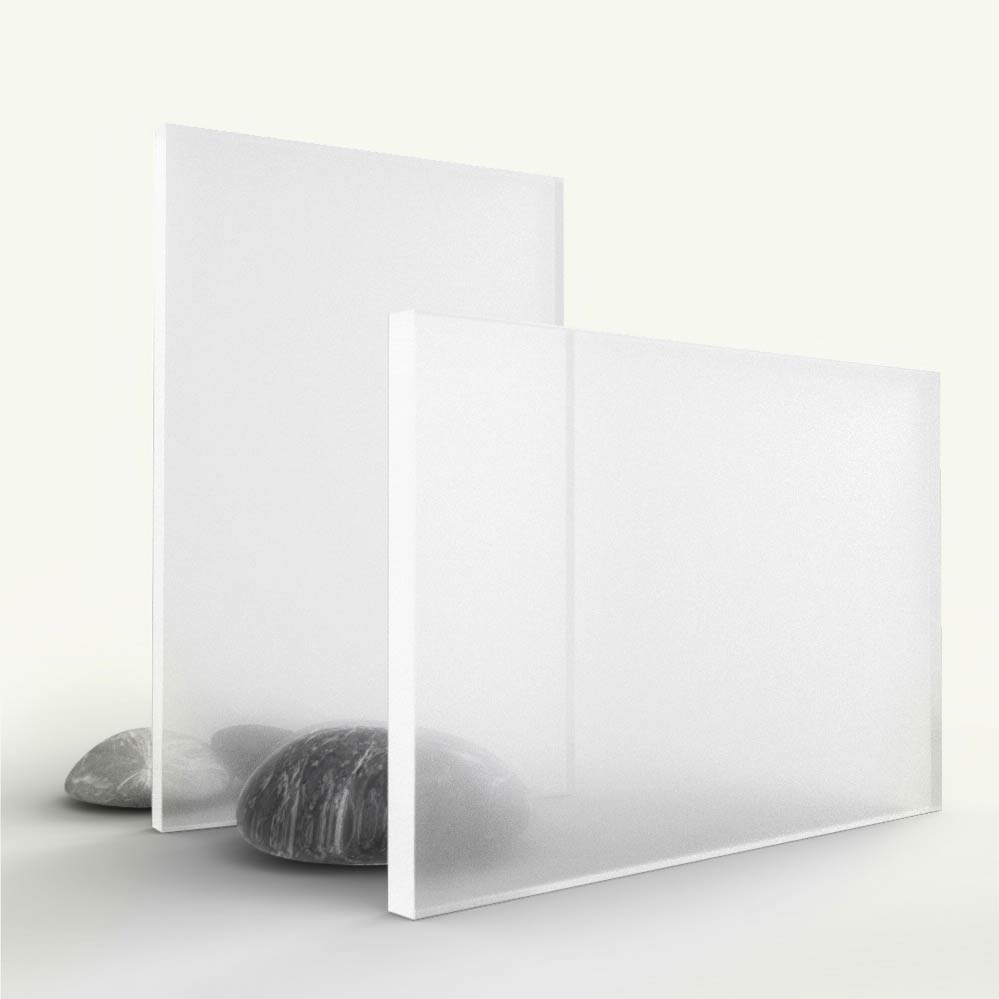
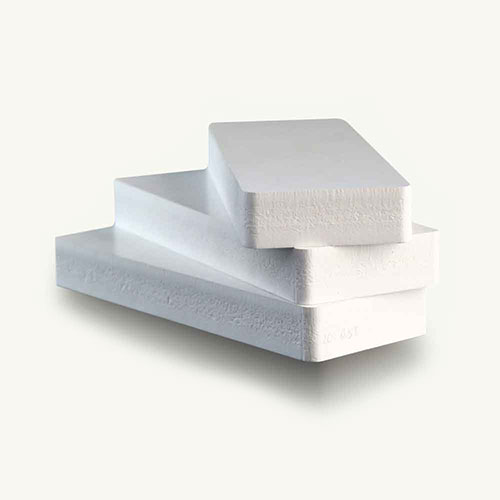
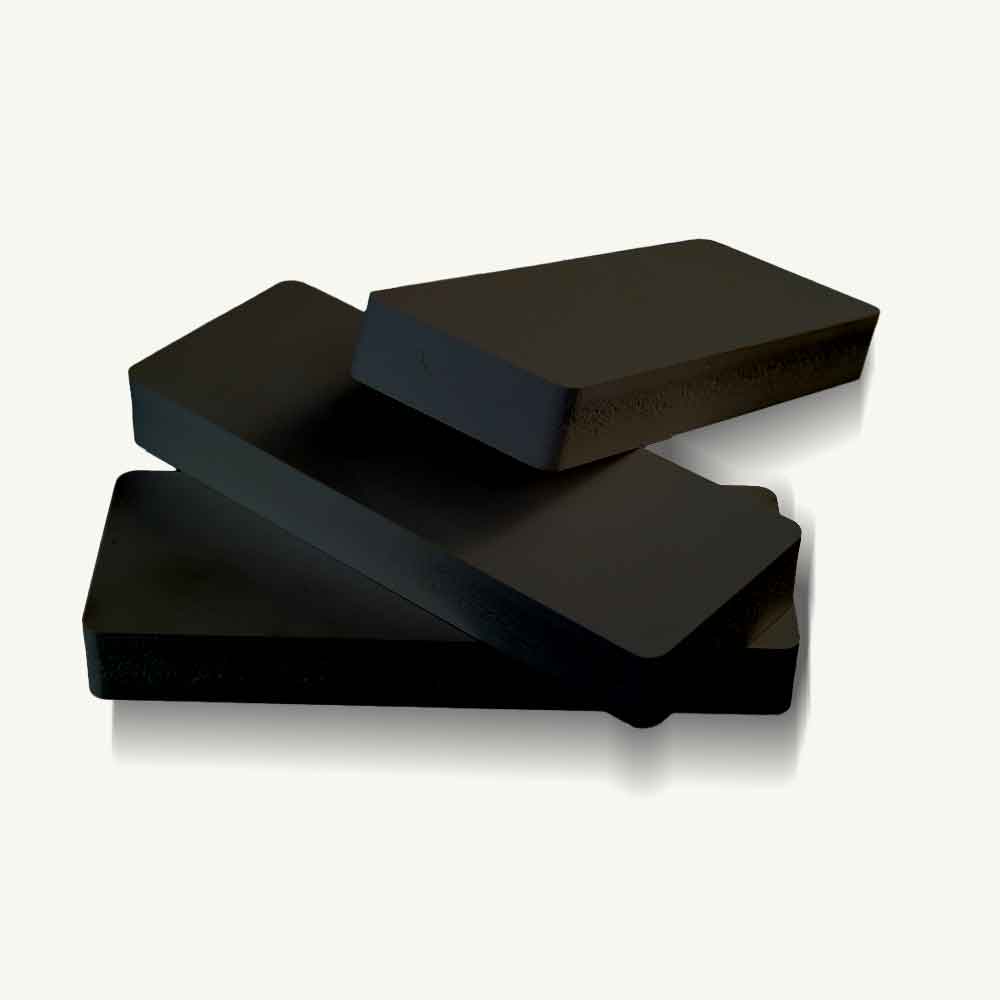
Many buyers researching building materials come across 4x8 plastic panels, which are often used for interior wall cladding or temporary installations. While plastic panels may be cost-effective for basic indoor applications, they lack the rigidity and long-term weather resistance required for structural exterior projects.

Compared to 4x8 plastic panels, Aluminum Composite Panels offer:

  • Greater structural strength
  • Better resistance to UV exposure
  • Improved fire safety options
  • Enhanced aesthetic finish
  • Longer service life

For exterior cladding, commercial signage, and architectural facades, ACP panels provide significantly higher value and durability.

Common Applications of ACP Panels

Aluminum Composite Panel products are used in a wide range of industries:

  • Building facades and exterior cladding
  • Commercial signage and advertising boards
  • Interior wall panels and decorative features
  • Retail store fit-outs
  • Transportation and vehicle body panels
  • Exhibition and display systems

Their adaptability makes them suitable for both structural and decorative applications.

Standard Sizes and 4x8 ACP Panels

Aluminum Composite Panels (ACP) are commonly manufactured in standardized sheet sizes to ensure compatibility with framing systems, cladding grids, and installation methods used in commercial construction. One of the most popular and widely requested formats is the 4x8 ACP panel, which aligns with standard building modules and simplifies transportation, storage, and on-site handling.

While many buyers search for materials under terms such as 4x8 plastic panels, professional construction and architectural projects often require the enhanced structural integrity, weather resistance, and surface finish offered by 4x8 Aluminum Composite Panels. The 4x8 format provides an efficient balance between coverage area and ease of installation, reducing labor time and material waste.

In addition to standard dimensions, ACP panels are available in various thickness configurations. Total panel thickness typically ranges depending on the project’s structural and design needs. The thickness of the aluminum skins can vary to provide additional rigidity or improved impact resistance. Core materials may include standard polyethylene for general applications or fire-rated mineral-filled cores for projects requiring compliance with building safety codes.

Custom sizing options may also be available for large-scale commercial developments or specialized architectural installations. This flexibility allows contractors, designers, and fabricators to select ACP panels that meet both performance requirements and aesthetic goals, ensuring efficient installation and long-term durability.

Fabrication and Installation Advantages

One of the key benefits of Aluminum Composite Panels is their ease of fabrication. ACP panels can be:

  • CNC routed
  • Cut and shaped with precision tools
  • Bent and folded for architectural detailing
  • Drilled and mechanically fastened
  • Installed using modern cladding systems

Their flexibility allows architects and contractors to create curved facades, clean corners, and seamless panel systems.

Durability and Weather Performance

Aluminum Composite Panels are designed for long-term exterior performance. The aluminum surfaces are coated with protective finishes such as PVDF or polyester coatings, which enhance resistance to UV rays, moisture, and environmental pollutants.

Unlike some plastic-based materials, ACP panels maintain structural stability and color integrity over time. This makes them a reliable choice for commercial and industrial building envelopes.

Cost Considerations

The price of Aluminum Composite Panels depends on:

  • Panel thickness
  • Aluminum skin thickness
  • Core material (standard or fire-rated)
  • Surface finish and coating
  • Project volume

Although ACP panels may have a higher upfront cost compared to basic plastic panels, their long lifespan and minimal maintenance often make them more cost-effective over time.

Why Choose Fidar System for Aluminum Composite Panels?

At Fidar System, we supply professional-grade Aluminum Composite Panels designed for commercial and architectural applications. Our panels are selected to meet quality standards and performance requirements for modern construction.

Customers benefit from:

  • Consistent material quality
  • Standard and custom sizing options
  • Reliable supply for commercial projects
  • Professional material guidance

Conclusion

Aluminum Composite Panel systems offer a lightweight, durable, and visually refined solution for exterior and interior applications. Compared to 4x8 plastic panels, ACP panels deliver superior structural integrity, weather resistance, and long-term performance. Choosing a reliable supplier ensures quality materials and successful project execution.

Frequently Asked Questions (FAQ)

What is an Aluminum Composite Panel used for?

It is commonly used for building facades, signage, interior cladding, and commercial applications.

Yes, they are designed for exterior durability and weather resistance.

Yes, standard 4x8 sizes are commonly available.

Fire-rated core options are available for building code compliance.