
Design trends, Inspiration

What is ACM Panel? Complete Guide for Canada (2026)

acm panel blog cover

What is Aluminum Composite Panel (ACM)? Complete Guide for Canada

Aluminum Composite Panels (ACM) have become a key material in modern construction and architectural design across Canada. Known for their durability, lightweight structure, and sleek appearance, ACM panels are widely used in both residential and commercial projects.

In this guide, we’ll cover everything you need to know about ACM panels — including structure, applications, pricing, and how to choose the right supplier in Canada.

What is an ACM Panel?

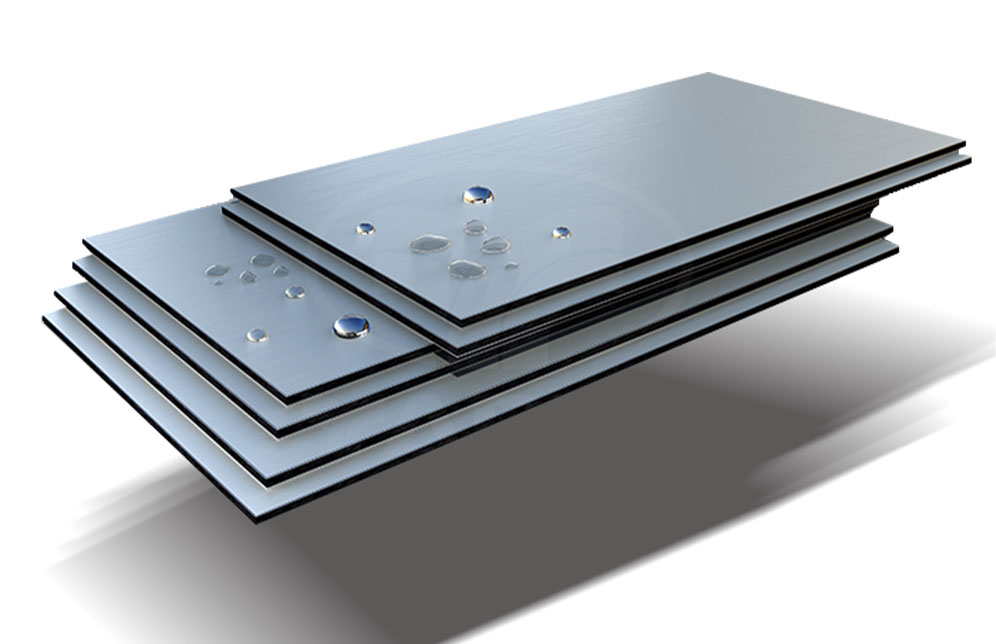
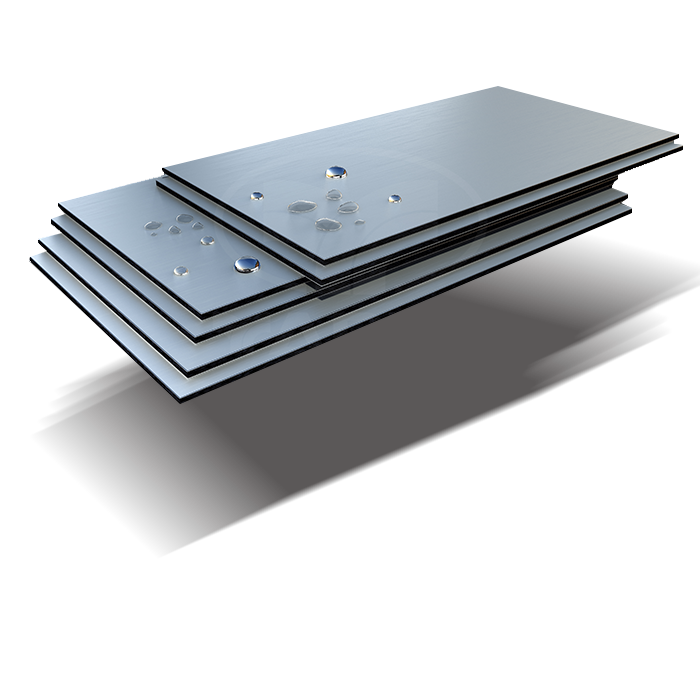
An Aluminum Composite Panel (ACM) is a flat panel made of:

  • Two thin aluminum sheets
  • A non-aluminum core (usually polyethylene or fire-resistant material)

This combination creates a material that is:

  • Strong
  • Lightweight
  • Flexible

ACM panels are designed to provide both structural support and aesthetic appeal.

Structure of ACM Panels

Understanding the structure helps you choose the right type for your project.

Outer Layers

The aluminum layers provide:

  • Weather resistance
  • Corrosion protection
  • Structural strength

Core Material

The core determines:

  • Fire resistance
  • Flexibility
  • Overall weight

Common core types:

  • Polyethylene (PE) → standard use
  • Fire-resistant (FR) → required for many building codes in Canada

Applications of ACM Panels in Canada

ACM panels are used in a wide range of industries:

1. Building Facades:

  • Exterior cladding
  • Modern architectural designs

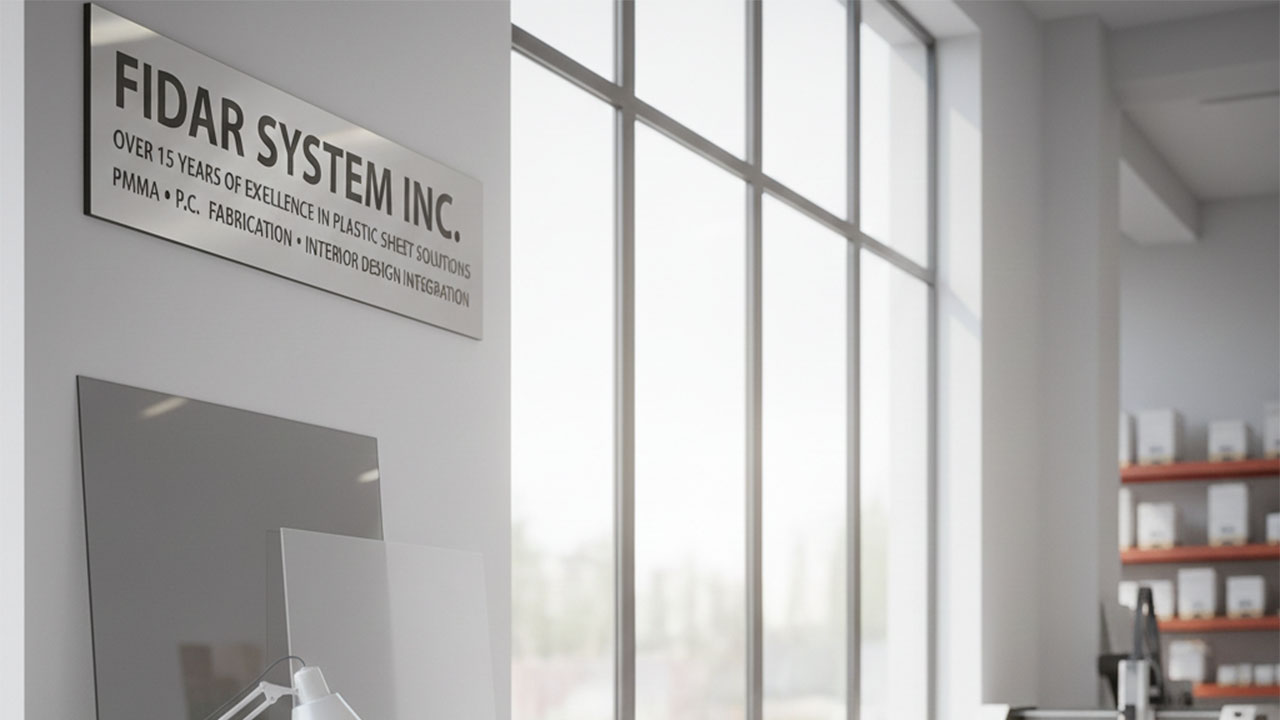
2. Signage and Advertising:

  • Shop signs
  • Billboards
  • Display panels

3. Interior Design:

  • Wall panels
  • Decorative elements

4. Industrial Use:

  • Protective coverings
  • Equipment enclosures

Benefits of ACM Panels

ACM panels offer several advantages over traditional materials:

  • Lightweight → easier installation
  • High durability → long lifespan
  • Weather resistance → ideal for Canadian climate
  • Smooth surface → modern appearance
  • Cost-effective → especially for large-scale projects

ACM Panel vs Aluminum Sheets

Many buyers compare ACM panels with solid aluminum sheets.

Key Differences:

  • ACM panels are lighter
  • ACM panels are easier to install
  • ACM panels provide better insulation
  • Aluminum sheets are stronger but heavier

Conclusion:

For most cladding and signage applications, ACM panels are the preferred choice.

ACM Panel Installation Guide (Overview)

Proper installation is essential for performance and safety.

Basic Steps:

  1. Prepare the surface
  2. Measure and cut panels
  3. Position panels correctly
  4. Fix panels using proper fasteners
  5. Seal joints to prevent moisture

For large projects, professional installation is recommended.

ACM Panel Price in Canada

Pricing varies based on several factors:

  • Panel thickness
  • Core type (PE or fire-resistant)
  • Brand and quality
  • Project size

General Pricing Insight:

  • Standard panels → moderate pricing
  • Fire-resistant panels → higher cost
  • Bulk orders → lower price per unit

How to Choose the Right ACM Panel

Before purchasing, consider:

  • Is the panel for indoor or outdoor use?
  • Do you need fire-resistant materials?
  • What thickness is required?
  • What is your budget?

Choosing the right specifications ensures long-term performance.

Where to Buy ACM Panels in Canada

If you're looking for high-quality ACM panels for construction or signage, you can explore:

👉 https://fidarsystem.com/product-category/upcoming-products/aluminum-composite-panel/

A reliable supplier should provide:

  • High-quality materials
  • Competitive pricing
  • Technical support
  • Consistent availability

Why ACM Panels Are Popular in Canada

Canada’s climate requires materials that can withstand:

  • Temperature fluctuations
  • Moisture and rain
  • UV exposure

ACM panels are specifically designed to perform well under these conditions, making them a preferred choice for builders and architects.

FAQ

What is the lifespan of ACM panels?

ACM panels can last 10–20 years or more depending on quality and installation.

Some panels are fire-resistant (FR core), which is recommended for many projects.

Yes, they are ideal for exterior applications.

They are cost-effective compared to many alternative cladding materials.

Leave a Reply