

Showing 1-4 of 4 articles

Canadian commercial design is moving fast right now. Offices, hotels, and shops have all been reworked since the pandemic, and designers went looking for materials that flex, cost less, and still land visually. Acrylic, ACM composite, and polycarbonate panels sit right in the middle of that shift. This category tracks the trends steering how Canadian architects, interior designers, and sign fabricators specify plastic sheet in 2025 and 2026.
Soft pastel matte acrylic is reshaping retail interiors. ACM composite still owns the commercial facade. We cover what is driving those choices, what is on the way out, and what a Canadian fabricator needs on the shelf to answer a client brief. FIDAR System is Canada's exclusive HHC acrylic distributor. We supply the full range from our North York warehouse in Toronto, at wholesale prices, on a delivery schedule you can plan around.



The Dominant Design Trends Driving Acrylic Demand in Canada
1. Pastel Matte Acrylic - The New Neutral
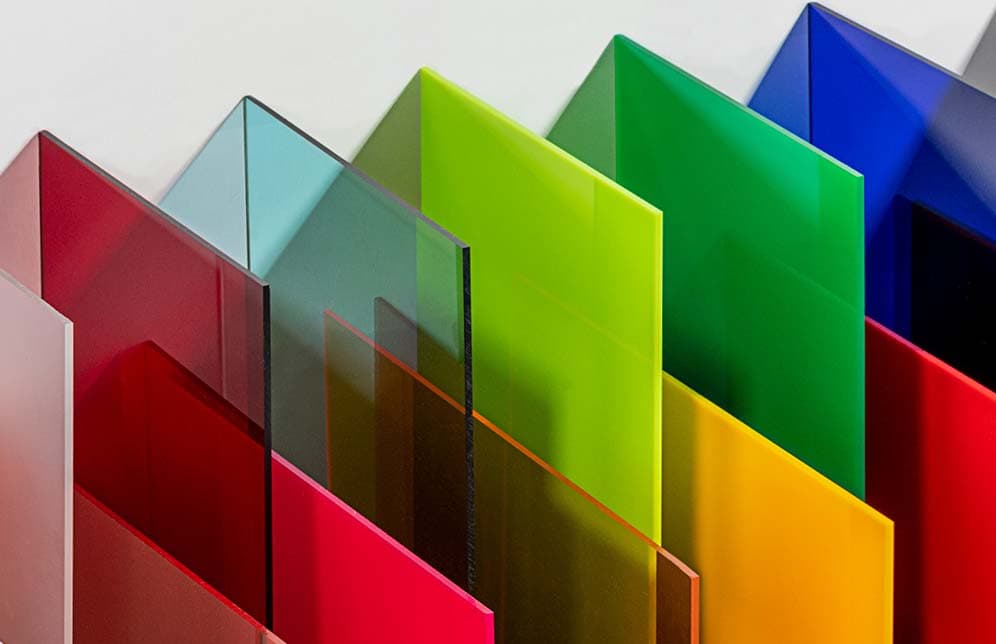
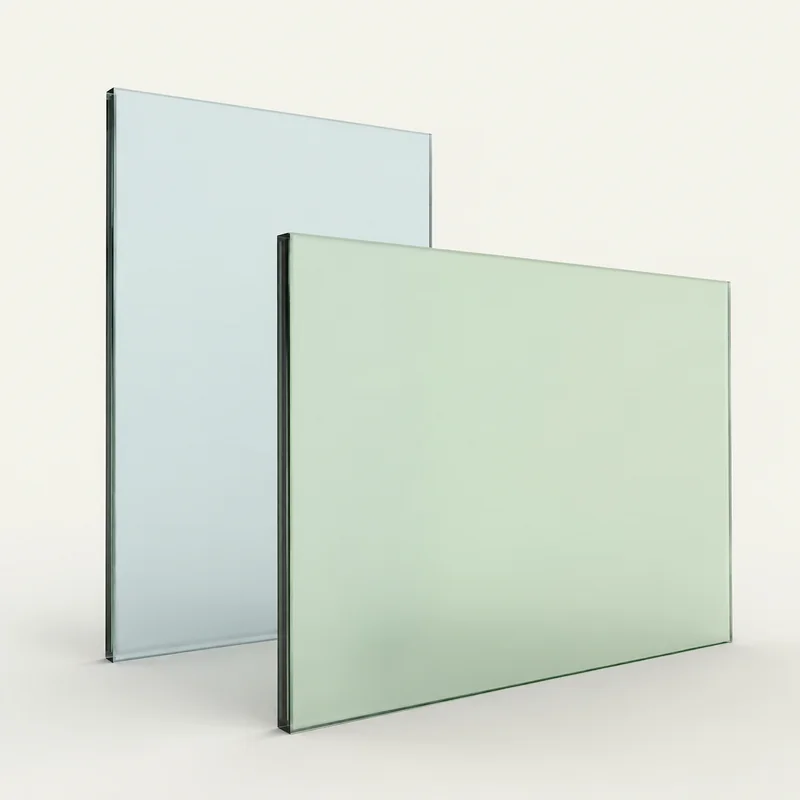
Gloss is out and touch is in. That move to matte has been the defining look in Canadian commercial interiors for three years now. Brands want a space that feels warm and approachable and still reads as premium, all at once. The new pastel matte cast acrylic sheets do exactly that. Our HHC pastel range runs to blush, sage, warm ivory, slate, dusty lavender, and four more soft tones. It is going into café fit-outs, boutique retail, wellness studios, and feature office walls across the GTA and Vancouver. The sheets come as standard 4×8 ft panels, cheap enough to clad a whole wall without a luxury budget.
2. Biophilic Integration with Frosted and Coloured Acrylic
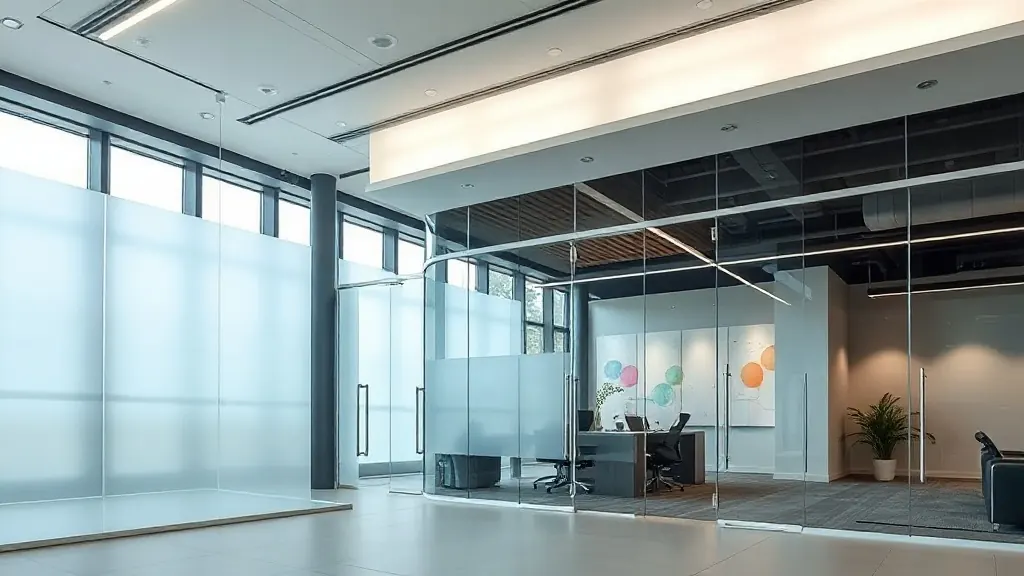
Canadian designers are pulling daylight and greenery into commercial space through frosted acrylic partitions that soften the light. Green-tinted transparent panels work as architectural screens that hint at plant density with none of the watering. P95 frosted acrylic is our most popular privacy grade, and it goes into office partition systems where the brief asks for focus and calm. It passes light while killing glare and hard edges.
3. ACM Composite Cladding on Canadian Commercial Facades
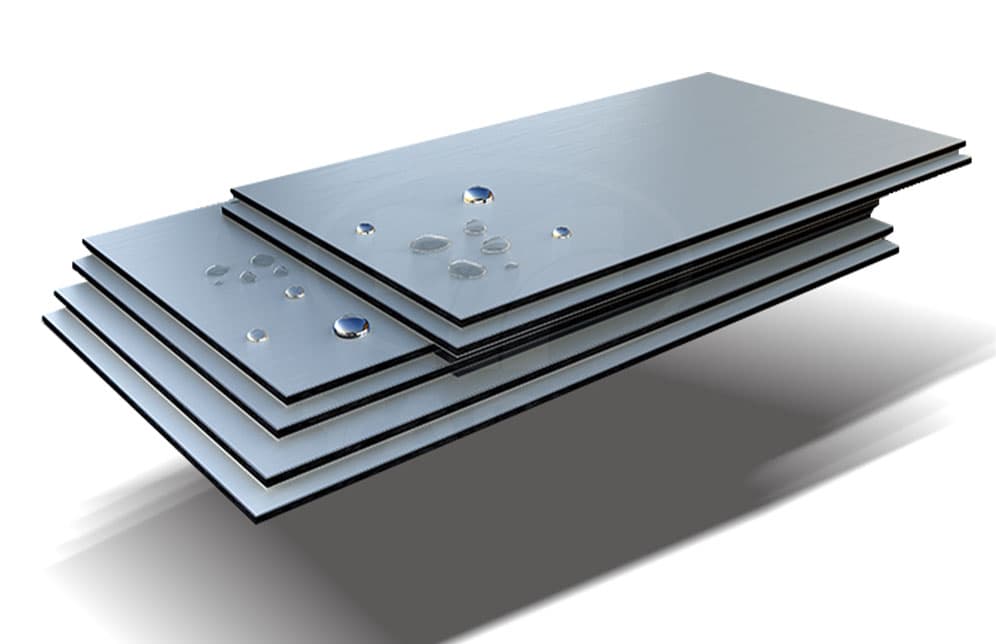
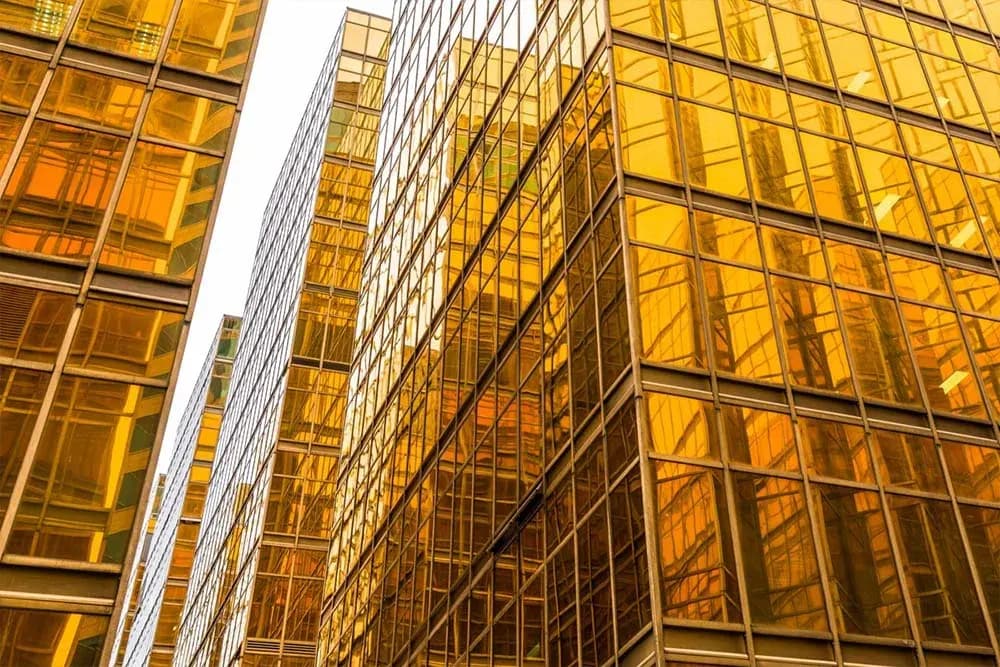
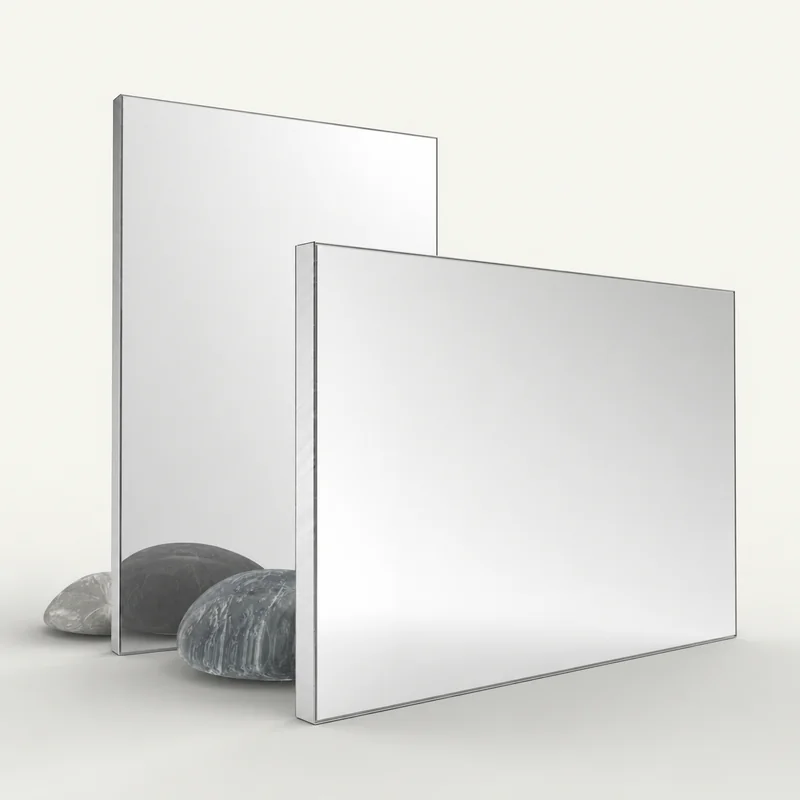
The commercial construction boom has kept ACM, aluminum composite material, as the cladding of choice on low-rise commercial buildings, retail fascias, and the ground floor of mixed-use blocks. The finish has changed. High-gloss silver ruled the early 2000s and has given way to matte and brushed. White matte, brushed silver, and mirror silver now account for most of what gets specified. Read our comprehensive ACM panel guide for Canada.
4. Interactive and Kinetic Acrylic Installations
Art and experience studios keep coming back to acrylic as the base for interactive work. That runs from laser-cut geometric wall sculpture in a corporate lobby to light-reactive pieces that answer movement in the room. Cast acrylic transmits light, bends it, and changes it. A static material cannot hold attention the same way. Aviation and aerospace labs are looking at it too, for canopies and windows, on the strength of its weight against its optical performance.
5. Coloured Acrylic in Canadian Transit and Wayfinding
Transit authorities, universities, and hospital networks are specifying coloured and frosted acrylic for wayfinding, environmental graphics, and amenity signs, and at growing scale. Cast acrylic lasts, forms well, and holds its colour. In a busy institutional building it beats painted or printed alternatives on all three. Explore architecture and art applications of acrylic across the public space sector in Canada.
Material Comparison: Acrylic vs. Alternatives for Design Trend Applications
| Application | Acrylic | Glass | ACM |
|---|---|---|---|
| Feature wall panels | Excellent | Good (heavy, costly) | Good (opaque only) |
| Exterior cladding | Limited (UV-grade) | Limited | Excellent |
| Backlit partitions | Excellent | Good | Not suitable |
| Laser-cut sculptural panels | Excellent | Not suitable | Not suitable |
What acrylic finishes are trending in Canadian commercial interior design in 2025?
Pastel matte acrylic leads 2025 in Canadian commercial interiors. Soft blush, sage green, warm ivory, and slate go into retail, hospitality, and wellness spaces. Mirror acrylic in rose gold and brushed gold stays strong in premium retail and high-end homes. Frosted P95 keeps growing in office partitions and biophilic schemes.
Is ACM composite cladding still the dominant choice for Canadian commercial facades?
Yes. ACM, aluminum composite material, is still the main spec for low-rise commercial cladding, retail fascias, and mixed-use ground floors in Canada. The finish has shifted to matte and brushed. White matte and brushed silver ACM lead the GTA market today.
What is driving acrylic demand in Canadian architecture and interior design?
Three forces. First, the retrofit of offices, shops, and hotels after the pandemic, which created huge demand for partitions, feature walls, and wayfinding. Second, the move to experiential retail and food and drink venues, where a striking custom build is a competitive edge. Third, pressure on design budgets. Acrylic delivers a premium look for a fraction of what stone, glass, or metal would cost.
Resources & Further Reading
External References
Canada's leading architecture and design publication - coverage of commercial interior trends, material innovation, and built environment projects.
The national professional association for interior designers in Canada. Industry standards, material specifications, and design trend resources.