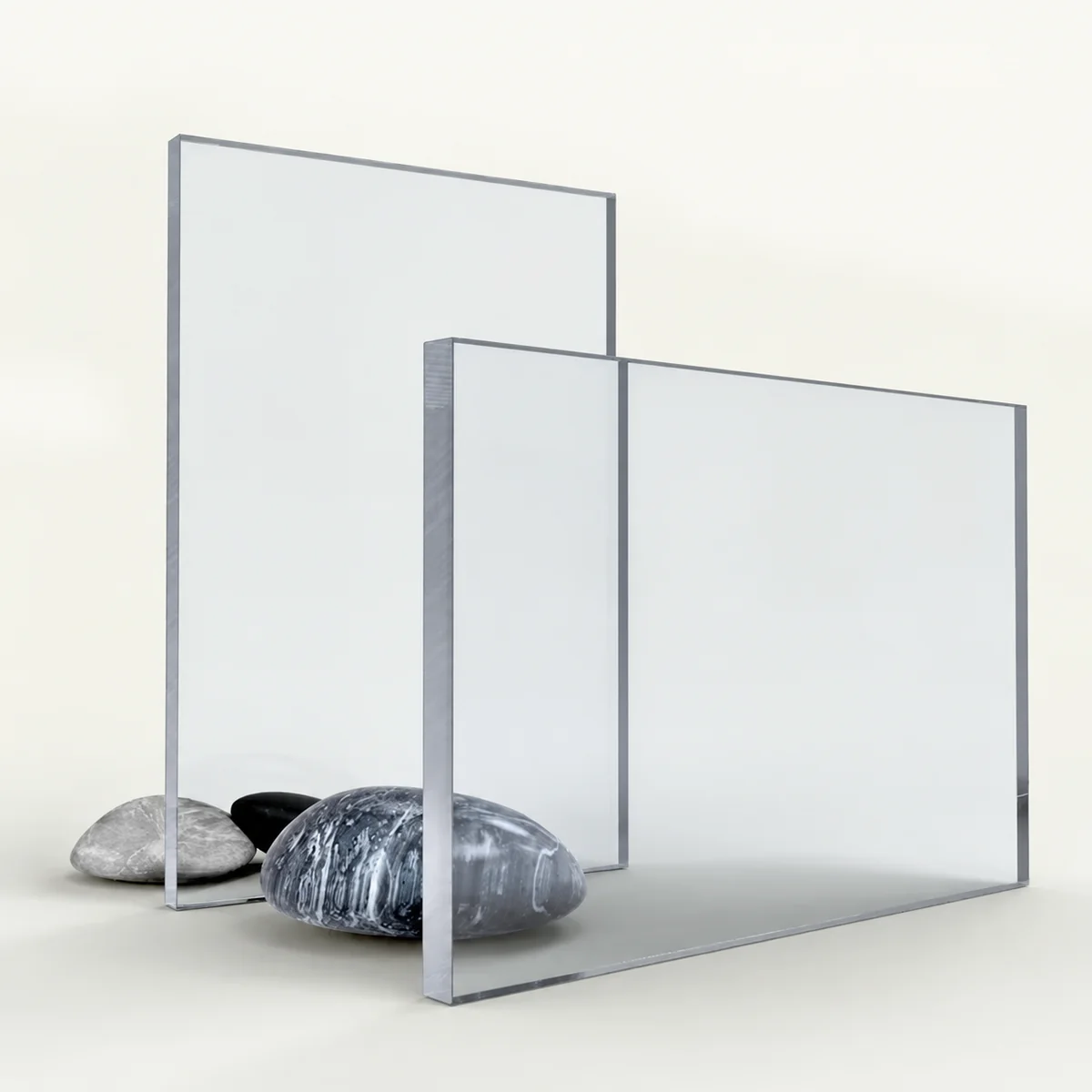
Material
Solid clear polycarbonate (PC)
Light Transmission
~88%
Surface
Smooth gloss both sides, masked
Impact Resistance
Up to 250× vs. glass
UV Resistance
Co-extruded UV layer (one side)
Temperature Range
-40°C to +120°C
Density
1.20 g/cm³
Flammability
Self-extinguishing (UL94 V-2)
Standard Sheet Size
4×8 ft
Thickness Range
2mm – 9mm
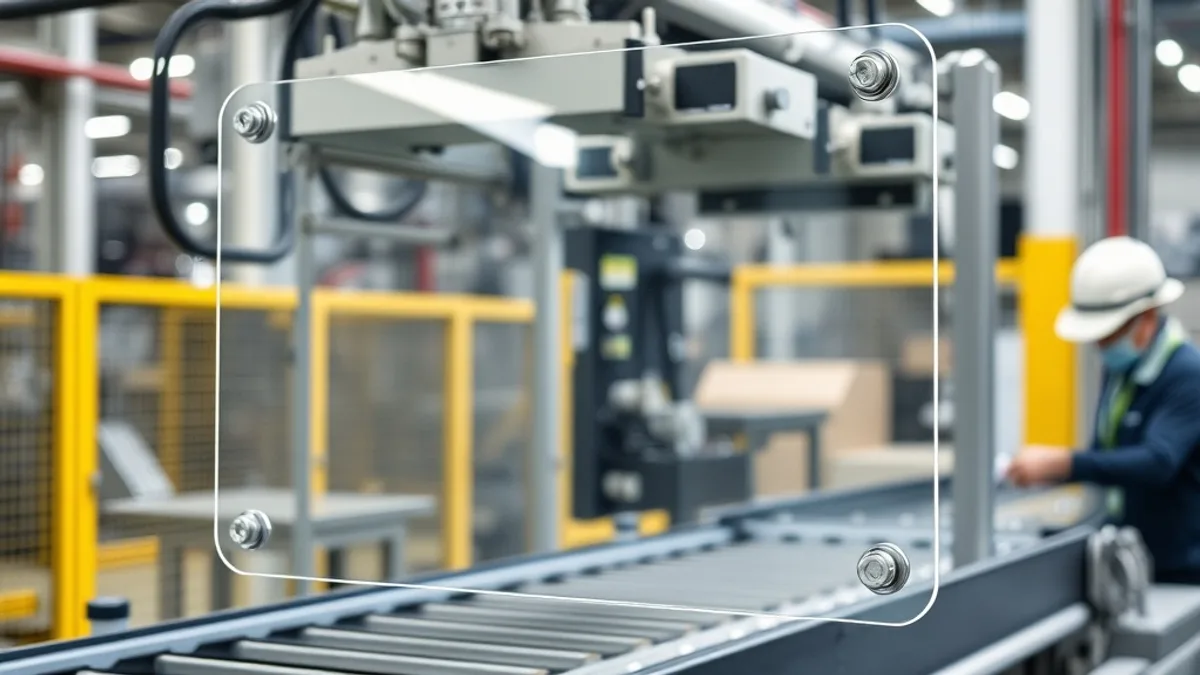
Clear polycarbonate safety guard panel installed on industrial machinery

Polycarbonate is the material of choice when both clarity and impact resistance are required. FIDAR System's solid clear PC sheets offer optical-grade transparency with exceptional toughness — they will bend before they break, making them safe for applications where glass would be dangerous.

Why Polycarbonate vs. Acrylic?

  • Impact resistance: up to 250× stronger than glass, 30× stronger than acrylic
  • Lighter weight than glass for equivalent structural performance
  • Can be cold-bent on site without heating equipment
  • Better fire rating than acrylic (self-extinguishing)
  • Wider temperature range: usable from -40°C to +120°C

Acrylic has better scratch resistance and optical clarity; polycarbonate wins on impact strength and fabrication flexibility.

Applications

  • Machine guards and CNC enclosures
  • Safety glazing and riot shields
  • Skylights and roof lights
  • Bus shelters and vandal-resistant glazing
  • Sneeze guards and protective barriers
  • Aquarium windows (for smaller tanks)

Fabrication Notes

Polycarbonate can be cut with circular saws, jigsaws, or laser cutters. It drills cleanly and can be cold-bent without cracking. For laser cutting, use lower power/higher speed settings than acrylic to avoid heat-induced yellowing at the cut edge. Always leave protective masking on until installation is complete.

Industrial Manufacturing

CNC Machine Guards & Industrial Safety Panels

Solid clear polycarbonate is the standard material for machine guard panels on CNC machining centres, lathes, presses, and robotic cells. The impact resistance (up to 250× vs. glass) means the panel survives chip impact and tool ejection events without shattering. 3mm and 4.5mm are most commonly used for guard panels.
Municipal & Transit Infrastructure

Bus Shelters & Transit Glazing

Polycarbonate is the preferred glazing material for bus shelters, transit station panels, and public infrastructure where vandal resistance is required. The material withstands impact and graffiti attempts better than glass or acrylic.

Commercial Interiors & Retail

Safety Sneeze Guards & Protective Barriers

Where extra impact resistance is required - such as in high-traffic retail environments or applications where the barrier may be struck - 3mm and 4.5mm polycarbonate is used instead of acrylic for sneeze guards and protective counter barriers.

Architecture & Construction

Skylights & Glazed Roof Panels

Polycarbonate solid sheets are used for residential and commercial skylight applications, roof glazing, and covered walkway canopy panels. The UV co-extruded layer on one side provides long-term protection against yellowing in outdoor exposure.

Aquatics & Vivarium

Small Aquarium Windows

For smaller aquarium and vivarium installations where occasional impact risk is present, 6mm and 9mm polycarbonate is used as window panels. It is lighter than equivalent glass and can be cold-bent for curved tank fronts.

How to Fabricate Polycarbonate Solid Clear Sheets

1

Identify UV Side

Polycarbonate sheets have a co-extruded UV-resistant layer on one side, typically marked on the masking film. For outdoor applications, orient the UV side to face the sun. Keep masking on throughout all fabrication steps.

2

Cut to Size

Use a circular saw with an 80T+ fine-tooth carbide blade or a jigsaw. PC cannot be reliably scored-and-snapped - always cut through. Feed at a moderate, steady rate - rushing causes the blade to melt the edge. A router with a straight bit also works well for accurate dimensional cuts.

3

Drill Holes

Use a standard twist drill or spade bit at low speed. Always back the cut with a scrap board to prevent exit-side chipping. For mounting holes, drill 1–2mm larger than the fastener diameter to allow for thermal expansion - PC expands and contracts more than glass.

4

Cold Bend (if required)

For curved canopy or barrel vault installations, PC can be cold-bent on-site by clamping into a curved frame. Do not exceed the minimum bend radius recommended for the thickness - 2mm sheet can bend to tighter radii than 9mm. Cold bending is a major advantage PC holds over acrylic, which requires heat to bend.

5

Install

Secure panels using PC-compatible structural silicone or mechanical fasteners with shoulder washers. Leave a 3–5mm expansion gap at all edges in framed systems. Do not use unplasticized PVC sealants, solvent-based sealants, or products containing naphthas on polycarbonate - they cause stress cracking.

Thickness Selection Guide

Polycarbonate Solid Clear Sheets thickness guide
ThicknessBest For
2mm (~0.08")Lightweight protective covers, thin machine guards, framing glazing
3mm (~1/8")Standard machine guards, glazing inserts, safety shields, sneeze guards
4.5mm (~3/16")Bus shelters, medium-duty safety glazing, vandal-resistant panels
6mm (~1/4")Heavy-duty machine guards, riot shields, security glazing, structural partitions
9mm (~3/8")High-security glazing, ballistic-resistance staging, heavy structural applications
Comparison between Polycarbonate Solid Clear Sheets and Cast Acrylic
PropertyPolycarbonate Solid Clear SheetsCast Acrylic
Impact resistanceUp to 250× vs. glass; ~30× vs. acrylic~10× vs. glass
Optical clarity~88% light transmission92% light transmission
Scratch resistanceLower - softer surfaceHigher - harder surface
Temperature range-40°C to +120°CUp to ~95°C heat deflection
Cold bendingCan be cold-bent without heating equipmentRequires heat (strip heater) to bend
FlammabilitySelf-extinguishing (UL94 V-2)Slow burning
UV protectionCo-extruded UV layer on one sideModerate UV resistance, no co-extruded layer
PriceHigher than equivalent acrylic thicknessLower cost at equivalent thicknesses

Polycarbonate (PC) and acrylic (PMMA) are both clear thermoplastics, but they have different performance profiles. Polycarbonate is up to 30× more impact-resistant than acrylic - it bends rather than shatters. Acrylic has better optical clarity (92% vs ~88% light transmission) and better scratch resistance. Polycarbonate operates across a wider temperature range (-40°C to +120°C) and is self-extinguishing. Acrylic laser-engraves more cleanly and is generally less expensive. Choose acrylic for displays, signage, and engraving; choose polycarbonate for safety, impact resistance, and outdoor glazing.

Yes. Solid polycarbonate can be cold-bent on-site without heating equipment. It will flex and hold a curve when clamped into a frame or support structure. This is not possible with acrylic, which requires heat to form. Cold bending is used for curved canopy panels, barrel vault roof lights, and curved partition panels.

FIDAR System's solid clear polycarbonate sheets have a co-extruded UV-resistant layer on one side only. When installing for outdoor applications, ensure the UV-protected side faces the sun (outward). The unprotected side, if exposed to UV long-term, may yellow over time.

Yes. Polycarbonate is widely used for machine guard panels across Canadian manufacturing facilities. The self-extinguishing rating (UL94 V-2) and high impact resistance meet the requirements for most machine guarding applications under Ontario's industrial health and safety regulations. Consult your safety engineer for specific compliance requirements.

Yes. FIDAR System ships from our North York warehouse to addresses across Canada. For large panel quantities or freight orders, contact us for a shipping quote.