Material
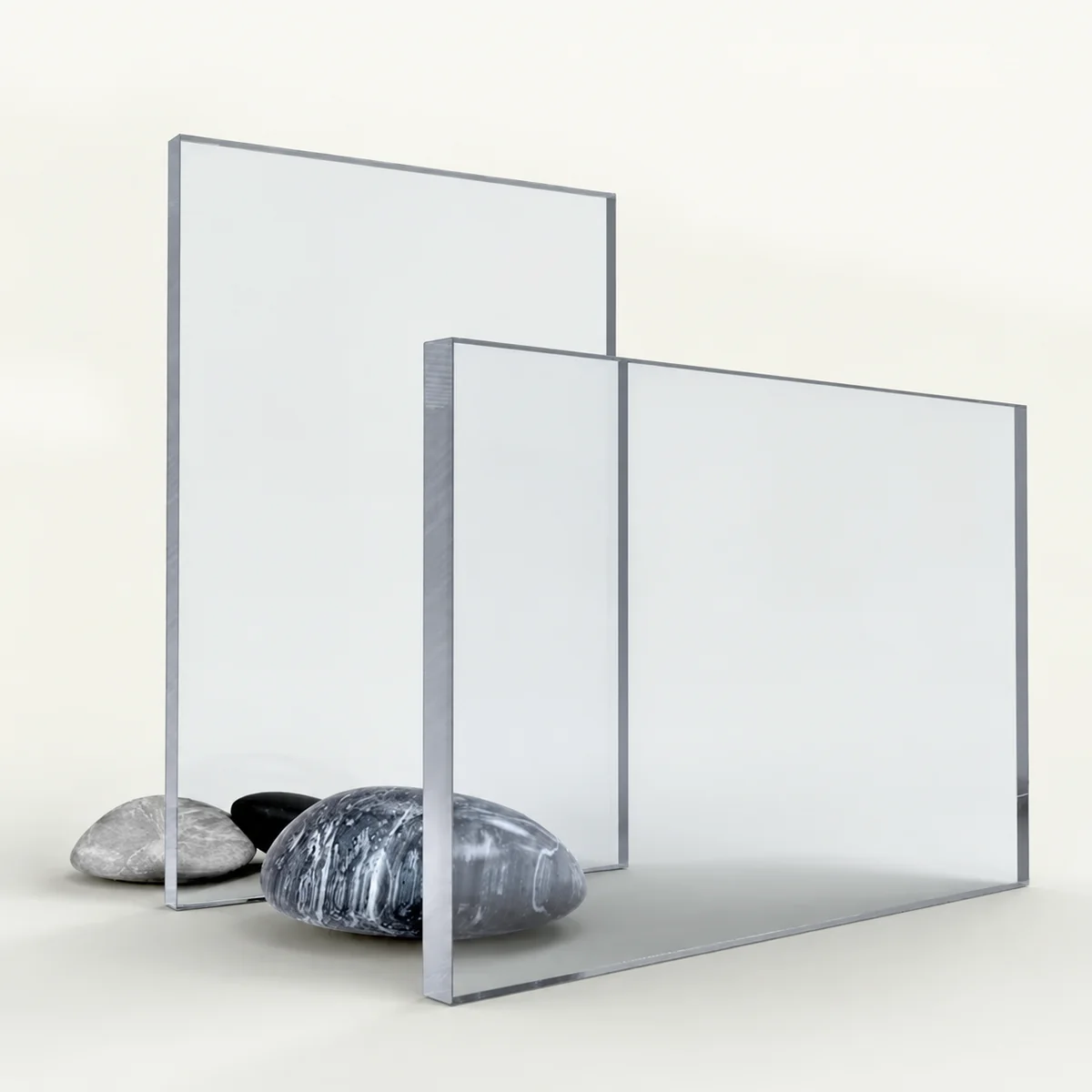
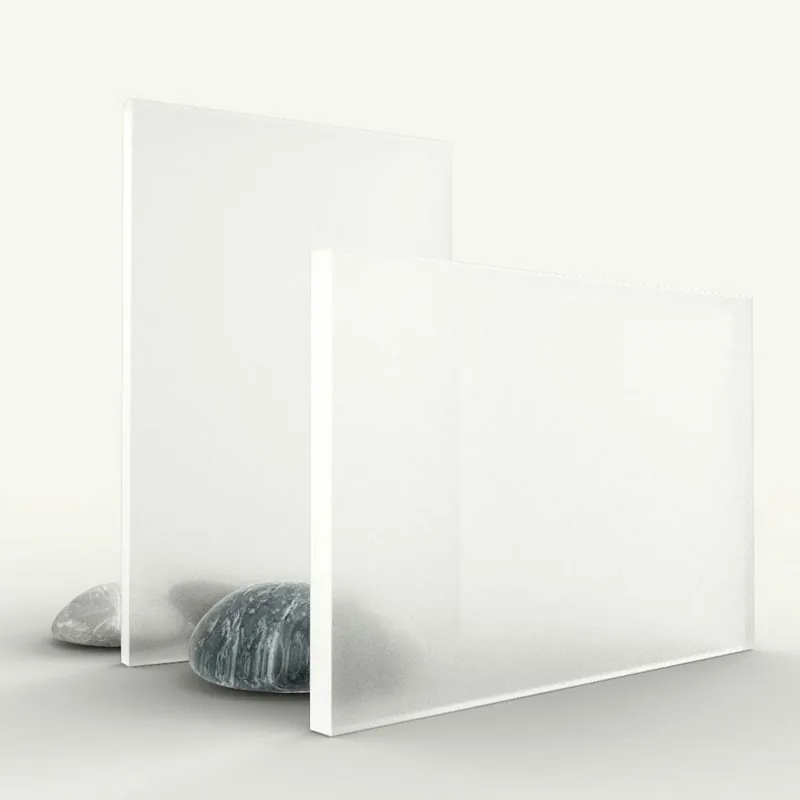
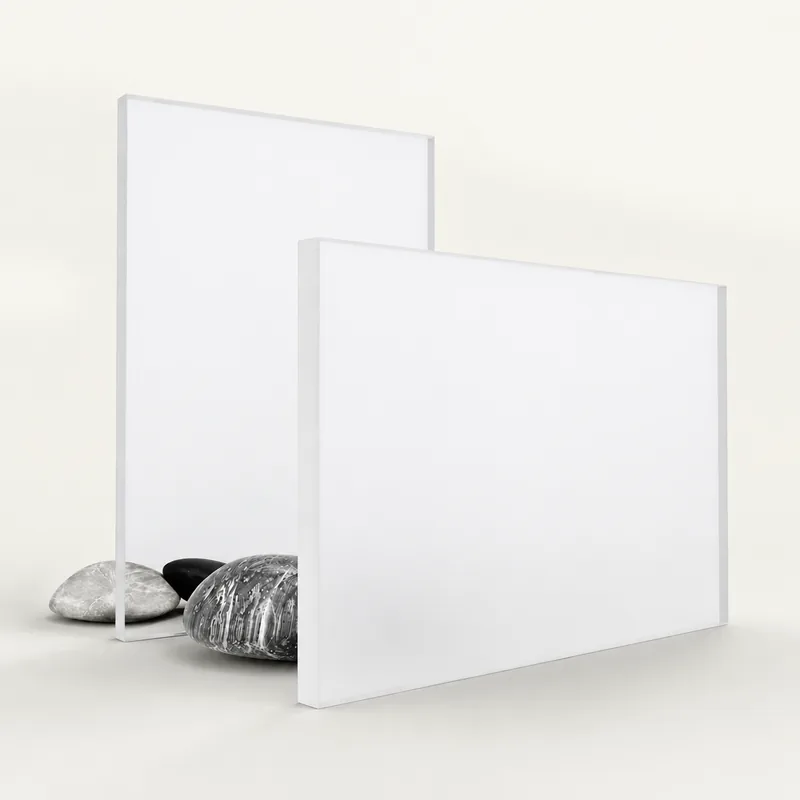
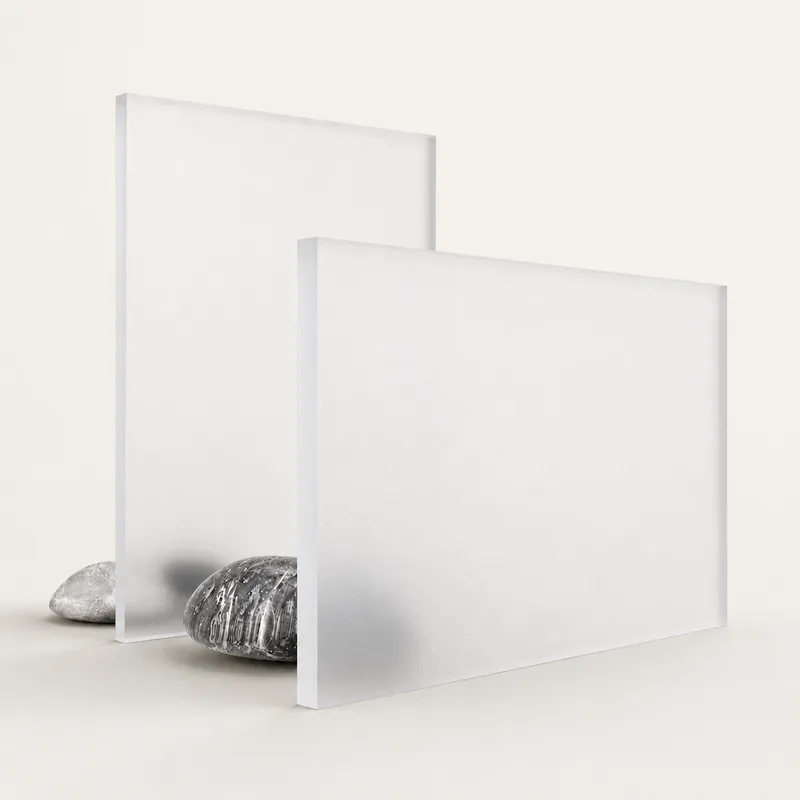
Diffused white polycarbonate (PC)
Type / Finish
Diffused / White
Diffusion
Co-extruded — permanent, non-delaminating
Light Transmission
~50–60% (varies by thickness)
Impact Resistance
High (PC base material)
Temperature Range
-40°C to +120°C
Standard Sheet Size
4×8 ft
Thickness Range
2mm – 4.5mm
Diffused white polycarbonate panels backlit in a retail display lightbox

FIDAR System's diffused white polycarbonate sheets are engineered to distribute LED light evenly across the panel surface, eliminating hot spots and producing a clean, uniform glow. The white pigmented diffuser film is co-extruded into the polycarbonate, making it permanent and scratch-resistant.

Why Diffused PC vs. Frosted Acrylic?

  • Polycarbonate's impact resistance protects the panel if a sign is struck
  • Better heat resistance — suitable closer to high-output LED strips
  • Co-extruded diffuser layer won't peel or delaminate over time
  • Consistent diffusion from sheet to sheet for multi-panel installations

Applications

  • LED backlit sign faces and light boxes
  • Architectural ceiling panels and troffer diffusers
  • Retail display lighting panels
  • Menu board backlighting
  • Photography and video softboxes

Fabrication Notes

Cut with a circular saw, jigsaw, or laser cutter. The diffused side is typically installed facing outward (toward the viewer). Maintain a minimum 20–30mm air gap between the LED strip and the panel for optimal diffusion — placing LEDs too close results in visible hot spots even through the diffuser.

Signage & Graphics

LED Backlit Sign Faces & Cabinet Signs

Diffused white polycarbonate is the preferred face material for LED-backlit cabinet signs and light box signs in commercial signage. The co-extruded diffuser distributes LED point sources evenly across the face panel, preventing visible hotspots. The PC base provides impact resistance for outdoor sign faces.
Architecture & Interior Design

Architectural LED Ceiling Panels

Commercial interior designers and lighting contractors use diffused white polycarbonate for suspended LED ceiling panel systems, replacing fluorescent troffer diffusers with LED-compatible polycarbonate panels. The 4.5mm thickness provides the rigidity required for larger panel formats.

Food Service & Hospitality

Menu Board Backlighting

Quick-service restaurants, coffee shops, and food courts use diffused white polycarbonate for LED-backlit menu board faces. The consistent diffusion ensures even brightness across the menu board surface without visible LED strip lines.

Retail & Visual Merchandising

Retail Display Lighting Panels

Retail display fabricators use diffused white polycarbonate for illuminated display case backs, shelf backlighting panels, and product highlight lighting elements in in-store visual merchandising systems.

Photography & Media Production

Photography & Video Softboxes

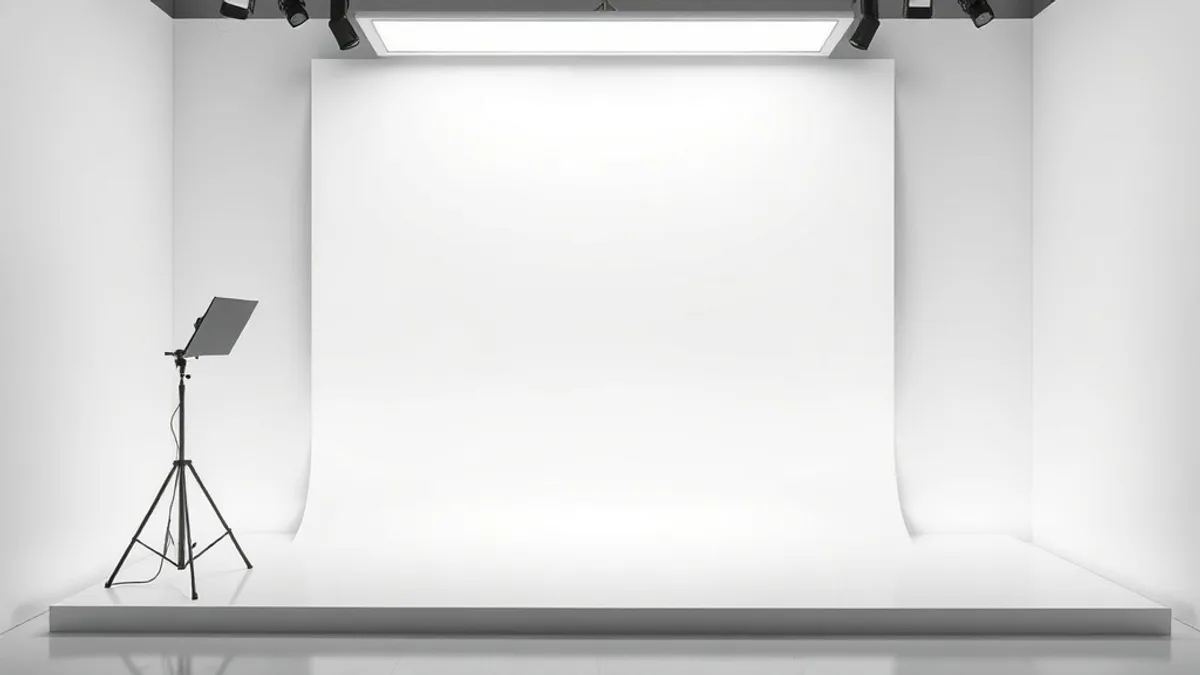
Studio photographers and videographers use diffused white polycarbonate as the front diffuser panel in DIY softboxes and large-format panel lights - the even, scatter-free diffusion produces soft, wrap-around light with minimal directional shadow.

Signage & Wayfinding

Commercial Wayfinding & Directional Signs

The impact resistance and temperature range (-40°C to +120°C) of diffused white polycarbonate make it suitable for outdoor-grade LED-backlit directional signs, exit signs, and wayfinding panels in parking garages and building exteriors - environments where acrylic would be too brittle.

How to Fabricate Diffused White Polycarbonate Sheets

1

Measure & Mark

Mark cut lines on the protective masking film with a fine-tip marker. Keep masking on both sides during all fabrication steps to prevent scratching the diffuser surface.

2

Saw or Cut

Use a circular saw with a fine-tooth blade or a jigsaw for straight and curved cuts. PC does not score-and-snap reliably - always cut through cleanly. Laser cutting is possible but requires proper PC-rated fume extraction. Run moderate to slow feed rate to prevent melting at the cut edge.

3

Drill Mounting Holes

Use a standard twist drill bit at low speed. For clean holes without cracking, drill into a backing board and use light pressure. Slightly oversize the hole diameter to allow for PC's thermal expansion - especially important in sign cabinet applications near warm LED sources.

4

Install with Air Gap

Mount the panel maintaining a minimum 20–30mm air gap from the LED strip for even diffusion. Secure at the perimeter using panel framing or standoffs - avoid centre fasteners that could create visible pressure marks on the diffuser face.

5

Clean the Face

Remove masking at installation. Clean with a soft cloth and mild soapy water. Do not use solvent cleaners or abrasive pads on the diffuser surface - the co-extruded white layer is durable but can be marked by harsh chemicals.

Thickness Selection Guide

Diffused White Polycarbonate Sheets thickness guide
ThicknessBest For
2mm (~0.08")Slim-profile LED sign faces, thin backlit panels, low-profile display lighting
3mm (~1/8")Standard LED light box faces, architectural LED panel diffusers, backlit menu boards
4.5mm (~3/16")Larger sign cabinet faces, panels requiring more rigidity, wide-span LED sign faces
Comparison between Diffused White Polycarbonate Sheets and Frosted Acrylic (P95)
PropertyDiffused White Polycarbonate SheetsFrosted Acrylic (P95)
Diffusion typeCo-extruded white diffuser - permanent, non-peelingSurface-frosted - applied matte finish
Impact resistanceHigh (PC base - flexible, won't shatter)Standard (acrylic - brittle under sharp impact)
Temperature range-40°C to +120°CUp to ~95°C heat deflection
FlammabilitySelf-extinguishing (PC)Slow burning (PMMA)
Light transmission~50–60% (designed for diffusion)~70% (less diffusion, more transmission)
PriceHigher per sheetLower per sheet

Diffused white polycarbonate has a co-extruded white diffuser layer built into the polycarbonate sheet - it is permanent and cannot peel or delaminate. Frosted acrylic (P95) has a surface-frosted matte finish applied during manufacturing and transmits more light (~70%) with less diffusion. For LED sign faces and lighting panels where long-term reliability and impact resistance are important, diffused polycarbonate is the professional choice. For partition panels and decorative frosted glazing, P95 frosted acrylic is typically preferred.

To achieve even diffusion without visible hotspots, a minimum air gap of 20–30mm between the LED strip and the diffused polycarbonate panel is recommended. For very high-output LED strips, increase the distance or reduce LED density to achieve uniformity. The exact distance depends on LED spacing, power, and the required uniformity level for the application.

FIDAR System stocks diffused white polycarbonate in three thicknesses: 2mm, 3mm, and 4.5mm, all on 4×8 ft sheets, priced from $89.41 to $131.41 CAD per sheet.

Yes - polycarbonate can be laser-cut with a CO₂ laser, but it requires different settings than acrylic. PC tends to produce a more yellowish tinge at cut edges and generates acrid fumes - ensure proper ventilation and use a fume extractor rated for PVC/PC gases. For clean-edge applications, a circular saw or jigsaw may be preferable. Scoring and snapping does not work reliably for PC - always cut through cleanly.

Yes. The white diffuser in this polycarbonate is neutral - it will diffuse both warm white (2700–3000K) and cool white (5000–6500K) LEDs without significantly altering the colour temperature. The end result colour depends on the LED strip, not the diffuser material. This consistency makes it suitable for matching panels in multi-zone lighting installations.

Yes. We ship diffused white polycarbonate sheets from our North York, Ontario warehouse to all Canadian provinces. Smaller orders (single sheets) can ship via courier. Larger orders are quoted on freight. Contact us for a shipping estimate before placing a bulk order.