

Polycarbonate
Polycarbonates
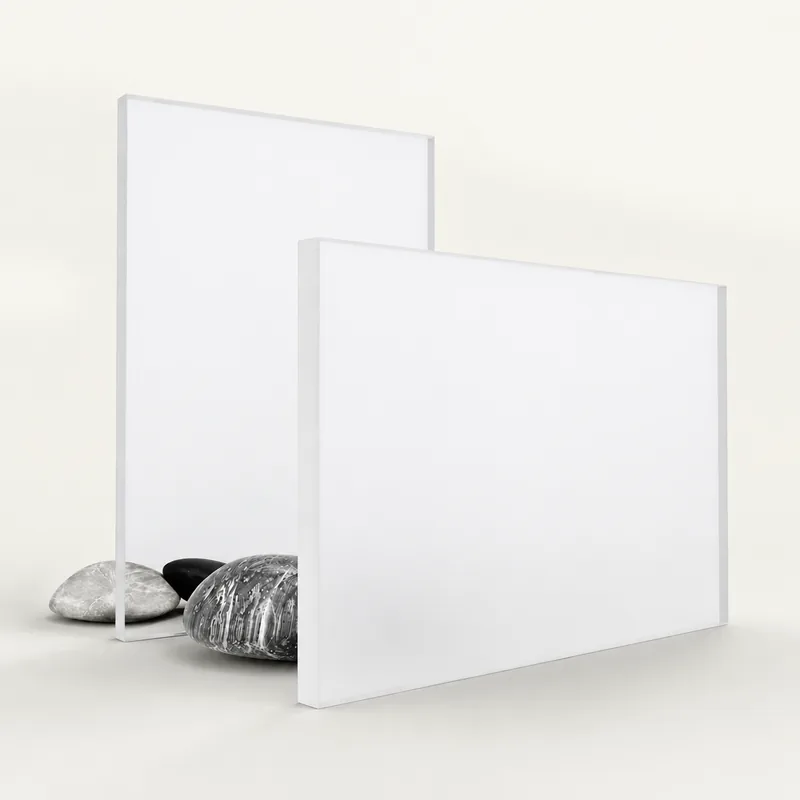
Diffused White Polycarbonate Sheets
Even LED diffusion, white PC for backlit signs and light panels
From $98.35 CADQuote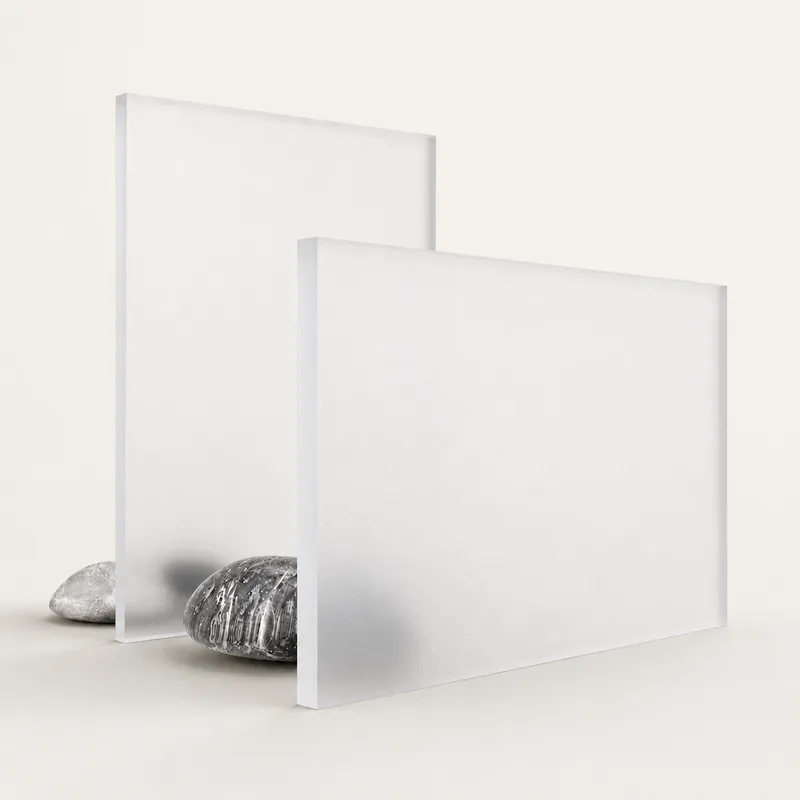
Polycarbonates
Single-sided Frosted Polycarbonate Sheets
Frosted / white matte PC, privacy and diffusion in one panel
From $98.35 CADQuote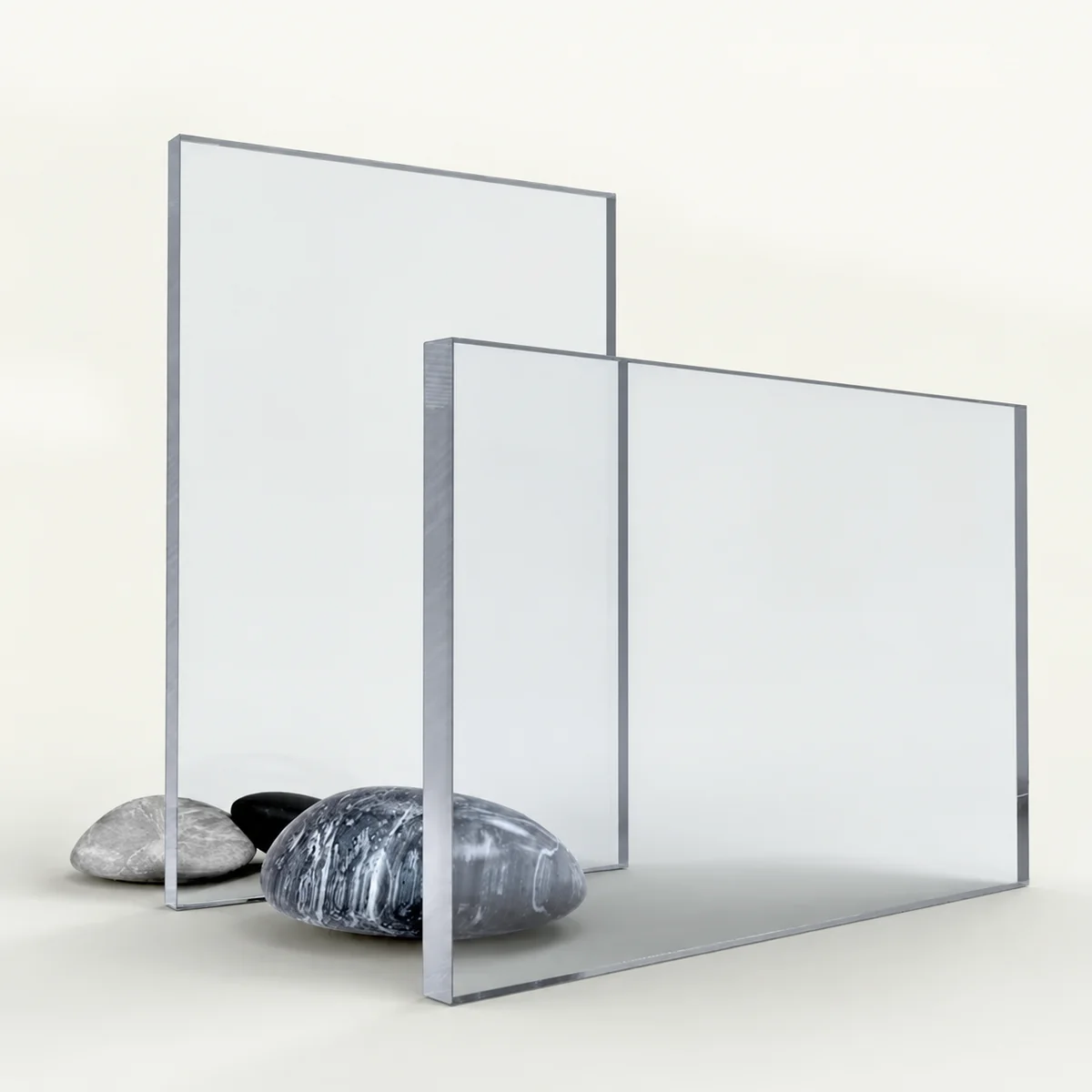
Polycarbonates
Polycarbonate Solid Clear Sheets
Impact-resistant clear PC, 2mm to 9mm, 4×8 ft
From $90.65 CADQuote
About Polycarbonate
Polycarbonate (PC) is a thermoplastic that combines optical clarity with exceptional impact resistance - it is up to 250 times more impact-resistant than glass and approximately 30 times more impact-resistant than acrylic of equivalent thickness. This combination of properties makes it the material of choice when transparency and safety must coexist: machine guards, bus shelters, safety glazing, and architectural skylight panels.
FIDAR System stocks three polycarbonate variants: solid clear (structural, optical-grade PC), diffused white (co-extruded LED diffuser panel), and single-sided frosted (privacy and diffusion panel). Each serves a distinct application area, though all share the core properties of polycarbonate - impact resistance, a wide temperature range (-40°C to +120°C), and self-extinguishing fire behaviour (UL94 V-2).
Polycarbonate vs. Acrylic - When to Choose PC
The decision between polycarbonate and acrylic usually comes down to impact requirements. If the panel will be subject to mechanical impact - machine chips, thrown objects, vehicle impact zones, vandalism - polycarbonate is the correct choice. If the application is primarily decorative, display-oriented, or involves laser engraving, acrylic is usually preferred because of its higher optical clarity (92% vs ~88%), better scratch resistance, and lower cost. The ability to cold-bend polycarbonate without heating is also an advantage in curved canopy and glazing applications.
UV Resistance
FIDAR System's solid clear polycarbonate sheets include a co-extruded UV-resistant layer on one side. This layer is critical for outdoor applications - standard polycarbonate without UV protection yellows and becomes brittle over time in direct sunlight. Always install the UV-protected side facing the sun.
Applications & Use Cases
Machine Guards & Safety Enclosures
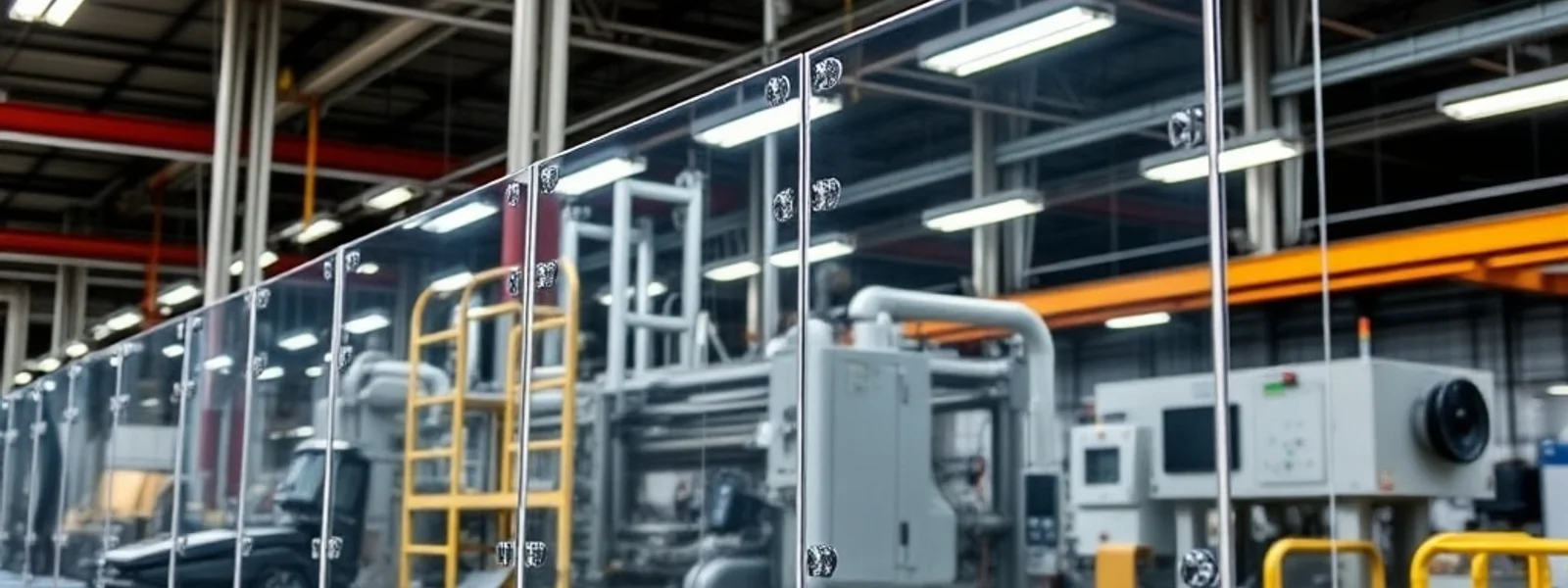
Solid clear polycarbonate is the standard material for machine guard panels on CNC equipment, lathes, presses, and automated lines. The impact resistance protects against chip ejection and tool failures while maintaining visibility into the machine.
LED Backlit Sign Faces
Diffused white polycarbonate is the preferred material for LED-backlit sign faces and light box panels in commercial signage - the co-extruded diffuser produces consistent even illumination without visible hotspots.
Architectural Skylights & Canopies
Solid clear polycarbonate (with UV layer) is used for residential and commercial skylight glazing, covered walkway canopies, and glazed roof panels - offering lighter weight and better safety than glass.
Bus Shelters & Vandal-Resistant Glazing
Polycarbonate's combination of optical clarity and impact resistance makes it standard for transit infrastructure, bus shelter glazing, and any public installation where vandal resistance is a specification requirement.
Material Properties
| Property | Value | Notes |
|---|---|---|
| Material | Solid polycarbonate (PC) | |
| Light Transmission (clear) | ~88% | |
| Impact Resistance | Up to 250× vs. glass | |
| Temperature Range | -40°C to +120°C | |
| Density | 1.20 g/cm³ | |
| Flammability | Self-extinguishing (UL94 V-2) | |
| UV Layer | Co-extruded, one side (solid clear) | |
| Standard Sheet Size | 4×8 ft |