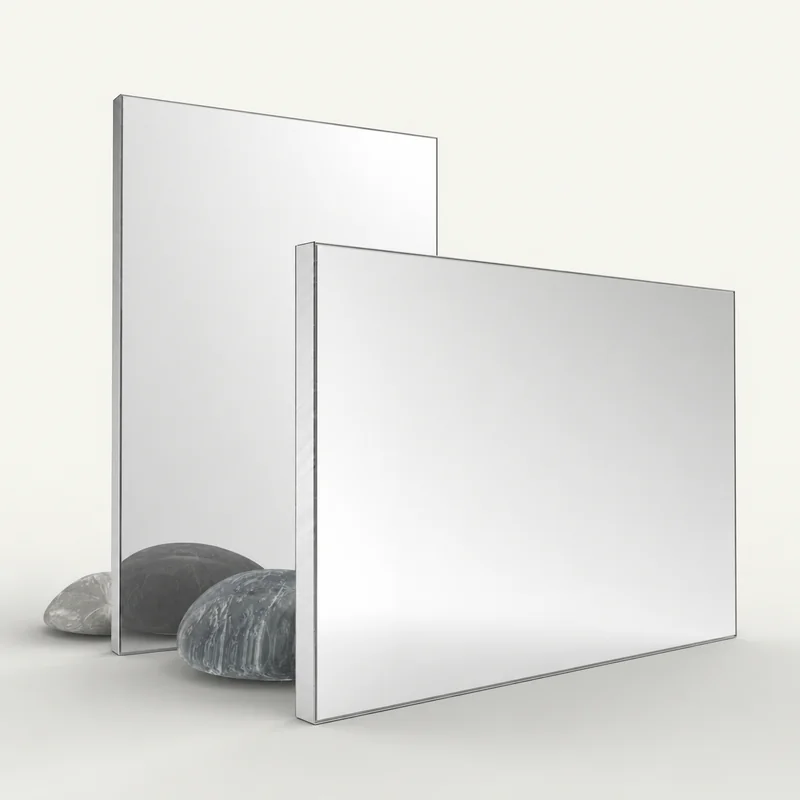
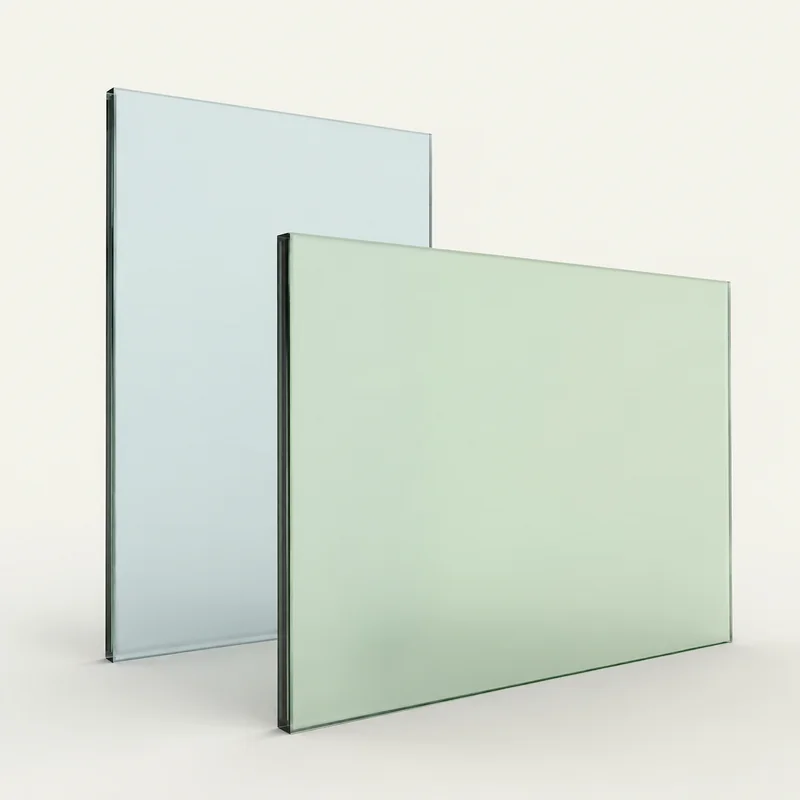
35 Alcosheet chart colours, PVDF, fire resistant core, 1 to 6mm, widths to 2000mm, lengths to 8000mm, by quote
ACM aluminum composite cladding panels on a commercial building facade
FIDAR System's ACM panels are Alcosheet, our own brand: two thin aluminum face sheets bonded to a polyethylene core, creating a rigid, lightweight composite sheet. Available in 8 face/back combinations for maximum design flexibility. All panels are 3mm total thickness on 4×8 ft sheets.
Available Combinations
White Matte + White Matte (0.2mm face), fully white on both sides; standard signage substrate
White Matte + White Gloss (0.3mm face), matte face for print, gloss back for mounting
White Matte + Metallic Silver (0.2mm face), white print face with silver interior back
White Matte + Pastel Green (0.2mm face), white print face with pastel green interior back
White Matte + Brushed Silver (0.2mm face), white print face with brushed silver back
Black Matte + Black Gloss (0.3mm face), fully black both sides; premium signage and interior
Black Matte + Sea Blue (0.2mm face), black face with sea blue back
Mirror Silver (0.3mm face), mirror-finish aluminum on face side
More Colours, Sizes and Coatings
The eight combinations above are what we hold in stock. The rest of the Alcosheet range is made to order and quoted: 35 coded colours including metallics, gloss colours, oak and walnut veneer, brushed gold and mirror, any RAL colour, PVDF coating for facades, a fire resistant core, thicknesses from 1 to 6mm, widths up to 2000mm and lengths up to 8000mm. See the Alcosheet colour chart and technical data.
Applications
Exterior and interior building cladding
Flat-cut sign panels and routed letter returns
Retail store fronts and fascia panels
Trade show displays and exhibit walls
Vehicle graphics substrates
Interior wall panels and elevator cladding
Fabrication Notes
ACM panels can be cut with a circular saw (carbide blade), router, or shear. V-grooving allows crisp bends without breaking the core. Do not use a laser cutter, the aluminum face generates reflective damage. Edges can be finished with edge trim or folded returns for a clean appearance.
Architecture & Construction
Exterior Building Cladding & Facades
ACM panels are a standard material in modern commercial building facades and exterior cladding systems. The lightweight composite structure allows large panel sizes to be installed at a fraction of the weight of solid aluminum or stone, with a consistent painted finish that is weather-resistant. Our stocked sheets are polyester coated, which suits signs, fascia and interiors; for a facade that has to hold its colour for many years, ask for Alcosheet in PVDF, made to order.
Signage Fabrication
Flat-Cut Sign Panels & Routed Letter Returns
Sign shops across Canada use ACM as the primary substrate for flat-cut logo panels, building signs, and the side returns of illuminated channel letter signs. The white matte face variants (WM+WM and WM+WG) are the most commonly used in the signage industry for print and vinyl-applied sign faces.
Retail Construction
Retail Storefront Fascia Panels
Retail interior contractors and storefront fit-out companies use ACM panels for fascia cladding, entrance canopy soffits, and brand-colour store exterior elements. The panels can be V-grooved and bent to follow reveals and transitions without additional framing.
Events & Exhibitions
Trade Show Displays & Exhibition Walls
Trade show display builders use ACM panels for modular exhibition walls, booth structures, and branded display systems. The lightweight composite makes large-format displays practical to ship and assemble, and the range of face finishes provides design flexibility.
Commercial Interiors
Interior Wall Panels & Elevator Cladding
Commercial interior contractors use ACM for elevator cladding, lobby wall panels, and high-traffic interior surface applications. The Black Matte + Black Gloss and Mirror Silver variants are particularly used in premium interior spaces.
How to Fabricate ACM Panels: Aluminum Composite
1
Measure & Mark
Mark cut lines on the protective masking film. ACM panels have a matte paint face - pencil marks show well. For V-groove bend lines, measure from both ends and mark clearly before setting up the router.
2
Saw to Size
Cut ACM panels with a circular saw using a fine-tooth carbide blade (80T+). Keep the blade cutting from the face side to minimize face sheet chipping. A CNC router with a compression spiral bit also produces clean cuts. Do NOT use a laser cutter - the aluminum face reflects the laser beam and will damage the machine optics.
3
V-Groove for Bends
To create a clean 90° fold, route a V-groove through the polyethylene core using a V-groove router bit, leaving the back face sheet intact. The depth of the groove determines the bend angle. After routing, fold along the groove line - the panel will bend cleanly to the desired angle without cracking.
4
Fold & Fasten Returns
After V-grooving, fold the panel to the required angle and secure the return with rivets, screws, or panel tape applied to the internal polyethylene face. For sign returns, pop rivets at 150-200mm centres provide adequate strength.
5
Apply Graphics & Install
For vinyl graphics, clean the face with IPA before application. ACM's smooth factory-painted surface accepts pressure-sensitive vinyl films and direct UV printing. For building cladding, fasten to the sub-frame with concealed rivets or aluminum extrusion clips per the cladding system specification. Hang every panel with the arrows on its film pointing the same way, and peel the film within 45 days of installation.
Comparison between ACM Panels: Aluminum Composite and Solid Aluminum Sheet
Property
ACM Panels: Aluminum Composite
Solid Aluminum Sheet
Weight
3.8 to 4.6 kg/m² on the data sheet; our stock weighs about 3.6
~5.4 kg/m² at 2mm, ~8.1 at 3mm
Rigidity
High panel stiffness for 3mm composite
Heavier; rigid through thickness
Surface options
8 face/back combinations in stock, 35 Alcosheet chart colours to order
Limited colour options unless painted
Fabrication
V-grooving for clean bends, circular saw, router
Requires metalworking tools - shear, brake press
Price
$63.18-$140.18 CAD per 4×8 ft panel
Higher for equivalent panel dimensions
Laser cutting
Not suitable - aluminum reflects laser beam
Not suitable for standard CO2 laser
ACM stands for Aluminum Composite Material. It is a sandwich panel consisting of two thin aluminum face sheets (0.2mm or 0.3mm) bonded to a solid polyethylene core. The result is a rigid, flat panel that is significantly lighter than solid aluminum of equivalent panel size. The face sheets are factory-painted in a range of finishes - matte, gloss, metallic, brushed, or mirror.
Yes. ACM panels can be bent using V-grooving - a routing technique that removes the polyethylene core along a fold line, allowing the face sheets to be bent cleanly to 90° and other angles without breaking. This is how sign shop fabricators create letter returns and clean reveal transitions on building cladding. Gentle curves need no groove: the Alcosheet data sheet gives a minimum bending radius of 500mm (ASTM D790), so a 3mm sheet can be rolled round a column about a metre across. Anything tighter than that, or a folded corner, needs the groove first.
Yes. The Alcosheet data sheet gives an outdoor temperature resistance of -40 to +60°C (ASTM D1654), so a Canadian winter is within its range. Our stocked sheets are polyester coated, which is right for signs, fascia and soffits; a facade that has to hold its colour in full sun for many years should be PVDF, which we quote to order. Fire rating is a separate question: the stocked core is polyethylene, so for an occupied building facade in Canada check the building code and ask about a fire resistant core.
ACM panels at FIDAR System are available with 0.2mm and 0.3mm face sheet thicknesses depending on the colour combination. The 0.3mm face variants (White Matte + White Gloss, Black Matte + Black Gloss, Mirror Silver) have a slightly heavier, more rigid face - preferred for applications where the face will be handled frequently or needs to resist denting.
No. Laser cutting is not suitable for ACM panels. The aluminum face sheets reflect the CO2 laser beam, which can damage the laser optics. ACM should be cut with a circular saw (fine-tooth carbide blade), jigsaw, or CNC router. Shearing is also possible for straight cuts.
A supplier. We import aluminum composite panels under our own label, Alcosheet, hold them in stock in North York, Ontario, and cut them to size on our own CNC router. We do not roll the aluminum or bond the polyethylene core, and neither do most of the companies that come back when you search for aluminum composite panel manufacturers in Canada. ACM is pressed on a small number of continuous bond lines, so nearly every Canadian source is a stocking distributor. What separates one from another is what is genuinely on the floor, the skin thickness behind each finish, and whether they will cut the sheet for you.
Yes. Our stock sits at Unit 29, 601 Magnetic Drive in North York, inside the City of Toronto, and pickup is free. Inside our local 30 km zone, which covers most of the GTA, our own truck delivers for a flat $29.90. It goes out to 50 km at a distance rate, and beyond that we ship anywhere in Canada. If you need a sheet today, phone 416-857-7555 before you drive over and we will have it pulled and ready at the counter.
Four things. Skin thickness, because 0.2mm and 0.3mm rout and dent differently. Core type, because a plain polyethylene core and a fire retardant core are not interchangeable on an occupied building. Real stock rather than a catalogue listing, because a finish that has to be imported is a long wait dressed up as a product page. And whether they cut, because a supplier who only sells full sheets leaves you to find a router. Ours are 0.2mm and 0.3mm skins, polyethylene core, eight finishes held in North York, cut on site.
Both. The prices on this page are what a single sheet costs, and they do not change if you only need one. For pallet quantities, a standing monthly order or a project take off, send the quantity through the quote form and we will come back with a price for that volume. We supply sign shops, fascia and cladding contractors, fabricators and display builders across Ontario on that basis.
Alcosheet, our own brand of aluminum composite panel. The sheets are made to our order and arrive with the Alcosheet name printed on the protective film and the carton. The colour chart, the made to order range and the full technical data sheet are on the Alcosheet page.
Yes, on a quote. The Alcosheet chart has 35 coded colours, from metallic silvers, golds and copper to gloss reds and blues, oak and walnut veneer, brushed gold and mirror. Any RAL colour or a match to your sample can be made as well, in 1 to 6mm, widths up to 2000mm and lengths up to 8000mm. Send the code, size and quantity and we come back with a price and a lead time.
Within 45 days of installation, as the Alcosheet carton says. Left on longer in sun and heat, the adhesive can stick to the paint and the film tears instead of peeling. Before you take it off, check the arrows printed on it: every panel on a wall should go up with its arrows pointing the same way, or metallic and brushed faces can look a shade different from panel to panel.
Yes, on the CNC router. ACM cannot be laser cut, because the aluminum face reflects the beam and damages the optics, so every cut ACM order runs on the router with a 6.35mm bit. You can price a cut piece yourself in the cut to size configurator before you order anything. We cut flat parts: panels, fascia blanks, letter backs and sign faces. V grooving for folded returns is a step you run yourself, and the fabrication tab above describes how.
Aluminum composite panel supply, from stock in North York
We are an aluminum composite panel supplier rather than a panel manufacturer, and it is worth saying plainly, because it changes what you should ask us. The eight finishes above sit on racks at our unit on Magnetic Drive in North York. We sell them by the single sheet, we cut them on our own CNC router, and they are ready for same week pickup or delivery across the GTA. Nobody here rolls aluminum or bonds a core.
So if you run a sign shop in Scarborough, or you are chasing a fascia deadline downtown, the question that actually matters is not who pressed the panel. It is whether anyone near you has that finish on the floor, what a 4x8 sheet costs before you build a quote around it, and whether someone will cut it before you collect. This section answers those three.
Finishes in stock
7 of 8
From, per sq ft
$1.97
Sheet size
4×8 ft
Swipe the table sideways for every column
ACM Panels: Aluminum Composite: every finish held in stock, with the price per sheet and per square foot
Finish
Face
Per sheet
Per sq ft
Stock
White Matte + Pastel GreenWM+PG
0.2mm
$63.18
$1.97
In stock
White Matte + Metallic SilverWM+MS
0.2mm
$63.18
$1.97
In stock
Black Matte + Sea BlueBM+SB
0.2mm
$63.18
$1.97
In stock
White Matte + White MatteWM+WM
0.2mm
$63.18
$1.97
Ask
White Matte + Brushed SilverWM+BS
0.2mm
$74.18
$2.32
In stock
Black Matte + Black GlossBM+BG
0.3mm
$85.18
$2.66
In stock
White Matte + White GlossWM+WG
0.3mm
$85.18
$2.66
In stock
Mirror SilverMR-SLV
0.3mm
$140.18
$4.38
In stock
Every finish we hold, priced by the sheet and by the square foot. Both columns are worked out from the same catalogue the checkout charges against, so the figure you plan around and the figure you pay are the same number.
Supplier, distributor or manufacturer
Search for aluminum composite panel manufacturers in Canada and most of what comes back is distributors. That is not anyone being slippery, it is the shape of the industry. ACM is pressed on continuous bond lines that run a few hundred metres end to end, there are not many of them, and almost nobody you can telephone in Ontario owns one. We hold imported stock, and so does very nearly every other aluminum composite sheet supplier you will ring today.
Which is why the useful questions are about the stock and not the badge. How thick are the aluminum skins, because 0.2mm and 0.3mm behave differently under a router bit and under a thumb. What is the core made of, because that decides where the panel is allowed to go on an occupied building. And what is really in the building this week, as opposed to what the catalogue lists.
Our answers, in that order. The panels are Alcosheet, our own label, made to our order. Skins are 0.2mm or 0.3mm, and the face column above tells you which one comes with each finish. The stocked core is polyethylene, not a fire retardant grade. Fire rated core can be pre-ordered for a facade job, and your designer names which one the wall needs. And the stock column reads from the same inventory the shop sells against, so if it says in stock, it is on the rack.
Sign shops and print houses
White matte is the default face for flat cut sign panels, channel letter returns and anything heading under a UV flatbed or a vinyl roll. It is the finish that moves fastest here, which is why three of the four cheapest sheets in the table carry a white matte face.
Cladding and fascia contractors
Storefront fascia, canopy soffits, column wraps and reveal details. ACM goes up light, stays flat across a long run, and V grooves into a clean fold instead of needing a brake press. We supply the sheet, and we also design and install cladding ourselves, from a single storefront to a rainscreen facade.
Elevator cab linings, lobby panels, washroom partitions, and anywhere a painted surface has to survive trolleys and shoulders. Black matte and the mirror finish do most of the work in interior specifications.
Exhibit and display builders
Booth walls and modular display systems, where a panel has to ship across the country, survive a build, and still look new under stand lighting. A 4x8 sheet weighs a fraction of the same panel in solid aluminum.
What we do
Sell by the single sheet or by the pallet, at the prices printed on this page
Cut to size on the CNC router, from this same stock, priced online before you commit
Hold all eight finishes in 4x8 ft, so a repeat order in six months matches the first one
Quote the rest of the Alcosheet range: 35 chart colours, PVDF, fire resistant core, 1 to 6mm, widths to 2000mm, lengths to 8000mm
Deliver on our own truck within 50 km of North York, or ship anywhere in Canada
Answer a quote request the same business day during business hours
Design and install ACM cladding: storefront fascia, soffits, column wraps and rainscreen facades
What we do not do
We stock, cut and install, but some parts of a job belong to someone else. Being clear about it here saves everyone a phone call:
We do not manufacture the panel. We import it, hold it, and cut it
No laser. Aluminum reflects the beam and damages the optics, so ACM runs on the CNC router and nothing else
No sign off. We do not certify fire performance or structural capacity. That belongs to your specifier and the building code
3mm in stock. One thickness, polyethylene core, eight finishes on the rack. Fire rated core is pre-order only, never held in stock
Getting a price
Sheet prices are on this page and they are the prices we charge. For a cut list, a pallet quantity, or a finish you cannot see above, send it through the quote form and you will have an answer the same business day.
Stock is at Unit 29, 601 Magnetic Drive, North York, Ontario M3J 3J2, and pickup is free. Call us if you would rather talk it through than type it out.
Every ACM panel we sell is Alcosheet, our own brand. Below is the chart code on each side of the stocked sheets, then the colours made to order. Those are quoted, in 3 mm or any thickness from 1 to 6 mm, widths to 2000 mm and lengths to 8,000 mm.
Need a custom size, bulk pricing, or a different material altogether? Tell us what you need - we'll get back to you the same business day.
Same-day response during business hours
No minimum order on most lines
Local delivery from $29.90 · Free pickup
Composites
ACM Panels: Aluminum Composite
3mm Alcosheet aluminum composite material (ACM) panels in 8 face/back colour combinations. All 4×8 ft. Includes white matte, brushed silver, metallic silver, pastel green, sea blue, black matte, and mirror silver configurations.
>
Color / FinishBlack Matte + Black Gloss
Sheet Size4×8 ft
Price per sheet
$85.18CAD
SKU
24WM0719-256-ACM-YT-G024+YT-Black/Blac-0.3-3
In stock - ready to ship
Same-day quote
Local delivery from $29.90
Free warehouse pickup
Request a Quote
Need a custom size, bulk pricing, or a different material altogether? Tell us what you need - we'll get back to you the same business day.



 01
01 03
03 04
04 05
05 06
06 07
07 08
08 09
09 20
20 22
22 23
23 33
33 66
66 10
10 11
11 12
12 13
13 14
14 G3020
G3020 G1023
G1023 G5002
G5002 G83024
 G1015
G1015 067
067 77319
77319 WD01
WD01 WD02
WD02 LS02
LS02