

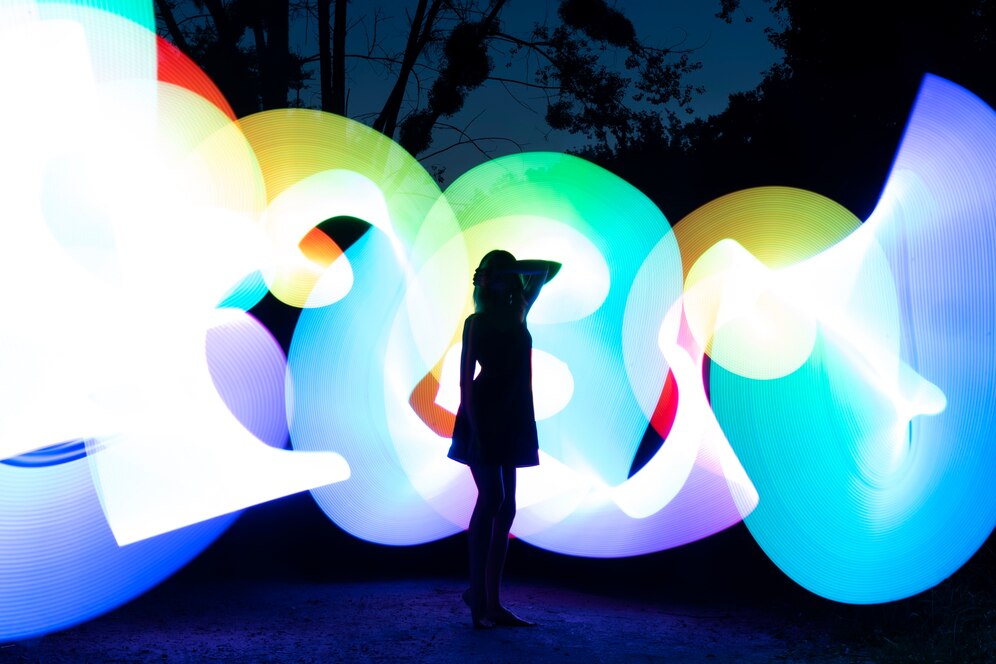
Interactive light art has left the gallery and moved into everyday commercial spaces. Acrylic sheet is what makes most of it work. It is one of the fastest-growing corners of the wider uses of plexiglass sheets in Canada, pushed along by cheap LEDs and easy laser cutting. Acrylic is clear, it carries light along its edge, it engraves well, and it sits happily next to LEDs and control boards. Put those together and you get a whole class of work that had no practical commercial form fifteen years ago.
For Canadian fabricators, designers, and shop owners, this is both a creative opening and a real market. Restaurants order interactive light walls. Office lobbies want responsive branded pieces. Shops use motion-triggered panels to pull the eye. Event firms build large lit acrylic structures for weddings, corporate nights, and launches. The thread through all of it is acrylic sheet, LEDs, and some kind of interaction.
What Makes Acrylic the Material of Choice for Light Art
The traits that make acrylic right for light art are not luck. They come straight from how the material handles light:
Edge-lighting behavior: Send light into the edge of a clear cast acrylic panel and it runs the length of the sheet by total internal reflection, losing very little on the way. A laser engraving or a frosted patch breaks that path. Light scatters out at those spots and you see it. So the panel looks dark where it is untouched and glows where it is cut, even though every LED sits on the edge.
92% light transmission: Clear cast acrylic passes visible light and absorbs very little. You get more apparent brightness out of the same LED, which matters for power draw and for anything running on a battery.
Laser engravability: Cast acrylic engraves cleanly under a CO2 laser. The marks are precise, and they scatter light in a way you can predict. Detailed artwork, text, fine line work, and even photographs can be engraved and then made to glow from the edge.
Diffusion grades: Opal and frosted grades spread light across the face, so you see a smooth glow instead of a row of LED dots. Pick the diffusion level to suit how much of each LED you want showing. Know which type you are buying: a surface-frosted sheet like P95 behaves differently from a bead-diffused one, and only one of the two changes with thickness.
Commercial Applications That Are Growing in Canada
Interactive Reception and Lobby Installations
Corporate reception areas are the fastest-growing slice of custom acrylic light art in Canada. Picture a backlit panel carrying a company logo or brand line, lit with RGB LEDs, shifting color with the time of day or with a visitor walking past. Standard signage cannot compete with that.
These jobs run from simple to complex. At the easy end: cast acrylic, an opal face, RGB LED behind, a DMX controller. At the other end: multi-panel setups where motion sensors or touch triggers move color zones as people cross the room. Even the ambitious builds use parts anyone can buy in Canada. Arduino and Raspberry Pi boards, addressable LED strip such as WS2812B, and sensor modules are all off the shelf now.
Restaurant and Hospitality Feature Walls
Canadian restaurant renovations have driven strong demand for acrylic light walls. A wall that shifts mood between lunch and dinner, or moves with the music, is well within reach of a good fabricator with the right supplier. Many of these builds pair the lit panels with acrylic mirror sheets to bounce light and add depth. Gold and rose gold tones give the reflection a warmer cast.
Common design approaches:
- Vertical acrylic fin walls: Clear acrylic fins mounted edge-on to a backing, with LEDs at the top or bottom of each fin, creating a field of glowing vertical lines that can be addressed individually for dynamic color effects
- Laser-engraved panels: Large-format panels with brand imagery or decorative patterns engraved and edge-lit, creating glowing graphics that appear to float in a clear surface
- Backlit texture panels: Opal or frosted acrylic with three-dimensional texture or structural patterns, backlit to create depth and shadow effects that change with ambient light conditions
- Composite honeycomb panels: Bencore Lightben sets thousands of clear polycarbonate cylinders between acrylic skins, so a backlit wall shows the cell structure itself; the Kaos 3D version mixes three cell sizes through the core. FIDAR quotes the range as Bencore's Canadian dealer
Sound-Reactive Installations
Sound-reactive light art means acrylic panels whose LEDs react in real time to sound or music. It is now standard in nightclubs, music venues, and branded event spaces. The build is simple. A microphone module feeds a microcontroller, and the board turns loudness and pitch into LED signals.
Acrylic carries light along its edge and shows it off cleanly, which is why it is the natural pick here. Any sign shop with a laser can do the fabrication. Anyone comfortable with basic Arduino code can do the electronics.
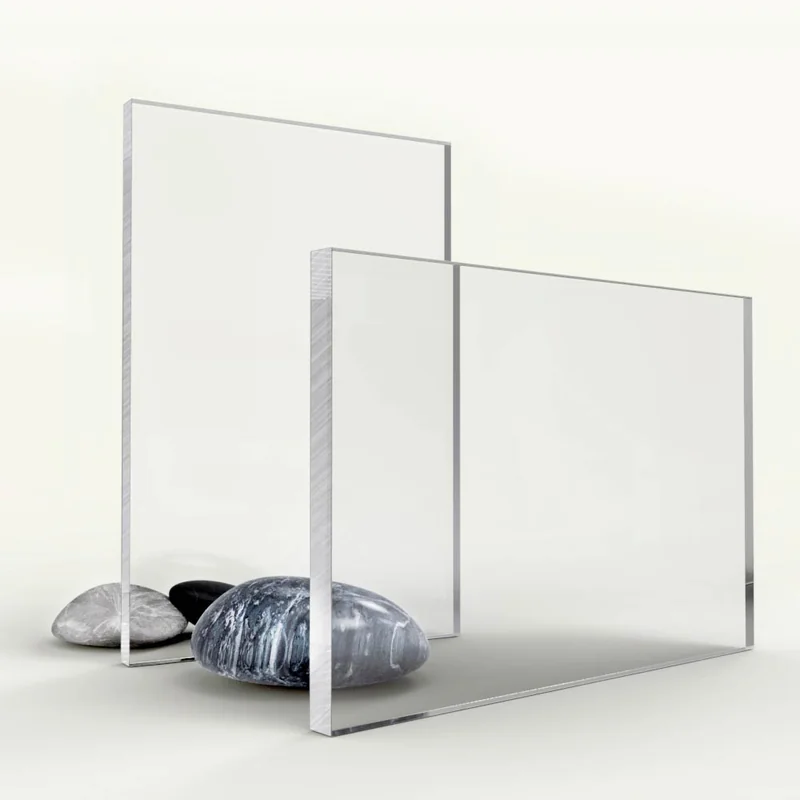


Interactive Light Art Market Growth in Canada
Demand for custom acrylic light installations in Canada has climbed hard. LEDs and control boards keep getting cheaper, laser capacity keeps growing, and clients now know what to ask for.
Material Specification for Light Art Projects
Material choice is what separates a striking light art piece from a flat one. Here is the guidance:
For edge-lit installations: Clear cast acrylic. Build quality decides how evenly light travels through the panel. Cheap extruded sheet and low-grade imports give you hot spots and dark zones across the face. Evonik PLEXIGLAS® GS, or cast sheet of the same standard, stays consistent.
For backlit panels: Opal diffuser acrylic in the appropriate density for your LED pitch. As a starting point:
- Very tight pitch (LEDs every 20-30 mm): Light or medium diffuser
- Standard pitch (40-60 mm): Medium diffuser (P95 or equivalent)
- Coarse pitch (>75 mm): Heavy diffuser, or double up with a second diffuser layer
For color effects: Use transparent colored acrylic to tint the light. The sheet color stacks on top of the LED color. A blue LED behind blue acrylic reads as a deep, saturated blue. The same LED behind amber acrylic reads dimmer and more complex.
For projection surfaces: Frosted acrylic works well. It takes a laser projection from the front and passes light softly from behind.
Children's Educational and Interactive Applications
An acrylic light board is a clear panel with LEDs down the edges. They work well as teaching tools, and Canadian schools, children's museums, and educational shops have picked them up. They are tough enough for a room full of kids, they hold attention, and they earn their place for tracing, drawing, and light-based play.
The commercial version is simple to build. Take a clear cast acrylic panel, 4 to 6 mm, run an LED strip into the edge inside an aluminum or plastic channel, and wire it to a switch or a dimmer. The lit surface is even and bright, which is exactly what tracing needs.
Museums and science centres go further. Capacitive touch sensors and a microcontroller turn the same panel into something that answers touch, drawing, or a game with light.
Starting an Acrylic Light Art Business in Canada
If you run a laser and want into the light art market, the opening is real. It is far less crowded than plain signage and display work. Fewer shops have a track record in interactive light installations than there are clients hunting for one.
What you need:
- Laser cutter (40W minimum for engraving; 60W+ for cutting and engraving)
- Consistent supply of quality cast acrylic in clear and diffuser grades
- Basic knowledge of addressable LED systems and simple microcontrollers
- A portfolio of sample installations showing range of technique
Pricing: Custom light work carries a premium over standard signage. A lobby piece with $300 to $500 of material in it can sell for $3,000 to $8,000, depending on scale and how involved the build is.
Where to start: Shoot your work and publish it. LinkedIn, Instagram, and Google Business are where interior designers, office managers, and restaurant owners go looking. A well-photographed portfolio keeps the enquiries coming.
Where to Source Materials in Canada
FIDAR System stocks clear cast acrylic, opal diffuser grades such as P95, frosted acrylic, and colored transparent acrylic in Toronto, with shipping across Canada. If your project lives or dies on optical quality, talk to us. We will point you at the right grade and send samples to test.
TORONTO: Unit 29, 601 Magnetic Drive, North York, ON, M3J 3J2 Phone: +1 (416) 857-7555 Sales: +1 (416) 726-2428 Email: info@fidarsystem.com
Related Resources
Further reading from FIDAR System:
- Complete Guide to Buying Acrylic Sheets in Canada: cast vs extruded grades, thickness, and pricing for sourcing acrylic for installations
- Top Uses for Plexiglass Sheets in Canada: the full spectrum of acrylic applications across Canadian industries
- Lighting with Acrylic Sheets: the physics and technical fundamentals of acrylic lighting
- Making Money with Modular Interior Design Using Acrylic: turning acrylic fabrication into a viable business in Canada
- Laser Cut Acrylic Sheets: DIY & Commercial Guide: laser fabrication techniques for light art panels and signage
- Acrylic in Architecture and Art: broader context for acrylic in contemporary Canadian design
Technology and electronics references:
- Illuminating Engineering Society (IES): professional standards for architectural, decorative, and interactive lighting design
- Arduino: the open-source electronics platform most widely used for interactive acrylic light installations and sound-reactive displays
Frequently Asked Questions
Written by
M.Arch, RAIC Associate · 9 yrs architectural specification
David is an RAIC Associate with 9 years of experience specifying architectural plastics for commercial and residential projects across Canada. His work bridges material science and aesthetic application, helping designers and contractors choose the right panel systems for every build.
Reader Reviews
Loading reviews…