

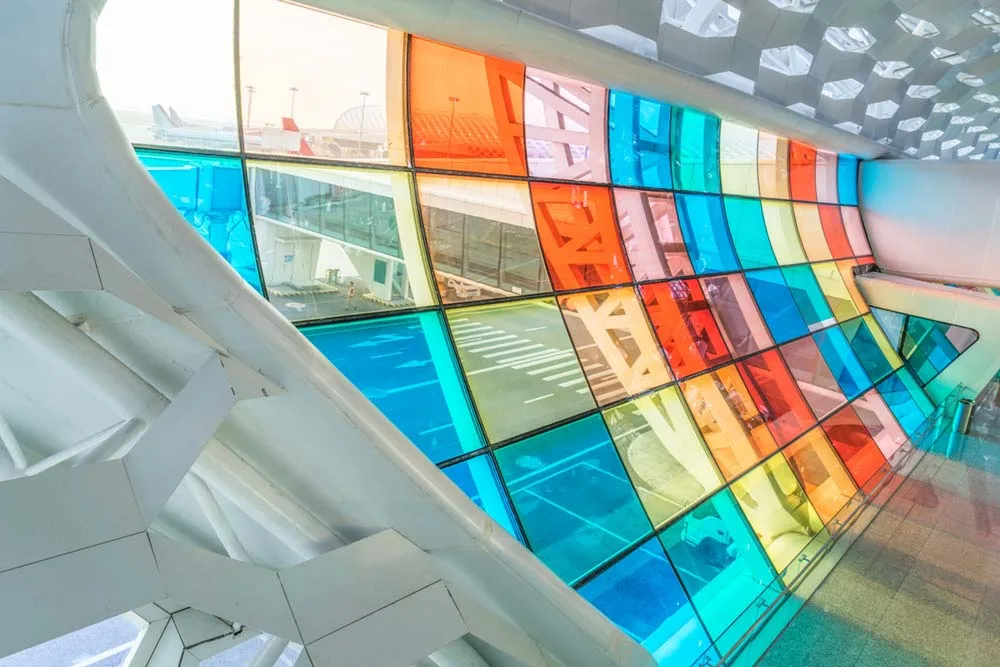
Acrylic sheet has been a commercial material since the 1930s. It's been used in aircraft canopies, submarine periscopes, contact lenses, car dashboards, and aquarium tanks: a material whose range keeps expanding because its fundamental properties map onto new technological requirements as they emerge.
The next decade of acrylic sheet development is not about inventing a new material. It's about the intersection of existing PMMA properties with new manufacturing processes, new application categories, and new sustainability requirements that are reshaping materials specification across industries. For a grounding in what acrylic does today, start with our top uses for plexiglass sheets in Canada. For Canadian fabricators, architects, and business buyers, understanding where the material is going helps make better sourcing decisions today.
Where Acrylic Sheet Technology Is Heading
Self-Healing and Scratch-Resistant Formulations
Scratch resistance is the most persistent limitation of standard acrylic sheet compared to glass. Surface-active coatings have improved this significantly (modern hardcoated acrylic can achieve a pencil hardness of 2H to 4H, compared to around HB for uncoated acrylic), but the coating adds cost and complexity.
Research into intrinsically self-healing PMMA formulations has been ongoing for over a decade. Several commercial self-healing coatings now exist for acrylic (triggered by UV exposure or heat), and research groups have developed PMMA copolymers that repair minor scratches over time through polymer chain mobility. These formulations are beginning to appear in specialty applications (optical instrument covers, high-end display cases) and are expected to move into commercial availability over the next 5-10 years.
For the Canadian signage and display market, a durable self-healing acrylic that resists the surface scratching that accumulates from handling and cleaning would represent a significant product improvement, particularly for high-traffic POS display and countertop applications.
Bio-Based and Sustainable PMMA
The chemical precursor to PMMA, methyl methacrylate (MMA), is currently produced primarily from petroleum-based feedstocks through the acetone cyanohydrin (ACH) process. This makes acrylic sheet a petrochemical product, which is increasingly scrutinized under corporate sustainability frameworks and government procurement policies.
Evonik, Röhm, and other major PMMA producers have active programs to develop bio-based MMA from renewable feedstocks (including ethylene from bio-ethanol and lactic acid from fermentation). Röhm's "Rhomer" bio-MMA project and similar initiatives from other manufacturers target partial bio-based content initially, with ambitions for fully bio-based production.
For Canadian buyers under corporate sustainability commitments, the availability of certified bio-based or recycled-content acrylic sheet is an emerging consideration. Some specialty grades incorporating post-consumer recycled content are already commercially available from European manufacturers.
Recycled-Content PMMA
PMMA is fully recyclable: it can be depolymerized back to MMA monomer with relatively high yield (70-80%), which can then be repolymerized into new sheet. This closed-loop recycling is more efficient than recycling for most other engineering plastics, which degrade in quality through reprocessing.
The barrier has been collection infrastructure, not technical feasibility. As extended producer responsibility (EPR) programs expand in Canadian provinces (Ontario's current plastics regulation and forthcoming EPR requirements will affect how commercial plastic waste is managed), the collection of acrylic sheet waste from fabricators and sign shops for recycling becomes more practical.

Technology Applications Driving Demand Growth
LED Lighting and Optical Applications
The ongoing shift from conventional to LED lighting systems is one of the strongest current growth drivers for acrylic sheet in Canada. LED lighting requires light diffusion, optical management, and optic components that acrylic provides better than most alternatives.
Acrylic light diffuser sheet (opal grades) creates even illumination in LED panels, luminaires, and architectural lighting systems. LED optics (small precision-formed lenses and light guides) are manufactured in PMMA because it combines optical quality, thermal stability up to approximately 80°C, and the precision moldability required for these components.
As Canadian commercial buildings continue retrofitting to LED lighting systems and as specialty architectural LED installations grow, demand for optical-grade acrylic in diffuser and optic applications is expected to grow consistently.
Electric Vehicles and Automotive Technology
Automotive is a major and growing market for acrylic sheet. Current applications include rear lamp assemblies (where cast acrylic lenses provide the optical clarity and weather resistance required), instrument clusters, interior light pipes and decorative lighting elements, and some body panel applications.
The shift to electric vehicles is specifically relevant for acrylic demand. EV design prioritizes weight reduction (every kilogram saved improves range), optical lighting systems (LEDs dominate EV lighting design, requiring optical components), and interior transparency (EV interiors frequently feature large glass-area designs that create demand for protective and decorative transparent panels). All of these trends align with acrylic sheet applications.
Automotive-grade PMMA is a more demanding specification than commercial signage grade: tighter optical tolerances, certified impact resistance, UV stability documentation, and traceability requirements. This segment of the acrylic market is served by a narrower range of manufacturers.
Digital Fabrication and the Maker Economy
Perhaps the most commercially important trend for Canadian fabricators is the continuing democratization of laser cutting and CNC machining technology. As desktop laser cutters have dropped below $5,000 CAD and professional CO2 laser systems below $20,000 CAD, the population of businesses and individuals capable of precision acrylic fabrication has expanded dramatically.
This has created a growing market for acrylic sheet in smaller quantities, specialty colors, and unusual formats, serviced by specialty distributors who stock the range that a hobby fabricator or small business needs. The custom gifts market, the Etsy-scale laser-cut product business, the architectural model-making studio, and the art school now all buy acrylic sheet in commercially meaningful quantities.
Medical, Laboratory, and Healthcare Applications
Acrylic sheet has longstanding medical applications (surgical instruments, incubator windows, oxygen tent panels, and dental applications) that have grown significantly with the post-2020 awareness of hygienic barriers and infection control. Medical-grade PMMA is biocompatible, autoclavable in some formulations, and provides the visual access to patients that clinical environments require.
In Canada, the expansion of healthcare infrastructure (hospital construction, medical clinic fit-out, dental office renovation) drives consistent demand for acrylic sheet in barrier, partition, and glazing applications. For these applications, material documentation and traceability matter: commercial-grade acrylic from a documented supply chain is a minimum requirement; medical-grade specifications are required for patient-contact or implantable applications.
Manufacturing Advances: What's Changing in Production
Continuous Casting
Traditional cast acrylic production uses glass mold cell casting: a batch process. Continuous casting processes under development can produce cast acrylic in a way that achieves the optical quality of cell casting with the dimensional consistency of extrusion. This would reduce the cost gap between cast and extruded, potentially making cast-quality acrylic available at extruded prices for some product lines.
Large-Format and Specialty Formats
Demand for acrylic sheet in larger formats (beyond the standard 4×8 and 4×10 sheets) is growing with architectural applications requiring seamless large panels. Manufacturing capability for 2-metre × 4-metre and larger sheets in consistent quality exists but is limited in the Canadian distribution market. As architectural demand grows, distribution infrastructure for large-format acrylic is expected to develop.
Anti-Microbial Formulations
Post-pandemic, several acrylic manufacturers have developed anti-microbial PMMA formulations incorporating silver-ion technology or other biocidal additives. These formulations reduce microbial load on the material surface: relevant for healthcare barriers, food-industry partitions, and public-space installations. Commercially available in Europe, these grades are beginning to appear in the North American market.
Implications for Canadian Buyers
For sign shops and fabricators: The product range you need to stock is expanding: opal grades, specialty colors, hardcoated grades, bio-based options. A supplier who can evolve with the range is more valuable than one limited to basic clear acrylic.
For architects and specifiers: Material sustainability documentation will increasingly be required for commercial building projects. Know your suppliers' ability to provide environmental product declarations (EPDs), recycled content documentation, and bio-based content verification.
For commercial construction: LED lighting integration is a standard feature of commercial fit-out. The acrylic diffuser and optic components in these systems are specialized products: your material supplier's ability to provide optical-grade diffuser in the right format matters for project execution.
Where to Source Future-Ready Acrylic in Canada
FIDAR System supplies acrylic sheet in Toronto with Canada-wide shipping. Our product range includes standard and specialty grades: including opal diffuser, UV-stabilized, and colored acrylic for design applications. We work with sign shops, fabricators, and commercial buyers, and can advise on appropriate material specification for demanding applications.
TORONTO: Unit 29, 601 Magnetic Drive, North York, ON, M3J 3J2 Phone: +1 (416) 857-7555 Sales: +1 (416) 726-2428 Email: info@fidarsystem.com
Related Resources
Further reading from FIDAR System:
- Complete Guide to Buying Acrylic Sheets in Canada: cast vs extruded, grades, sizes, and real pricing for buying acrylic sheets in Canada today
- Top Uses for Plexiglass Sheets in Canada: current applications shaping acrylic demand across Canadian industries
- Innovative Uses of Acrylic Sheets: Interactive Light Art: emerging tech applications in commercial and public environments
- Lighting with Acrylic Sheets: LED photonics and diffuser engineering with acrylic
- PMMA for Aviation: acrylic's role in one of its most demanding technological applications
- Acrylic in Architecture and Art: design-forward acrylic applications leading current market trends
Technology and research references:
- MIT Technology Review: emerging materials science, advanced manufacturing, and technology trends
- National Research Council Canada (NRC): Canadian applied research programs in advanced materials and sustainable manufacturing
Frequently Asked Questions
Written by
B.Sc. Materials Engineering · 12 yrs industry experience
Sarah brings over 12 years of hands-on experience in Canada's plastics and composites industry. She specializes in material selection, industrial-grade specifications, and supply chain optimization for manufacturers, fabricators, and distributors across the country.
Reader Reviews
Loading reviews…