Material
Extruded PMMA (Polymethyl Methacrylate)
Variants
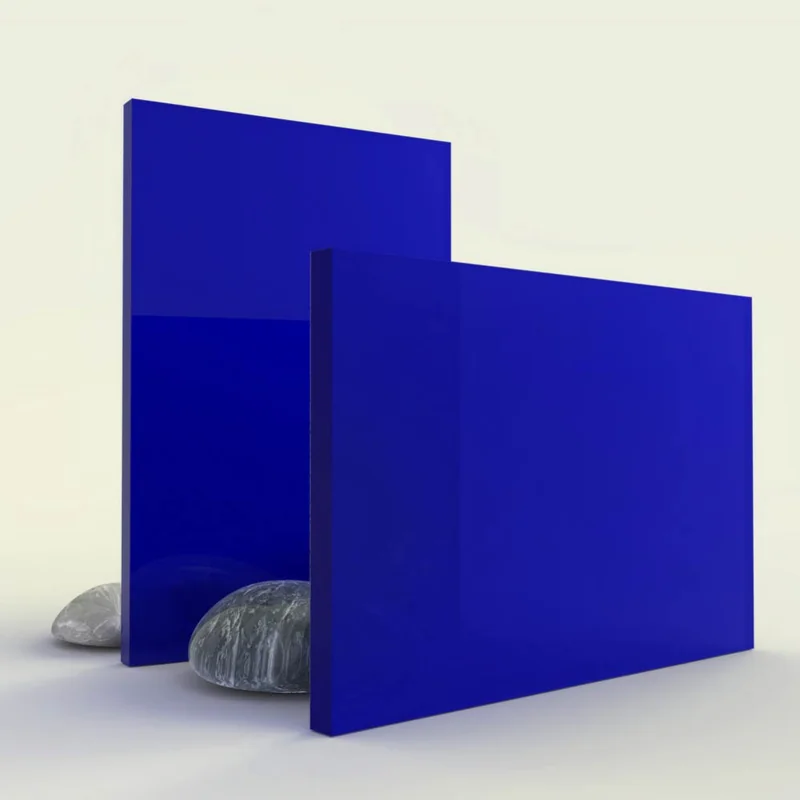
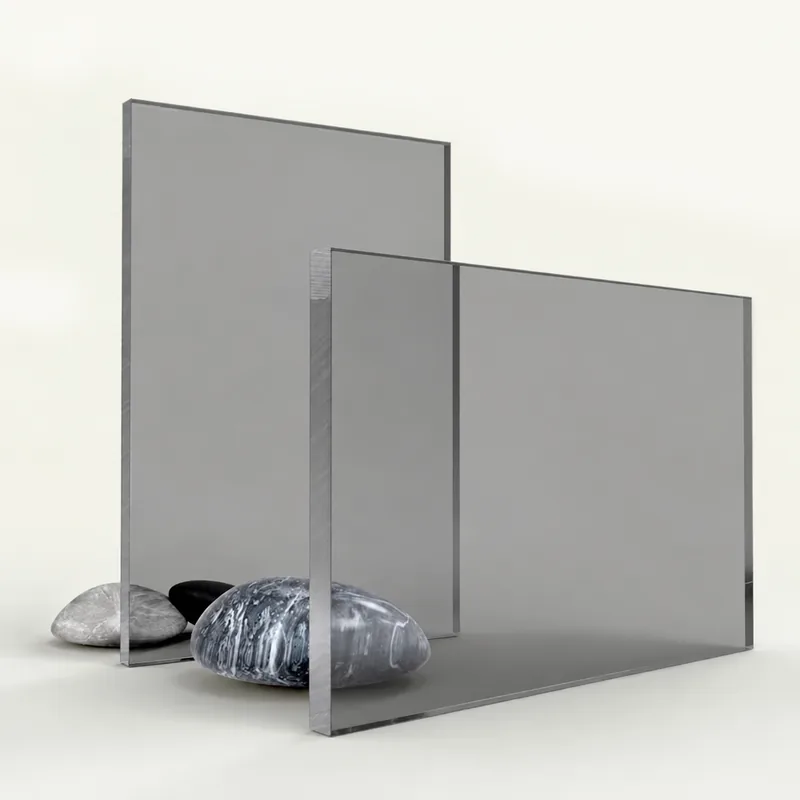
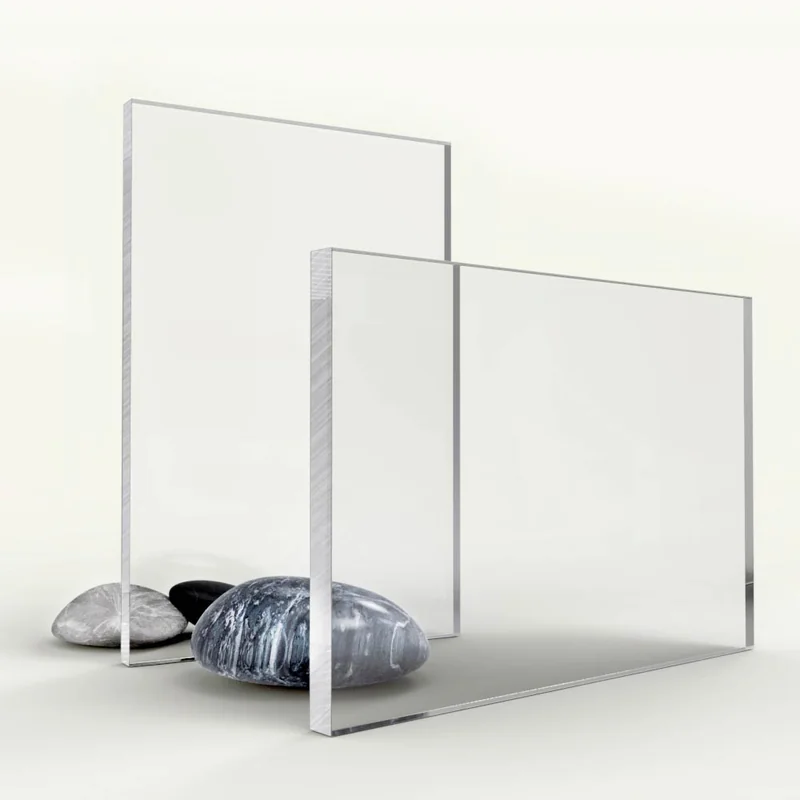
Clear · Grey · Sparkling Gold · Sparkling Blue · Sparkling Red
Surface
Gloss both sides, masked
Density
1.19 g/cm³
Heat Deflection
80°C (lower than cast)
Standard Sheet Size
4×8 ft
Thickness Range
2mm – 6mm
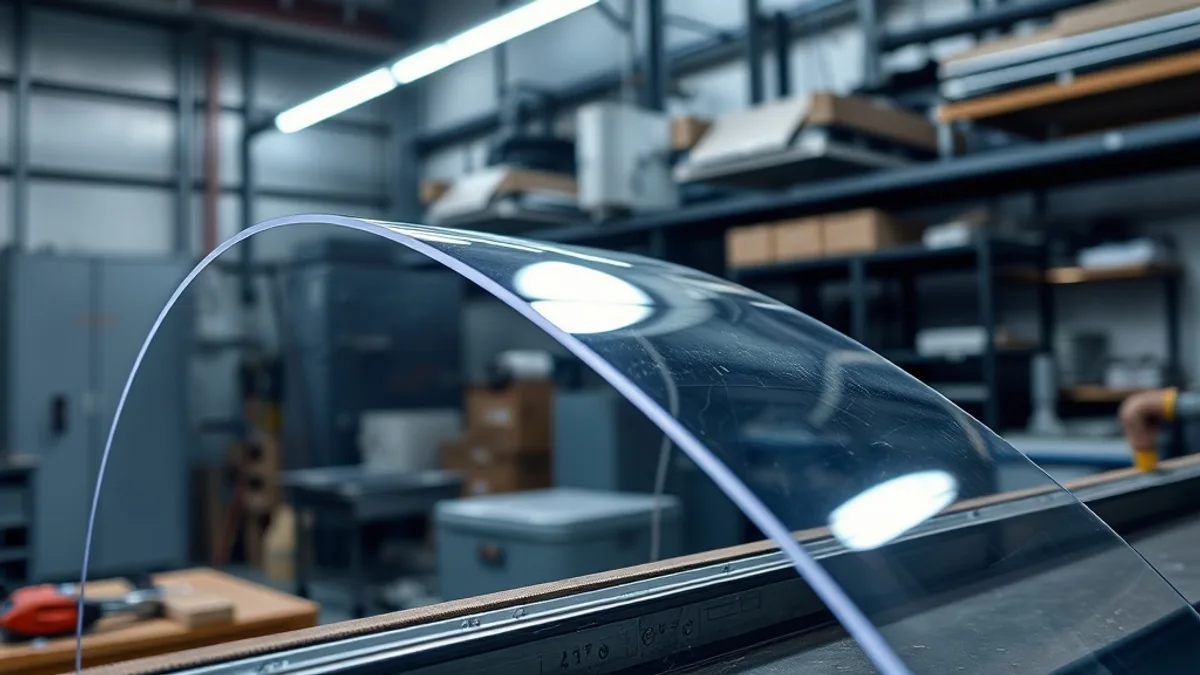
Extruded acrylic sheet being bent on a strip heater in a fabrication workshop

FIDAR System's extruded acrylic sheets are manufactured by the continuous extrusion process, making them a cost-effective alternative to cast acrylic for applications where extreme thickness precision is not required. Available in clear, grey, and three sparkling colour variants.

Cast vs. Extruded Acrylic

Extruded acrylic is lower cost and available in thinner gauges, but has slightly looser thickness tolerances and slightly softer surface hardness compared to cast. Ideal for:

  • High-volume laser cutting where cost per sheet matters
  • General fabrication and prototyping
  • Thin-gauge applications (2mm) not available in cast

Sparkling Variants

The sparkling series includes metallic glitter particles embedded in the acrylic, creating a distinctive shimmering effect visible under direct light:

  • Sparkling GOLD — warm gold metallic shimmer
  • Sparkling BLUE — cool blue metallic shimmer
  • Sparkling RED — vibrant red metallic shimmer

Applications

  • General laser cutting and CNC routing
  • Signage backer panels
  • Display and retail fixtures
  • Craft and maker projects
  • Decorative panels (sparkling series)
Custom Fabrication & CNC Shops

High-Volume Laser Cutting

Extruded acrylic is the preferred choice for high-volume laser cutting operations where cost per sheet matters more than optical precision. Sign shops, maker spaces, and CNC laser cutting services use extruded clear at 2mm–4.5mm for decorative cuts, template parts, and lower-cost production runs.
Retail & Interior Design

Sparkling Decorative Panels

The sparkling series (Gold, Blue, Red) is a unique decorative material used by interior designers and retail display fabricators for accent panels, backsplash elements, and decorative inserts. The embedded metallic glitter creates a shimmering effect under direct and spot lighting.

Signage & Graphics

Signage Backer Panels

Extruded clear acrylic is commonly used as a backer or spacer panel in sign box and display applications where optical clarity is needed but the strict tolerances of cast acrylic are not required.

Product Design & Engineering

Prototyping & Model Making

Product designers and engineering teams use extruded acrylic for rapid prototyping and model making, where clear visibility of internal components is needed at a lower material cost than cast acrylic.

Display & Point-of-Sale Fabrication

Thermoforming & Strip-Bending

Extruded acrylic bends more readily on a strip heater than cast acrylic due to its lower heat deflection temperature (80°C vs 95°C). This makes it the preferred choice for fabricating bent display risers, brochure holders, and counter stands where small-radius bends are common.

Architecture & Office Fit-Out

Grey Tinted Partitions & Panels

The 3mm extruded grey is used for office partitions, desk screens, and architectural glazing applications where a neutral tinted panel is needed at a lower cost than cast grey acrylic. The grey tint provides privacy and glare reduction while maintaining adequate light transmission.

How to Fabricate Extruded Acrylic Sheets (PMMA)

1

Select Thickness

Use 2mm for thin overlay and lightweight laser work. Use 3mm for standard signage and display fabrication. Use 4.5mm–6mm for structural display components that need more rigidity. Sparkling series is only available in 3mm.

2

Laser Cut or Saw

Extruded acrylic laser-cuts cleanly at settings similar to cast, but requires a slightly lower power or higher speed due to the softer surface. CNC routing with a single-flute upcut bit works well. For straight cuts, a circular saw with an 80T+ fine-tooth blade is reliable.

3

Strip Bend (if thermoforming)

Extruded acrylic softens reliably on a strip heater. Heat the bend line evenly, checking flexibility every 30 seconds. Bend once the sheet is uniformly pliable - do not overbend or leave on the heater too long. The lower heat deflection temperature (80°C) means it reaches working temperature faster than cast.

4

Bond & Assemble

Weld-On 4 capillary cement works for tight-fitting joints. Ensure pieces are free from stress before applying - extruded acrylic is more prone to stress cracking at adhesive joints under load. Support all parts during assembly.

5

Finish Edges

Flame-polish or wet-sand edges to finish. Extruded acrylic polishes similarly to cast, though edges may appear slightly less optically clear than cast after flame-polishing.

Thickness Selection Guide

Extruded Acrylic Sheets (PMMA) thickness guide
ThicknessBest For
2mmThin overlays, light-duty laser cutting, framing inserts (not available in cast - extruded exclusive)
3mm (~1/8")General laser cutting and fabrication, sign faces, display panels, sparkling and grey variants
4.5mm (~3/16")Medium-duty fabrication, display components, panels requiring more rigidity
6mm (~1/4")Thicker laser-cut parts, structural display elements, heavier fabrication
Comparison between Extruded Acrylic Sheets (PMMA) and Cast Acrylic
PropertyExtruded Acrylic Sheets (PMMA)Cast Acrylic
Manufacturing processContinuous extrusion (faster, lower cost)Cell-cast in glass molds (slower, higher cost)
Thickness tolerance±0.8mm (looser)±0.4mm (tighter)
Heat deflection80°C95°C
Surface hardnessSlightly softerHarder, more scratch-resistant
Laser engravingPossible; less clean contrast resultExcellent - crisp white frosted result
Thin gauge availability2mm availableMinimum 1mm but higher cost at thin gauges
PriceLower - cost-effective for high-volume cuttingHigher
Sparkling/coloured variantsGold, Blue, Red sparkling; GreyWider colour range

For standard laser cutting and engraving where optical clarity and a high-contrast engraved result are important, cast acrylic is the professional choice. For high-volume cutting where material cost is the primary concern, extruded acrylic is a practical alternative. The main trade-offs are that extruded has a slightly looser thickness tolerance (±0.8mm vs ±0.4mm for cast) and a lower heat deflection temperature (80°C vs 95°C).

Sparkling acrylic sheets (Gold, Blue, Red) are extruded PMMA sheets with metallic glitter particles embedded throughout the material during manufacturing. Under direct or spot lighting, the panels shimmer with visible metallic flakes. They are 3mm, 4×8 ft, and are used for decorative panels, interior accent elements, and display applications where a distinctive glittery appearance is desired.

The thinnest extruded acrylic sheet FIDAR System stocks is 2mm clear (4×8 ft). This is also the only 2mm clear acrylic available, as cast acrylic starts at 1mm. The 2mm extruded clear is used for thin overlays, framing inserts, and cost-effective laser-cut applications.

Extruded acrylic has moderate UV resistance, similar to cast acrylic. For outdoor applications, the lower heat deflection temperature (80°C) should be considered for installations in direct sun exposure in hot climates. For extended outdoor use, UV-protective coatings are recommended.

Yes. Extruded acrylic softens at a lower temperature than cast (80°C vs 95°C heat deflection), which means it becomes workable on a strip heater faster and at lower settings. This makes it popular for bent display fabrication such as brochure holders, counter risers, and bent-panel fixtures. However, this same property means it is more prone to warping near heat sources in finished installations.

Yes. Extruded acrylic bonds with the same solvent cements used for cast acrylic - Weld-On 4 (thin, capillary) and Weld-On 16 (thicker structural). However, extruded acrylic may show slightly more stress-cracking at solvent-bonded joints if the pieces are under tension - ensure parts are properly supported and free from stress before applying solvent cement.