

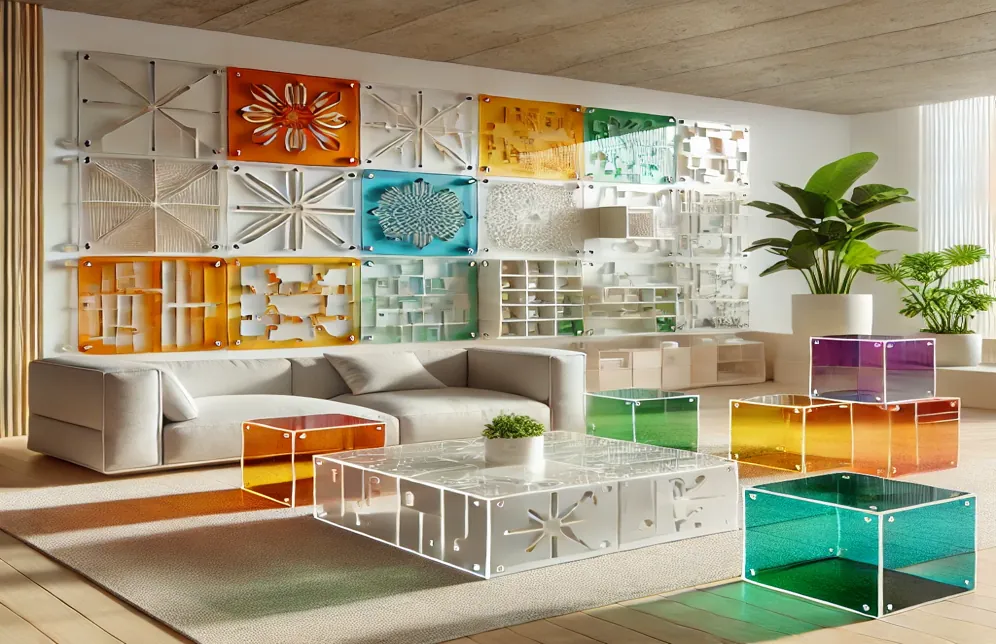
Acrylic sheet sits in an odd spot. On one side it is a commodity, sold in standard sizes by every distributor. On the other it is a premium design material, and finished acrylic products sell at prices that have nothing to do with what the sheet cost. A sheet of 6 mm clear cast acrylic might run $90 from a supplier. A custom console table cut from that sheet might sell for $900. A modular wall panel system might sell for $4,000.
That gap between material cost and finished value is the business. Knowing what Canadian fabricators build with acrylic tells you where the gap is widest, and which categories still have room at the custom end. This guide covers how Canadian fabricators, designers, and founders are working that gap with modular acrylic interior pieces. What sells, how to price it, and where to buy material good enough to build on.
Why Modular Acrylic Products Work Commercially
The word "modular" earns its keep in product design. It says the buyer picks their own layout. It says they can add to the system later. And it says the product bends to their space, rather than the other way round.
Acrylic is particularly well-suited to modular design because:
You can cut it to exact size without specialist kit. A table saw, a router, or a laser gives a small shop the same accuracy as a factory.
Flat panels bolt together. No welding, no fine joinery. Acrylic panels join with standard hardware: brackets, standoffs, hinges, connectors. All of it is stocked, and all of it is interchangeable. That is what makes a modular system work on site.
It looks expensive on its own. Clear acrylic reads as premium. A room divider in clear cast acrylic, polished edges, chrome hardware, looks like a $2,000 product. Built well from good sheet, you can hit that price and still make money.
Nobody owns the custom end. Mass-produced acrylic furniture exists, from Kartell, CB2, and others. Custom modular acrylic does not. Specific sizes, specific colors, specific hardware: the big suppliers mostly do not offer it. That is the gap a small-batch fabricator can walk into.
Product Categories with Strong Market Demand
Floating Shelves and Shelving Systems
Clear acrylic floating shelves sell steadily in Canadian homes and shops. The reason is simple. They look weightless, they add no bulk to a wall, and they show off whatever sits on them: collectibles, plants, books with a good spine.
The build is easy. Acrylic shelf brackets that mount to the wall come from specialty hardware suppliers. The shelf is a cut panel, sized in thickness to the span. Use 6 mm under 400 mm, and 8 to 10 mm for anything wider. Edge finish is what sets a good shelf apart. Polish it, or route a bevel.
Commercial work pays better. Retail displays, boutiques, salons, and spas all buy custom acrylic shelving at premium prices, and they come back when they expand or renovate.
Modular Room Dividers and Privacy Screens
Room dividers made from acrylic panels are a significant commercial opportunity, particularly for:
- Small apartment living (dividing studio and loft spaces while maintaining light flow)
- Open-plan offices seeking team separation without enclosed rooms
- Restaurants and cafes wanting zone definition without ceiling-to-floor walls
- Retail environments creating product zones or brand boundaries
The modular opening is a frame-and-panel system. Build an aluminum or steel frame that takes swappable acrylic panels. Offer the frame straight, L-shaped, and T-shaped. Offer the panels clear, frosted, colored, or patterned, all cut to drop into the same frame.
A system keeps selling. The client buys the frame and a first set of panels, then orders more as their needs shift. It also prices higher, because a system reads as engineered where a single panel reads as a part.
Decorative Wall Panel Systems
Laser-cut acrylic wall panels are a growing interior design market in Canada. Cut a geometric or organic design from colored or mirror acrylic, mount it on a wall, and you have a piece with real presence in a home or an office. The buyers are on Instagram, in design-led shops, and inside interior designer networks.
The production is well-suited to a small workshop with a laser cutter:
- Design (vector file in Illustrator or similar)
- Laser cut from acrylic sheet
- Edge finish (polish or leave as laser-cut per design intent)
- Mount hardware (standoffs, adhesive, or framework)
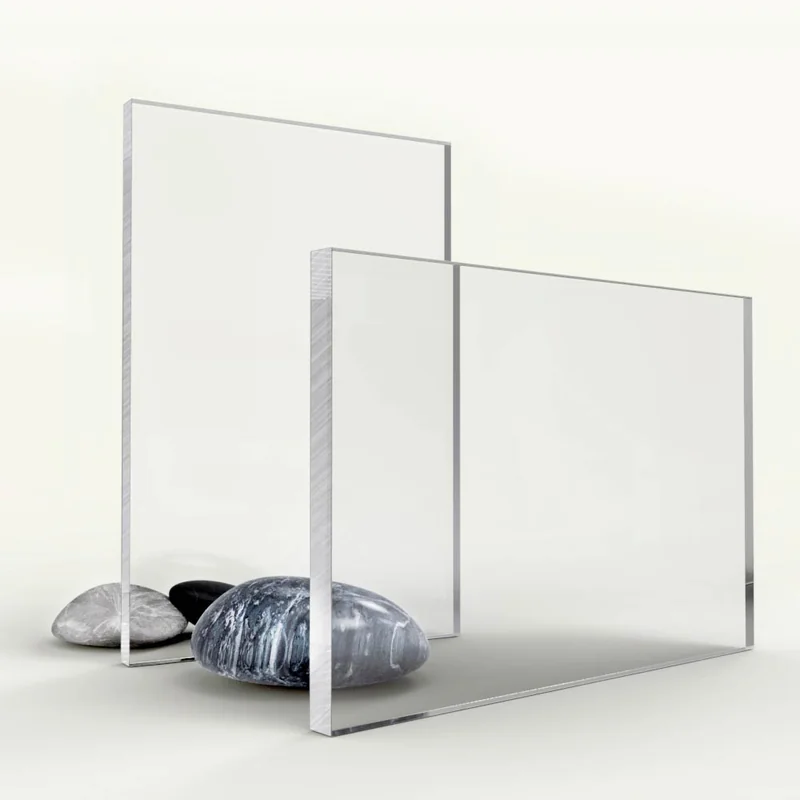
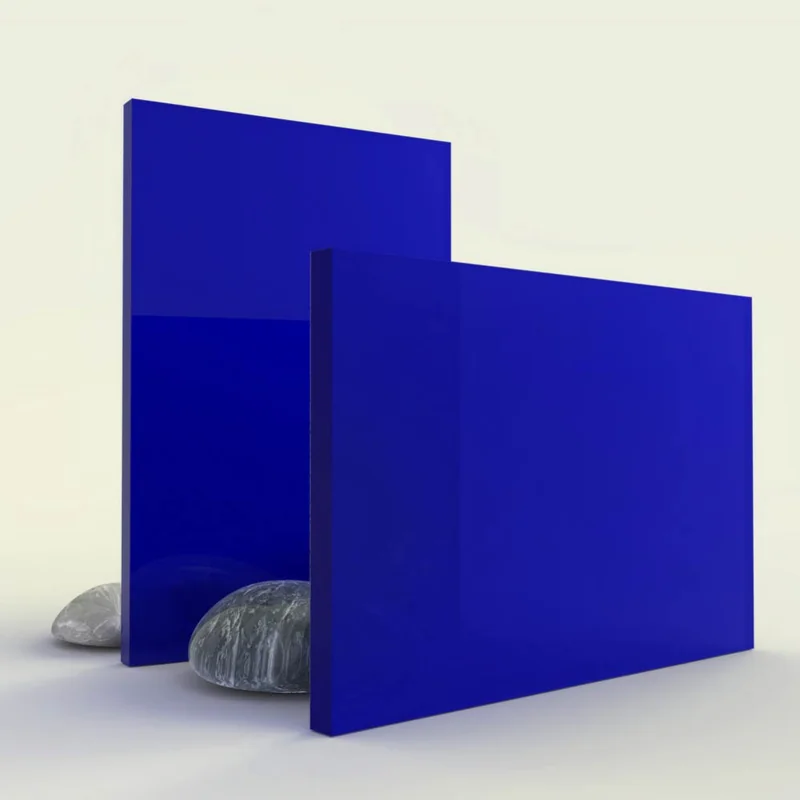
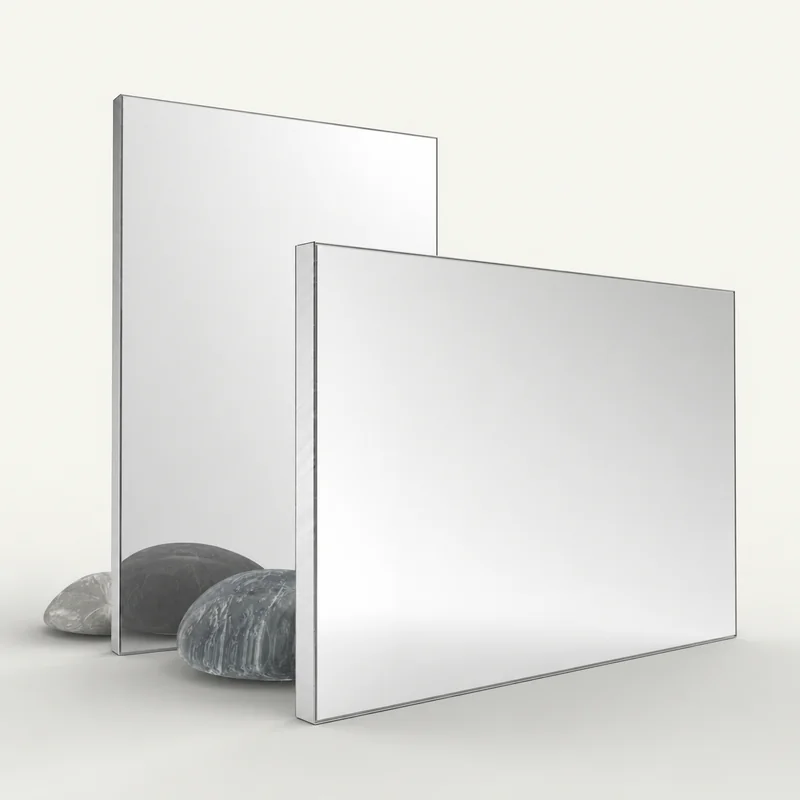
Colored and mirror acrylic widen what you can offer. A wall of hexagonal panels in mirror acrylic, or in deep jewel-toned transparent sheet, becomes the statement piece of the room.

Custom Furniture: Tables, Consoles, and Side Tables
Custom acrylic furniture is a significant market for fabricators with the right tooling and finishing capability. The products in highest demand:
Ghost chairs and side tables: Clear acrylic chairs have been a design icon since Philippe Starck drew the Louis Ghost chair in 2002. The custom market for pieces in that spirit runs on thick cast acrylic, 15 to 20 mm for anything structural. It belongs to fabricators who can thermoform or route acrylic into chair parts.
Console tables: A clear acrylic console works hard in a small Canadian home. It gives you a surface without adding visual mass. Build the top from 12 to 15 mm sheet and the legs from 10 mm. Polish the edges, make the joints clean, and the price justifies the custom work.
Side tables and coffee tables: Simpler than a console. Often just sheet acrylic folded or joined into a box or tube. A small shop with basic tooling can make these.
Acrylic Interior Design Product Revenue Potential
The custom acrylic interior market in Canada has more than doubled since 2020. Buyers know more about what acrylic can do, laser cutting has spread, and the renovation boom kept the work coming.
Pricing Your Acrylic Products Profitably
The usual mistake for a new fabricator is pricing off material cost instead of value. Here is a better frame:
Material cost multiplier: Start at 3 to 5 times material cost for standard work, and 6 to 8 times for complex or bespoke design. Say a shelf takes $25 of acrylic and $15 of hardware. Somewhere between $120 and $200 is fair for a standard piece. A custom laser-cut wall piece with the same material in it can carry $200 to $400.
Labour pricing: Acrylic fabrication is skilled work. Charge $65 to $85 an hour, in line with woodwork and metalwork. Even simple products then price properly. A room divider that takes 4 hours to build and finish should carry $260 to $340 in labour, before material and overhead.
Design premium: A custom design, meaning the client's dimensions, colours, and layout, is worth 20 to 40% over your standard price. Design time is real work. Bill it.
Finishing quality premium: Polished edges, invisible solvent-bonded joints, proper hardware. Buyers see all three, and all three support your price. Never cut the finishing to save time. It is the line between a professional product and a Kijiji listing.
Selling Channels for Acrylic Interior Products in Canada
Online platforms: Etsy leads for custom acrylic in Canada. Laser-cut decor, custom signage, and small furniture all move well there. Instagram is where the higher-end custom work gets found. Take the photography seriously. Acrylic pays back careful lighting more than most materials.
Interior designers: A B2B tie to designers in your city is the best channel you have for custom furniture and architectural work. One designer with a busy renovation practice can carry a lot of your year. Approach them directly, leave samples, and offer to design alongside them.
Direct commercial clients: Restaurants, shops, and office renovations buy custom acrylic straight from the fabricator. Cold outreach works if you narrow it. Contact renovation contractors and property managers about one product type at a time: shelving, dividers, or branded displays.
Craft markets and design fairs: Good for the smaller pieces. Wall panels, display objects, and small furniture sell face to face, and the stand pays for itself in exposure.
What Fidarsystem Provides as a Supplier
FIDAR System is a Toronto plastic sheet distributor. We back modular interior design businesses with:
- Consistent quality acrylic in standard and specialty grades: clear, colored, mirror, frosted, and pastel in commercial quantities
- Cut-to-size service for designs requiring precision dimensions without in-house cutting
- Commercial pricing for volume buyers: fabricators buying regularly qualify for commercial account pricing
- Material advice for specific applications: we can help you select the right grade and thickness for your product design
TORONTO: Unit 29, 601 Magnetic Drive, North York, ON, M3J 3J2 Phone: +1 (416) 857-7555 Sales: +1 (416) 726-2428 Email: info@fidarsystem.com
Related Resources
Further reading from FIDAR System:
- Complete Guide to Buying Acrylic Sheets in Canada: material selection, grades, and real 2026 pricing to cost your acrylic products accurately
- Top Uses for Plexiglass Sheets in Canada: understanding the full application market for acrylic products
- Laser Cut Acrylic Sheets: DIY & Commercial Guide: production techniques and tooling for modular acrylic fabrication
- Innovative Uses of Acrylic: Interactive Light Art: premium product category for fabricators entering the commercial space
- How to Color Acrylic Plastic: Professional Results: expanding your product line with color and surface finish options
- Acrylic in Architecture and Art: high-value architectural markets where custom acrylic fabricators compete
Business and market references:
- Etsy Seller Resources: marketplace data, seller tools, and Canadian market trends for custom acrylic product sales
- Statistics Canada: Canadian small business, manufacturing sector data, and consumer spending trends
Frequently Asked Questions
Written by
M.Arch, RAIC Associate · 9 yrs architectural specification
David is an RAIC Associate with 9 years of experience specifying architectural plastics for commercial and residential projects across Canada. His work bridges material science and aesthetic application, helping designers and contractors choose the right panel systems for every build.
Reader Reviews
Loading reviews…