

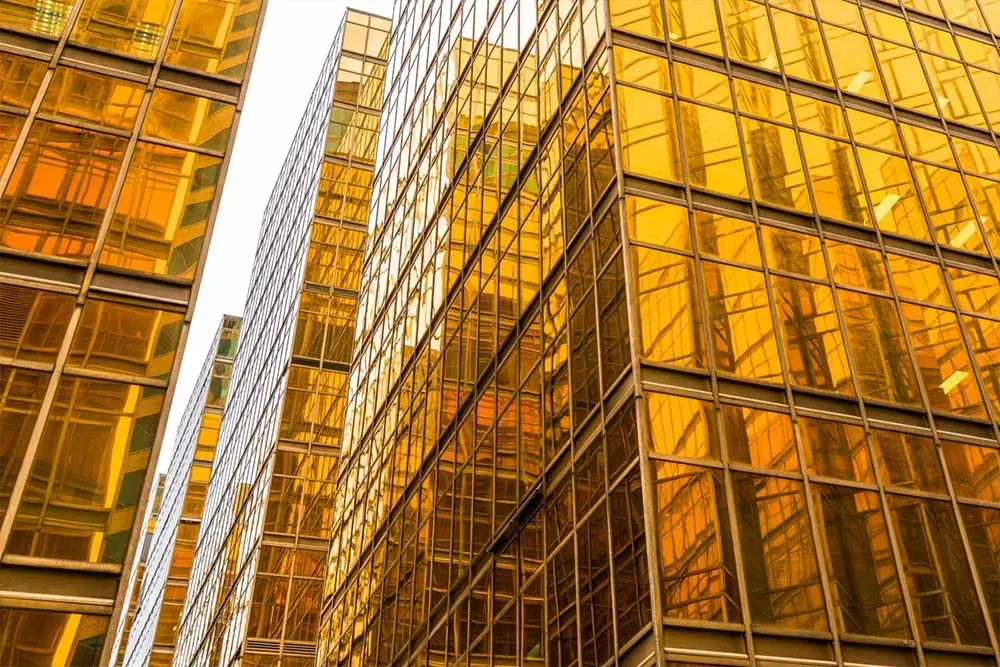
Walk through an art gallery, an airport terminal, a flagship store, or a well-built home extension. Somewhere in that space, acrylic sheet is doing quiet work. It might be a skylight softening the afternoon light through a frosted panel. It might be a lit reception sign, a sculptural room divider, or a stair rail that reads as glass and weighs half as much. Acrylic has become the invisible infrastructure of modern design.
No single property explains how far it has spread. It is the mix. Clear optics, low weight, easy shaping, and weather resistance. On top of that, acrylic takes color, frost, mirror, and backlight. That combination widens what a designer can draw. This article maps the main application zones for acrylic sheet. It covers architecture, interior design, public art, product design, and retail, with notes on how Canadian designers and fabricators work today. For a wider list that adds signage, barriers, and DIY jobs, see our top uses for plexiglass sheets in Canada.
Architecture: Where Acrylic Became Structural
Architecture was one of the first fields to adopt acrylic sheet at scale. The driver was overhead glazing. Skylights had to carry loads that glass could not. Acrylic takes an impact better and weighs less. That let architects draw larger panels, harder shapes, and roof glazing that would have been too costly or too heavy in glass.
Skylights and Overhead Glazing
Clear and frosted cast acrylic has run house and small shop skylights for decades. Clear grades pass 92% of the light, better than most glass. They also weigh less, so the frame around them can be lighter. Wide atrium skylights are a different job. There, multi-layer polycarbonate wins on heat loss, and our polycarbonate roof panels guide breaks that choice down by format, span, and snow load. For house-scale work, and for any job that needs the clearest possible panel, cast acrylic is still the standard.
Overhead glazing in Canada needs UV-stabilized cast acrylic, such as Evonik PLEXIGLAS® GS XT. Direct sun and summer UV are hard on plastic here. Sheet without a UV stabilizer shows visible damage within 3 to 5 years.
Facade Cladding and Exterior Panels
ACM, the aluminum composite panel, and glass own the large commercial facade. Acrylic sheet has a smaller role. It works as a translucent or colored cladding piece on shops, clinics, and schools. Opaque colored panels set in aluminum framing give a facade a look glass cannot, and they hold the tight dimensions architects ask for.
When the cladding itself has to glow, acrylic is the only practical option. That covers lit building signage and branded facade panels. Put an LED behind a colored or opal acrylic panel and you get an effect no other stock material gives you.
Canopies and Covered Walkways
Canopies and covered walkways use translucent acrylic, most often 6 to 10 mm cast sheet. You see it on schools, transit stops, and shop entrances. It keeps rain and snow off and still passes daylight, so the walkway never feels like a tunnel.

Interior Design: The Material of Contemporary Interiors
Feature Walls and Partition Systems
Need the spec detail behind a frosted partition? Our guide to frosted acrylic sheet and P95 privacy panels covers gauge choice, and how far back a person has to stand before they stop being recognisable.
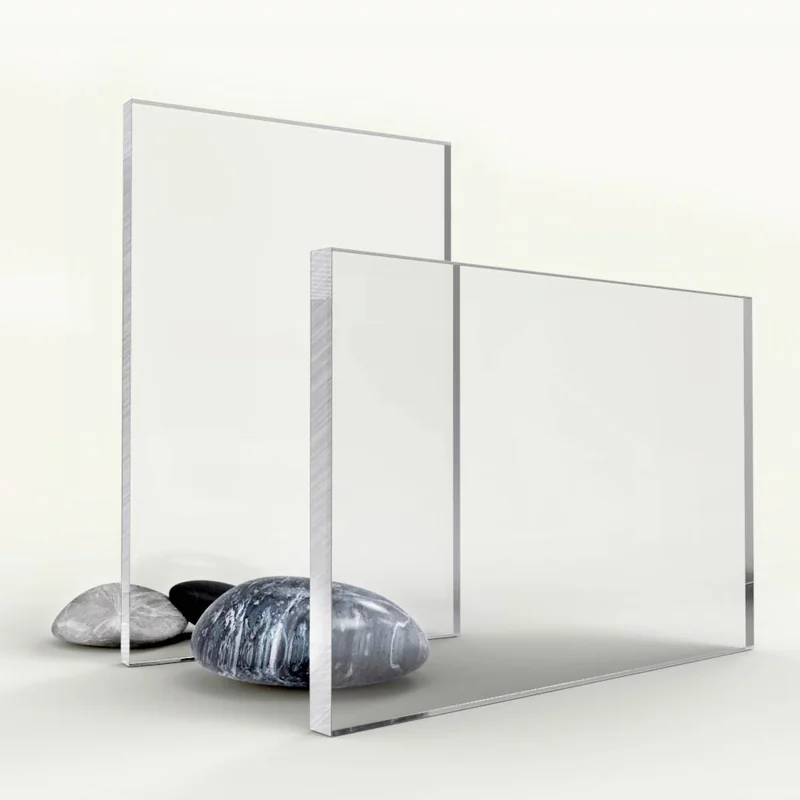
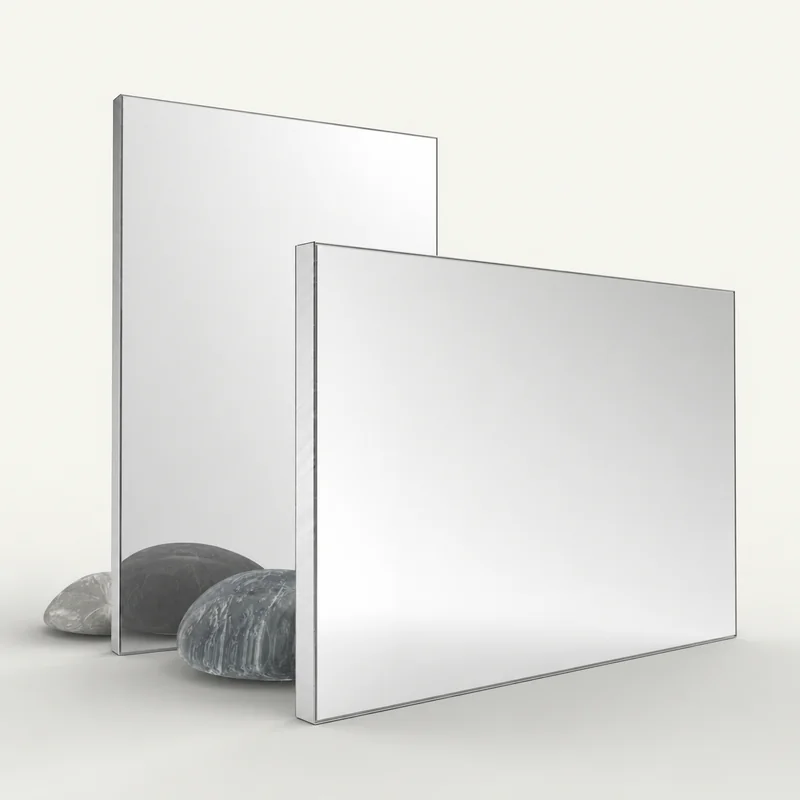
A backlit acrylic panel is opal or frosted sheet with an LED behind it. It is now a standard move in reception areas, hotel lobbies, restaurant feature walls, and high-end retail. The panel glows evenly, which adds depth and mood. No other material does that for the money, and there is none of the heat or upkeep of an old light box. Some walls want reflection instead of light. Designers clad those in acrylic mirror sheets, which come in gold, silver, and rose gold tones that glass mirror cannot match.
Furniture and Object Design
Acrylic furniture holds a spot of its own. It gives you structure and a work surface, yet it looks weightless. A clear table, console, or chair adds function without adding bulk to the view. That matters most in small Canadian homes and condos, where every sight line counts.
Acrylic is easy to work, so a custom piece costs less than the same piece in metal or glass. Take a clear acrylic console table. A local shop can cut it to your exact size, laser the edges, and solvent-bond the joints. The bill is roughly what a plain off-the-shelf glass table would cost.
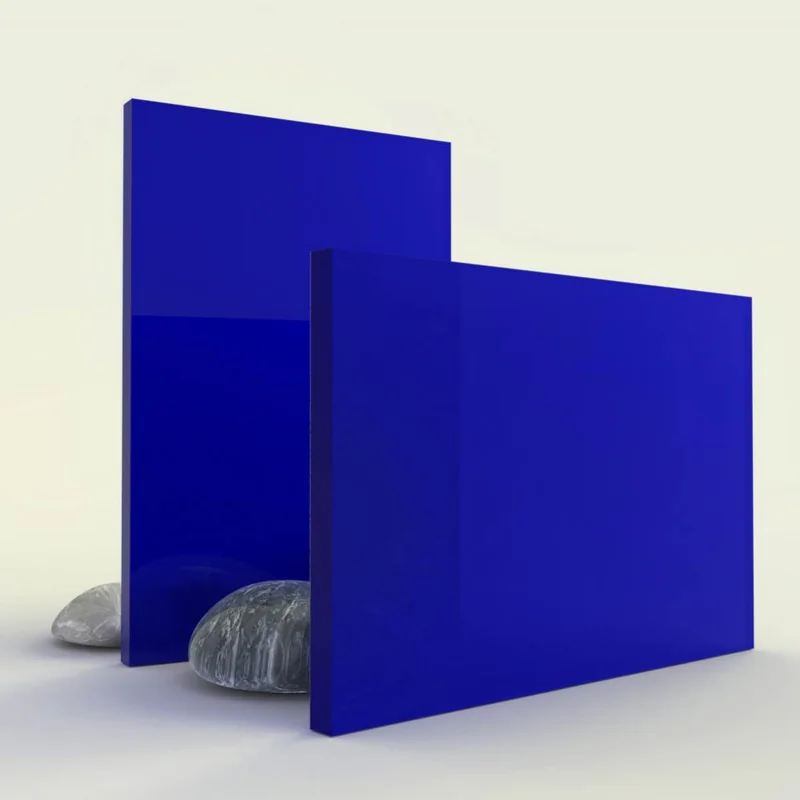
Colored and mirror acrylic are now design elements in their own right. Nobody picks them as a stand-in for something else. A copper mirror panel on a wall, a frosted screen between the dining and living zones, a bold colored kitchen backsplash: these are choices, not compromises.
Stair Railings and Balustrades
Glass balustrade panels and stair rails are a standard look in homes and offices now. Acrylic is the lighter option, and it breaks more safely. It suits homes that do not need a full structural glass spec. Where code calls for tempered glass, use tempered glass. Where the job is a quiet stair in a house, cast acrylic does the work for less.
Art and Installation: Acrylic's Creative Possibilities
Artists have worked with acrylic sheet since it reached the market in the 1950s. What drew them was the clarity, and the way sheets can be stacked and lit. Older materials cannot do that. Artists keep finding new uses today. Laser cutting and CNC machining put complex acrylic forms within reach of a small studio, not just a funded one.
Light Art and Illuminated Installations
Feed light into the edge of a clear cast acrylic sheet and it travels through the panel. Where it meets an engraving or a cutout, it lights up. That is edge-lighting, and it is one of the signature effects in installation art. Laser-engrave a clear panel, light the edge, and the engraved lines glow while the sheet around them all but vanishes. It reads as a drawing made of light. No other material does it this cleanly.
Stacked edge-lit panels turn up in museums, galleries, public art commissions, and brand spaces. Acrylic costs less than a custom LED build or a glass one. That puts the effect within reach of a mid-size budget.
Photography and Mixed Media
Photo studios lean on acrylic sheet three ways. Mirror acrylic reflects, opal acrylic diffuses, and clear sheet gives a glossy table top. In product work, clear or colored acrylic throws a reflection that is hard to fake with anything else.
Mixed-media artists and illustrators mount work on acrylic and under it for shows. Cast acrylic is clear enough to leave the piece face-out and still protected. It does not yellow the way acetate and some other plastics do.
Canadian Acrylic Design Market Trends
Design demand for acrylic sheet in Canada has grown every year. Interior design and custom fabrication have led the jump since 2021.
Commercial and Retail Environments
Retail is still the biggest buyer of acrylic sheet in Canada. The reason is volume. Malls, high streets, and office towers are always mid-renovation somewhere.
Branded stores use acrylic all over: lit logo panels, display cases, counter risers, feature walls, and wayfinding signs. Laser fabrication is cheap now, and the sheet reads clearer than the options around it. Twenty years ago the same store would have cost far more to build.
Restaurants, hotels, and bars treat backlit acrylic as a standard feature. It gives a room a strong lighting effect with no heavy structure behind it. That is why restaurant designers across Canada reach for it first.
Product Design, Fashion, and Automotive Applications
Product designers in furniture, lighting, and home goods use acrylic sheet for both the structure and the look. Table lamps with acrylic shades, desk pieces, modular storage, and decorative objects all draw on the same three things: tight tolerance, clarity, and ease of working.
Fashion uses acrylic as structure in accessories. Think bags, belts, hair pieces, and statement jewellery, mostly in runs that need a stiff part with visual punch. A laser cuts acrylic to geometric and organic shapes that would cost real money to machine in metal.
Cars use acrylic in dashboards, interior trim, headlight lenses, and aero parts on performance models. It is clear, it forms well under heat, and it is light. Those three traits have kept it in car lighting for decades.
Practical Guidance for Canadian Designers and Fabricators
Spec work needs more than the words "clear acrylic". Match the grade to the job:
- For backlit panels and illuminated signage: Opal/diffuser grades in the appropriate diffusion level for your LED pitch (tighter pitch = less diffusion needed)
- For laser fabrication: Cast acrylic exclusively: extruded produces poor edges
- For outdoor applications: UV-stabilized cast acrylic: essential in Canadian climate conditions
- For colored effects: Transparent colored acrylic for illuminated applications; opaque colored for non-illuminated
- For mirror effects: Mirror acrylic: available in silver, gold, and tinted mirror finishes
FIDAR System stocks the full range of design-relevant acrylic products in Toronto, with Canada-wide delivery.
TORONTO: Unit 29, 601 Magnetic Drive, North York, ON, M3J 3J2 Phone: +1 (416) 857-7555 Sales: +1 (416) 726-2428 Email: info@fidarsystem.com
Related Resources
Further reading from FIDAR System:
- Complete Guide to Buying Acrylic Sheets in Canada: cast vs extruded, sizes, finishes, and pricing for specifying acrylic on design projects
- Top Uses for Plexiglass Sheets in Canada: the comprehensive overview of acrylic applications across all industries
- Lighting with Acrylic Sheets: LED edge-lighting, backlit panels, and diffuser applications for architectural lighting
- Interactive Light Art with Acrylic Sheets: commercial interactive installations for hospitality and public spaces
- Laser Cut Acrylic Sheets, DIY & Commercial Guide: fabrication techniques for architectural acrylic panels and decorative elements
- What Is ACM Panel? Complete Guide for Canada: complementary composite panel systems for exterior architectural cladding
Professional and green building references:
- Royal Architectural Institute of Canada (RAIC): professional standards, continuing education, and specification guidance for Canadian architects
- Canada Green Building Council (CaGBC): LEED Canada certification, sustainable material resources, and green building standards
Frequently Asked Questions
Written by
M.Arch, RAIC Associate · 9 yrs architectural specification
David is an RAIC Associate with 9 years of experience specifying architectural plastics for commercial and residential projects across Canada. His work bridges material science and aesthetic application, helping designers and contractors choose the right panel systems for every build.
Reader Reviews
Loading reviews…