

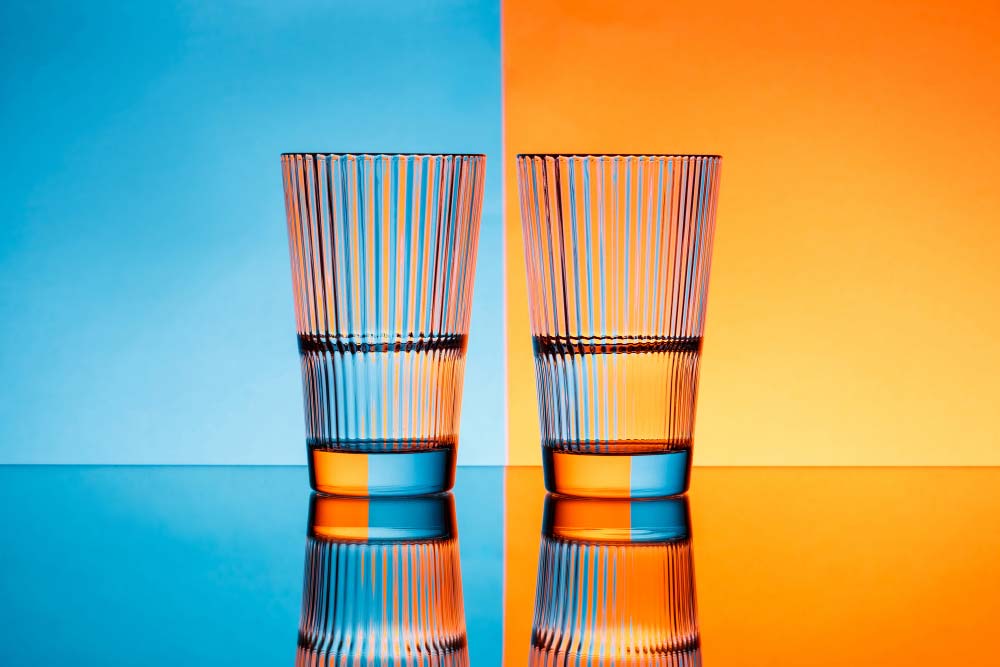
Replacing or specifying glazing for a residential project used to be simple: you used glass. Then along came plexiglass (clear, lightweight, impact-resistant acrylic) and suddenly there's a real choice to make. Both materials are transparent, both serve as barriers, both work in windows and skylights. But they behave differently enough that choosing incorrectly means either paying too much, installing something that fails too quickly, or missing an opportunity for a better solution.
This guide gives Canadian homeowners, contractors, and architects an honest, detailed comparison (not just a bullet-point summary but an actual assessment of when glass is the right answer and when plexiglass is genuinely better). For a broader look at what plexiglass is used for across the country, see our guide on top uses for plexiglass sheets in Canada.
The Materials at a Glance
Glass is a traditional inorganic solid made primarily from silica. It's hard, thermally stable, and scratch-resistant. Under sufficient impact, it shatters: the failure mode is well understood and, in most residential applications, manageable through the use of laminated safety glass.
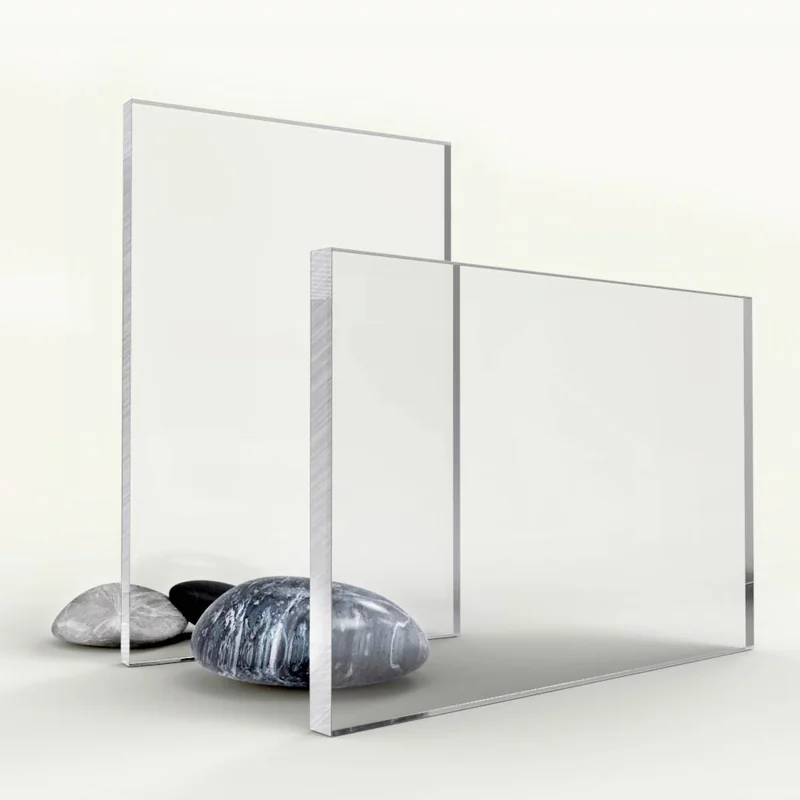
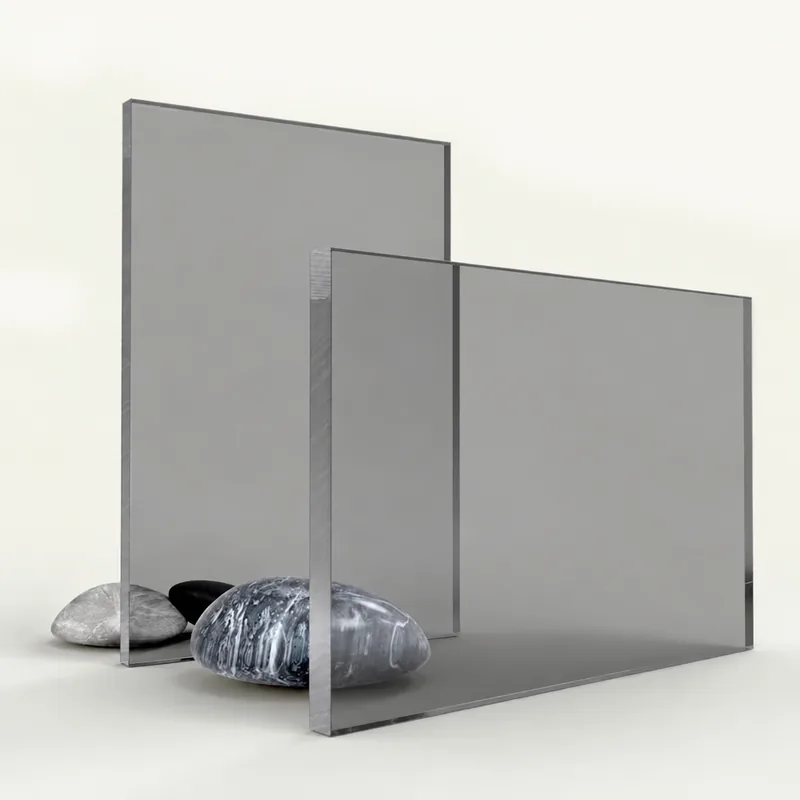
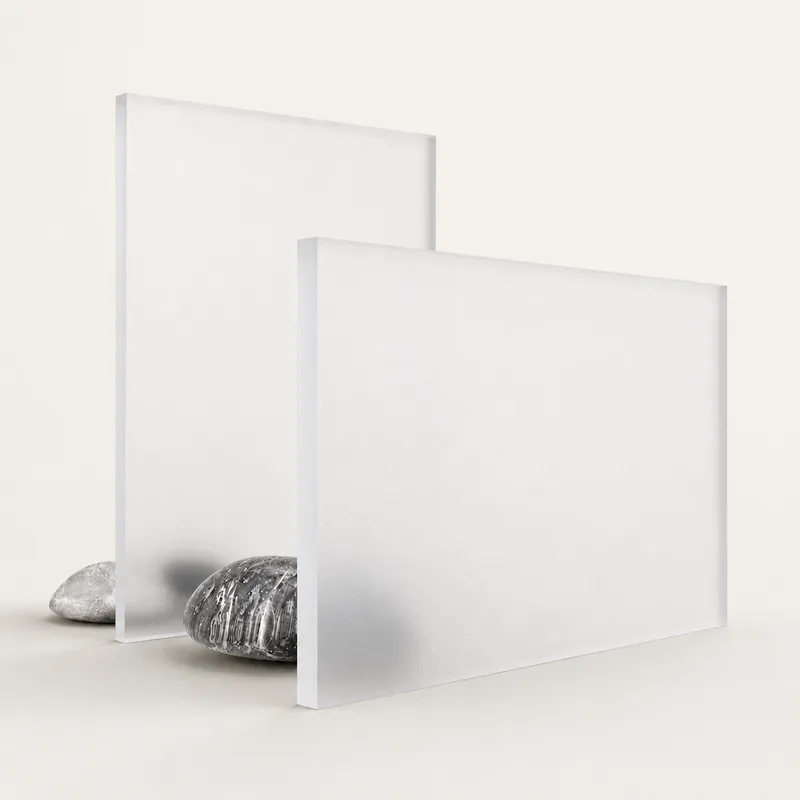
Plexiglass (acrylic / PMMA) is a thermoplastic polymer with high optical clarity, low weight, and significant impact resistance. It doesn't shatter like glass: under sufficient impact, it cracks rather than fragmenting. It's lighter, easier to cut to custom shapes, and can be thermoformed into curved configurations that would require expensive specialty glass to achieve.
Both materials transmit visible light beautifully. From a practical standpoint, a well-chosen acrylic glazing installation in a residential context is largely indistinguishable from glass to a casual observer.
Safety: Plexiglass Has a Clear Advantage
For most residential applications, safety is where plexiglass wins decisively. Standard glass shatters on significant impact, producing sharp fragments. Even with tempered glass (which fractures into small, less-sharp pieces), the failure mode involves a sudden catastrophic break.
Acrylic fails differently. Under impact, it cracks along stress lines rather than shattering. An acrylic pane struck by a thrown ball or accidentally walked into may crack, but it generally stays in place: it doesn't spray glass fragments. For homes with young children, for greenhouse glazing, or for any application where accidental breakage is a real possibility, this difference matters.
UV-stabilized cast acrylic is also the correct choice for safety glazing in locations where a broken pane would be difficult or dangerous to deal with: skylights, overhead glazing, and high-mounted windows where a falling pane of broken glass poses a risk. Where the overhead panel also has to carry a Canadian snow load, polycarbonate takes over from acrylic, which our polycarbonate roof panels guide covers gauge by gauge.
Weight: Plexiglass Wins
Acrylic is approximately 50% lighter than glass at equivalent thickness. For a standard residential application (replacing a 4 mm window pane, for example) the weight difference is manageable either way. But for large-format glazing, skylights, greenhouse panels, or any application where the glass needs to be moved and installed by a small crew, weight becomes a significant practical factor.
A 2-metre × 1-metre panel of 6 mm glass weighs approximately 30 kg. The equivalent in 6 mm acrylic weighs around 14 kg. That difference means one person can handle the acrylic panel safely; the glass panel requires two.
For overhead skylight applications, the weight reduction also affects structural calculations: lighter glazing means less load on the frame system, which can simplify and reduce the cost of the structural support.
Optical Clarity: Nearly Equal, with Nuances
(Bar represents glass scores; cast acrylic typically matches or exceeds on all except scratch resistance)
High-quality cast acrylic transmits 92% of visible light, actually better than standard window glass (approximately 90%) and comparable to high-quality optical glass. Side-by-side, in a residential window application, the difference is imperceptible to most observers.
The nuance is in scratch resistance. Glass is one of the hardest common materials and resists surface scratches from routine cleaning and contact remarkably well. Acrylic is significantly softer and will accumulate surface scratches over time with regular cleaning, particularly if abrasive cloths or cleaners are used. In residential applications where windows are cleaned infrequently, this isn't a major issue. In high-traffic or high-touch applications (storm doors, table tops, children's play areas) the scratch susceptibility of acrylic is worth factoring into the decision.
Insulation and Energy Efficiency
This is an area where acrylic has a genuine advantage over single-pane glass, though the comparison becomes more nuanced with modern glazing systems.
Single-pane comparison: Acrylic has a lower thermal conductivity than glass, meaning it transfers heat more slowly. A single-pane acrylic installation retains more heat than a single-pane glass installation of equivalent thickness. For greenhouses, solarium additions, and budget residential projects where double or triple glazing isn't specified, acrylic provides better thermal performance.
Double and triple glazing: Modern residential windows use insulated glazing units (IGUs): two or three panes with sealed air or argon gas spaces. The thermal performance of an IGU is dominated by the gas space, not the pane material. A double-pane glass IGU and a double-pane acrylic unit perform comparably. For most modern Canadian residential construction, where code requires minimum thermal performance levels, the insulation difference between glass and acrylic is less significant than the glazing unit design.
For greenhouses and solariums: Hollow-wall polycarbonate (multi-wall sheet) outperforms both glass and solid acrylic for thermal performance through its built-in air chambers. Single-pane acrylic outperforms single-pane glass. This makes acrylic and polycarbonate the standard materials for Canadian greenhouse construction.
UV Resistance: Quality Acrylic Is Excellent
Standard glass blocks most UV radiation below approximately 350 nm but transmits UV in the 300-380 nm range. This UV exposure causes fading of interior fabrics, flooring, and artwork over time: the familiar "faded by sunlight" problem.
High-quality UV-stabilized cast acrylic (such as Evonik PLEXIGLAS® XT UV with UV absorber package) can be manufactured to block UV substantially more effectively than standard glass, protecting interiors better. This makes UV-filtered acrylic a meaningful upgrade for art studios, galleries, display cases for sensitive materials, or any room with irreplaceable furnishings.
Standard acrylic without UV absorbers is a different story. It's UV-stable in the sense that it doesn't degrade under UV (which older formulations did), but it doesn't necessarily filter UV from entering the space.
Cost: Context Determines the Winner
(Index tracks cast acrylic relative to standard glass; supply chain disruptions in 2020-2022 caused acrylic to spike more dramatically than glass)
For standard rectangular window panes, tempered safety glass is typically comparable in price to equivalent cast acrylic. The cost advantage of acrylic emerges in:
Custom shapes: Cutting acrylic to curves, unusual geometries, or complex shapes is straightforward with standard tools. Custom glass cutting is specialized and expensive. For a curved greenhouse panel, a circular skylight, or any non-rectangular application, acrylic is substantially more economical.
Large-format installations: For greenhouse or solarium glazing covering significant surface area, the combination of lower material cost, lower structural load (lighter weight = smaller framing), and easier installation logistics often makes acrylic the lower total-cost option.
Replacement glazing: When a pane breaks and needs fast replacement, acrylic can be cut to size with a scoring tool or handsaw. Getting glass cut to a specific size requires a glazier. For remote locations or urgent repairs, this matters.
Maintenance: Cleaning Differences Matter
Glass is relatively forgiving of cleaning practices. It can be cleaned with glass cleaners (including ammonia-based products), rough cloths, and squeegees without damage.
Acrylic requires more careful handling. Never use ammonia-based cleaners (like Windex) on acrylic: they cause microscopic surface crazing that permanently dulls the surface. Use only mild soap and warm water with a soft microfiber cloth. Rinse thoroughly. For surface scratches, dedicated acrylic polishes (like Novus Plastic Polish) can restore clarity. This is a genuine care requirement that glass doesn't impose.
For residential applications where the windows will be cleaned by homeowners rather than professionals, the simpler cleaning requirements of glass may be a practical advantage in some situations.
When to Choose Glass vs. Plexiglass
| Application | Better choice | Reason |
|---|---|---|
| Standard house windows | Glass | Durability, scratch resistance, standard sizing |
| Skylights | Acrylic (thick cast) | Weight, custom shapes, safety |
| Greenhouse glazing | Acrylic or polycarbonate | Weight, thermal performance, breakage tolerance |
| Children's play areas | Acrylic | Impact safety, no shattering |
| Art storage / display cases | UV-filtered acrylic | UV protection, custom shapes |
| High-traffic doors | Tempered glass or PC | Scratch resistance |
| Stair/balcony railings | Tempered glass or acrylic | Code-dependent; both valid |
| Custom curved shapes | Acrylic | Dramatically easier and cheaper to fabricate |
| Frameless table top | Glass or thick acrylic | Scratch resistance vs. safety trade-off |
Practical Advice for Canadian Residential Projects
In Canadian climate conditions, the freeze-thaw cycle and UV exposure are significant factors for any glazing material. Key guidance:
- For outdoor applications: Use UV-stabilized cast acrylic. Untreated acrylic lasts 3-5 years before yellowing; UV-stabilized grades last 15-20+ years.
- For greenhouse installations: Cast or multi-wall acrylic and polycarbonate both work well. Multi-wall polycarbonate provides better thermal performance; solid cast acrylic provides better optical clarity.
- For interior applications: Scratch susceptibility matters less. Acrylic is an excellent choice for interior glazing, room dividers, furniture, and decorative applications.
- Thermal movement: In Canadian climates, acrylic moves significantly with temperature. Allow for expansion gaps in any exterior installation.
Where to Source Plexiglass for Residential Projects in Canada
For homeowners and contractors sourcing acrylic for residential projects in Canada, FIDAR System supplies cast and extruded acrylic sheet from our North York, Toronto warehouse. We sell by the sheet with no minimum order and offer cut-to-size service for customers without in-house cutting equipment.
TORONTO: Unit 29, 601 Magnetic Drive, North York, ON, M3J 3J2 Phone: +1 (416) 857-7555 Sales: +1 (416) 726-2428 Email: info@fidarsystem.com
Related Resources
Further reading from FIDAR System:
- Top Uses for Plexiglass Sheets in Canada: the full range of plexiglass applications across residential, commercial, and industrial categories
- Complete Guide to Buying Acrylic Sheets in Canada: cast vs extruded grades, specifications, and pricing once you've made your decision
- Acrylic vs. Polycarbonate Sheets in Canada: a complementary comparison when impact resistance is the primary concern
- Acrylic in Architecture and Art: architectural glazing and design applications in depth
- Plexiglass Health & Safety Review: comprehensive safety assessment for residential use contexts
Housing and building standards references:
- Canada Mortgage and Housing Corporation (CMHC): Canadian housing research, renovation guidance, and building material performance resources
- National Research Council Canada (NRC): National Building Code of Canada and Canadian construction material standards
Frequently Asked Questions
Written by
M.Arch, RAIC Associate · 9 yrs architectural specification
David is an RAIC Associate with 9 years of experience specifying architectural plastics for commercial and residential projects across Canada. His work bridges material science and aesthetic application, helping designers and contractors choose the right panel systems for every build.
Reader Reviews
Loading reviews…