

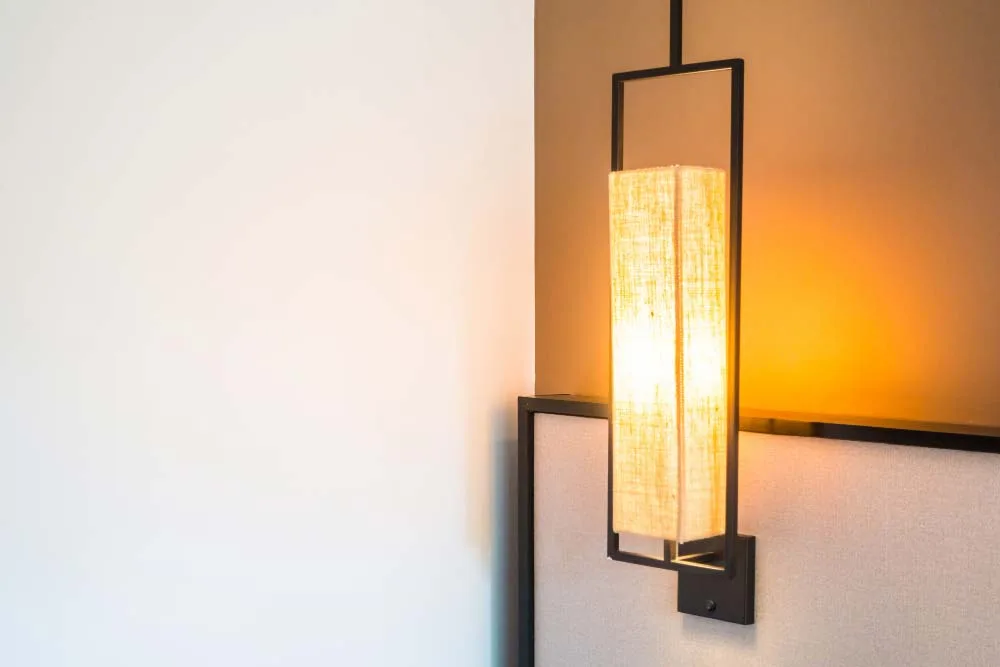
The relationship between acrylic sheet and light is one of those material properties that seems almost designed rather than discovered. Acrylic transmits light at 92%: better than standard glass. It guides light along its edges through total internal reflection, creating the glow-from-within effect that makes edge-lit signs so visually striking. It diffuses light evenly when made in opal formulations, turning harsh LED point sources into smooth, uniform illumination. And it handles outdoor UV exposure, year-round temperature swings, and the demands of commercial lighting environments without degrading, provided you specify the right grade.
For Canadian sign makers, lighting designers, architects, and commercial fabricators, understanding how acrylic interacts with light isn't just interesting material science: it directly determines whether a lighting or signage installation looks professional or amateur. For the commercial context in which these techniques are deployed, see our top uses for plexiglass sheets in Canada and our deep-dive on interactive light art installations.
How Acrylic Handles Light: The Physics Behind It
Acrylic (PMMA) achieves its optical properties because of how its molecular structure interacts with visible light wavelengths. The polymer chains in cast acrylic are arranged in a way that allows photons to pass through with minimal scattering: hence the 92% light transmission figure for clear grades.
This transmission figure matters in practice. In a standard 4-metre-high retail space with ceiling-mounted LED panels, a slight improvement in diffuser transmission means you can achieve the same lux level on the floor with fewer fixtures or lower power. Over a commercial building's lifetime, this compounds into meaningful energy savings.
The edge-lighting behavior is a result of total internal reflection: the same phenomenon that allows fiber optic cables to transmit light over long distances. When light enters a clear acrylic panel through the edge, it bounces between the panel faces at angles that prevent it from escaping through the face: instead, it travels laterally through the panel and exits where the surface is disrupted (engravings, cutouts, frosted areas). This is what makes edge-lit signs and illuminated acrylic panels glow uniformly from what appears to be a very small light source at the edge.
Applications: Where Acrylic and Light Work Together
Backlit Signage: The Opal Acrylic Standard
Backlit signs (menu boards, illuminated fascia signs, lightbox displays, branded cabinets) require a front face material that transmits light from LEDs behind the panel while diffusing it evenly across the face. This is what opal acrylic (also called diffuser acrylic or milky white acrylic) does. A fully opaque substrate like PVC foam board cannot light up at all, which is the heart of the PVC foam board vs acrylic for signs decision.
The challenge in backlit sign fabrication is avoiding "hot spots": the visible points of brightness directly in front of each LED that destroy the smooth, professional appearance of a well-executed sign. The solution is either sufficient LED-to-face distance (which adds depth to the sign cabinet and requires more cabinet material) or a diffuser with sufficient scattering to spread the light before it reaches the viewer.
Different opal acrylic grades achieve different diffusion levels. A light diffuser (low-density opal) transmits more total light but scatters less: better for LED arrays with tight pitch (LEDs spaced close together). A heavy diffuser scatters more aggressively but reduces total transmission: appropriate for coarser LED arrays or applications where you need a very even face brightness at some loss of total output.
In Canada, P95 is the grade most often specified for this work (or equivalent specifications from different manufacturers). Worth knowing before you compare data sheets: P95 is a surface texture rather than a diffuser mixed through the sheet, so its behaviour barely changes with thickness, while a bead-diffused sheet loses transmission as it gets thicker. Our guide to frosted acrylic sheet and P95 privacy panels sets out that difference with the manufacturer's own figures.


Edge-Lit Signs: The High-Impact Visual Effect
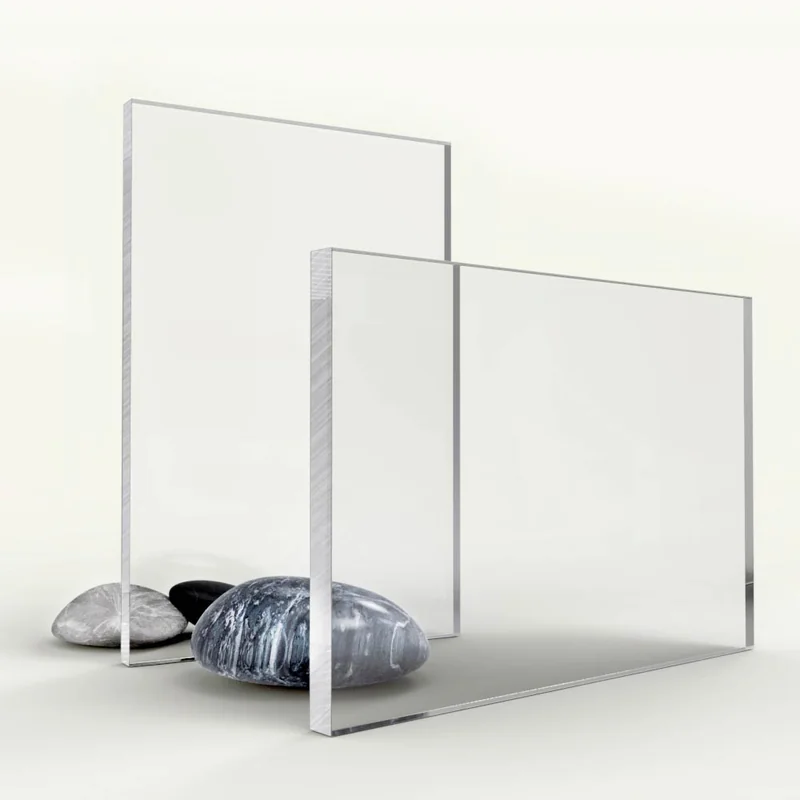
Edge-lit acrylic is one of the most visually effective and recognizable signage techniques in contemporary commercial environments. The design aesthetic (a clear panel that appears to glow from within at engraved areas while remaining nearly invisible elsewhere) creates a premium look that reads as significantly more expensive than it actually is to produce.
The technique: LEDs are installed along one or more edges of a clear cast acrylic panel (in a channel, frame, or aluminum profile). The laser-engraved graphics on the panel face are disrupted surfaces that scatter the light outward, making the engraved areas visible as glowing elements while the surrounding clear area remains dark.
Critical details for quality edge-lit signs:
- Use cast acrylic only. Extruded acrylic produces inconsistent light propagation. Cast acrylic's uniform molecular structure guides light evenly.
- Polish the edges where LEDs enter. A machine-polished or flame-polished edge maximizes light entry efficiency. Saw-cut edges are relatively inefficient.
- Match LED color temperature to the acrylic. Blue-tinted LED with a warm white acrylic panel looks off; use matched temperature for optimal visual quality.
- Use the correct laser settings for the engravings. Engravings that are too shallow won't scatter enough light; too deep can create uneven brightness.
LED Panel Diffusers: The Invisible Component
Acrylic light diffuser sheet is the material inside most commercial LED panel lights, but most people have no idea it's there. When you look at a flat LED panel ceiling light, the smooth, even light you see is produced by an array of LEDs behind a diffuser sheet that spreads the light evenly before it reaches your eyes.
This is a high-performance application for acrylic. The material needs to:
- Maintain high total transmission (every percentage point of transmission loss reduces fixture efficiency)
- Produce very high uniformity at the target viewing distance
- Maintain its optical properties across the temperature range inside the fixture
- Not yellow or degrade over the 50,000+ hour lifetime of the LED components
Clear diffuser grades (slightly hazy cast acrylic rather than fully opaque opal) are used in fixtures where maximum total transmission is a priority. Opal grades in various diffusion levels are used where uniformity takes priority over transmission efficiency.
Windows, Skylights, and Daylighting
Clear cast acrylic's 92% light transmission makes it better than glass at bringing natural daylight into spaces, relevant for residential and commercial daylighting applications. The material's lighter weight (vs. glass) and impact resistance are additional advantages for overhead glazing where glass breakage would be hazardous.
UV-filtered acrylic glazing adds another dimension: the material can be formulated to block UV wavelengths that cause fading of interior furnishings while still transmitting visible light. This makes UV-filtered cast acrylic an excellent choice for museums, art storage facilities, retail environments with valuable merchandise, and residential spaces with significant furniture investment.
Energy Efficiency: Why Acrylic Matters for LED Lighting
The shift from fluorescent and HID lighting to LED across Canadian commercial buildings has significantly increased the importance of optical component quality in lighting systems. In an LED system, the optical efficiency of every component (fixture housing, reflector, diffuser, lens) directly determines how much of the LED's light output actually reaches the illuminated surface.
A diffuser with 89% transmission vs. 93% transmission might seem like a minor difference, but across a commercial building with hundreds of fixtures operating for thousands of hours per year, that 4% difference represents real energy consumption and real operating cost.
For Canadian building operators subject to energy efficiency requirements (ASHRAE 90.1, provincial energy codes), specifying higher-transmission diffuser grades in LED luminaires is one of the lower-effort improvements available.
Acrylic Lighting Demand Growth in Canada
The continued transition to LED lighting systems across Canadian commercial construction is a steady growth driver for acrylic diffuser and optical component demand.
Selecting the Right Acrylic Grade for Your Lighting Application
| Application | Recommended Grade | Key Properties |
|---|---|---|
| Backlit sign (standard LED pitch) | Opal diffuser, P95 equivalent | Medium diffusion, good transmission |
| Backlit sign (dense LED array) | Light diffuser | Lower diffusion, maximum transmission |
| Backlit sign (coarse LED array) | Heavy diffuser | High diffusion, accepts hot spot |
| Edge-lit sign | Clear cast acrylic | Maximum light propagation, polished edges |
| LED panel luminaire | Clear diffuser or light opal | High transmission, adequate uniformity |
| Skylight / daylighting | UV-stabilized clear cast | High transmission, UV filtering |
| Greenhouse glazing | UV-stabilized cast | Light transmission + weather resistance |
Where to Source Acrylic for Lighting Applications in Canada
FIDAR System stocks opal diffuser acrylic (P95 and similar grades), clear cast acrylic for edge-lit applications, and UV-stabilized grades for daylighting applications. We serve sign shops, lighting fabricators, and commercial buyers from our North York, Toronto warehouse with Canada-wide shipping.
TORONTO: Unit 29, 601 Magnetic Drive, North York, ON, M3J 3J2 Phone: +1 (416) 857-7555 Sales: +1 (416) 726-2428 Email: info@fidarsystem.com
Related Resources
Further reading from FIDAR System:
- Complete Guide to Buying Acrylic Sheets in Canada: cast vs extruded, diffuser grades, thickness, and pricing for lighting-grade acrylic
- Honeycomb Composite Panels in Canada: the structural translucent panel used for large backlit feature walls, with LED setback guidance
- Bencore Lightben panels: thousands of clear polycarbonate cylinders between acrylic skins, made for backlit walls and quoted by FIDAR as Bencore's Canadian dealer; the whole range is on the Bencore pages
- Top Uses for Plexiglass Sheets in Canada: the full spectrum of plexiglass applications across industries
- Innovative Uses of Acrylic Sheets: Interactive Light Art: advanced interactive and sound-reactive installations
- Acrylic in Architecture and Art: architectural lighting design with acrylic sheet in Canadian projects
- Making Money with Modular Interior Design Using Acrylic: commercial opportunities in acrylic lighting products and installations
- The Future of Acrylic Sheets in the Technological World: photonics and next-generation acrylic lighting applications
Lighting industry references:
- Illuminating Engineering Society (IES): professional lighting design standards, photometric specifications, and IES LM files for luminaire testing
- Natural Resources Canada: energy efficiency standards and LED technology guidance for Canadian commercial lighting applications
Frequently Asked Questions
Written by
M.Arch, RAIC Associate · 9 yrs architectural specification
David is an RAIC Associate with 9 years of experience specifying architectural plastics for commercial and residential projects across Canada. His work bridges material science and aesthetic application, helping designers and contractors choose the right panel systems for every build.
Reader Reviews
Loading reviews…