Inspiration

How to Color Acrylic Plastic (Plexiglass)? – A Complete Guide for Professional Results!

How to Color Acrylic Plastic (Plexiglass)? – A Complete Guide for Professional Results!

Understanding how to color acrylic plastic is essential for designers, fabricators, and manufacturers who want custom visual effects without compromising material quality. Acrylic is widely used in signage, retail displays, architectural panels, and decorative installations because of its clarity and durability. However, achieving a clean, long-lasting color finish requires the right techniques and materials.

At Fidar System, we supply high-quality acrylic sheets and plastic materials across Canada, helping professionals choose the right solution—whether coloring existing acrylic or purchasing pre-colored sheets.

What Is Acrylic Plastic?

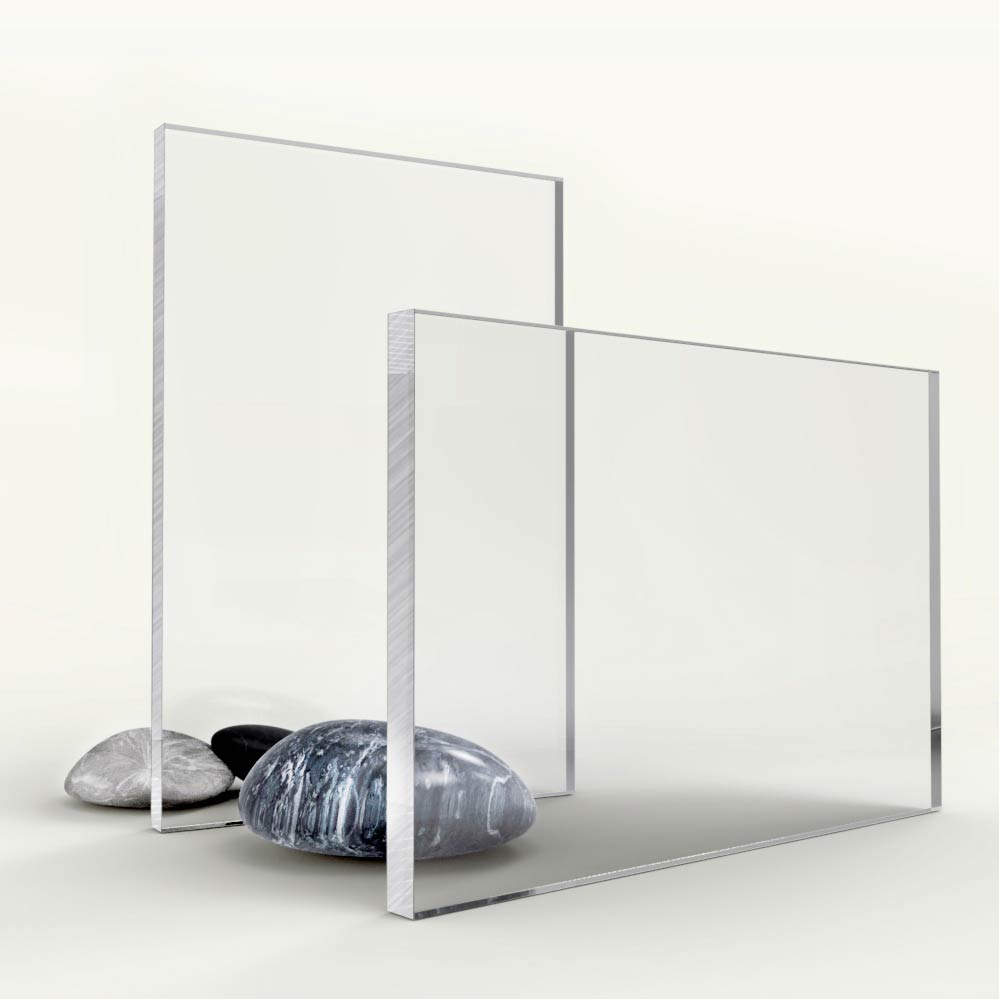
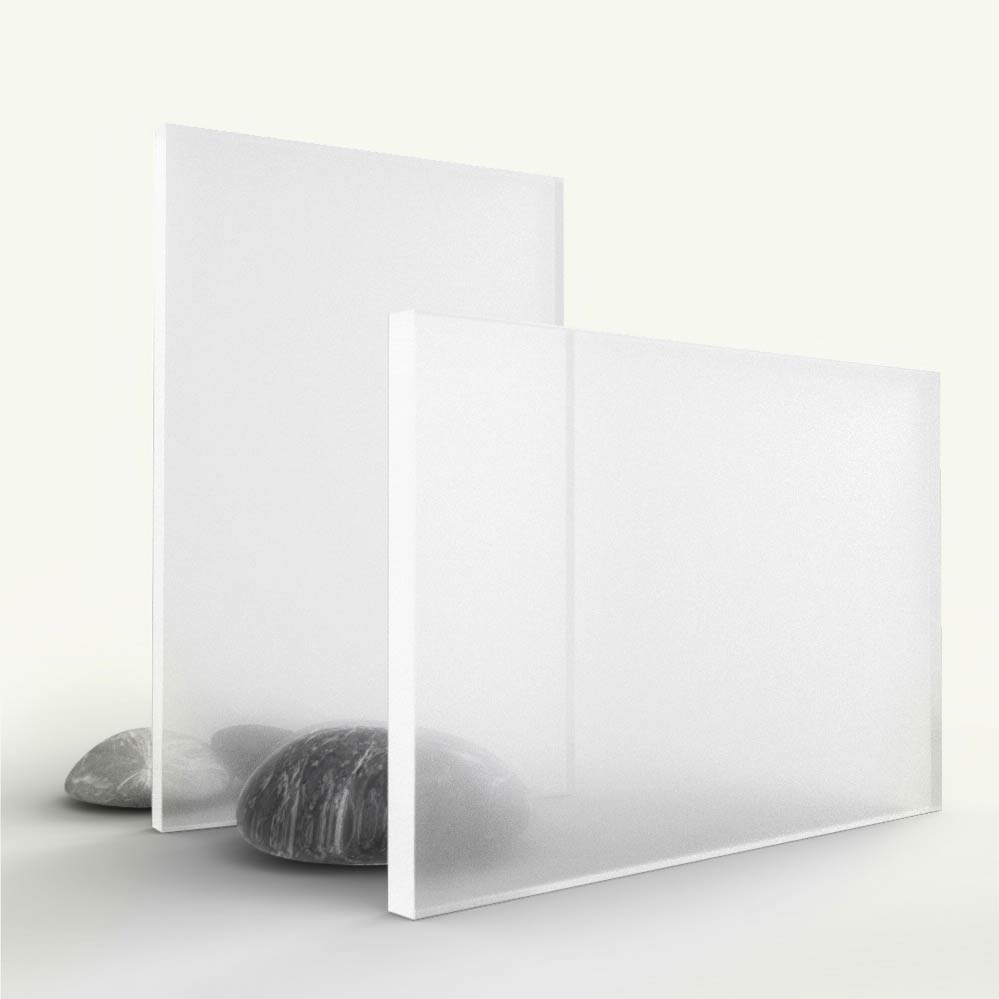
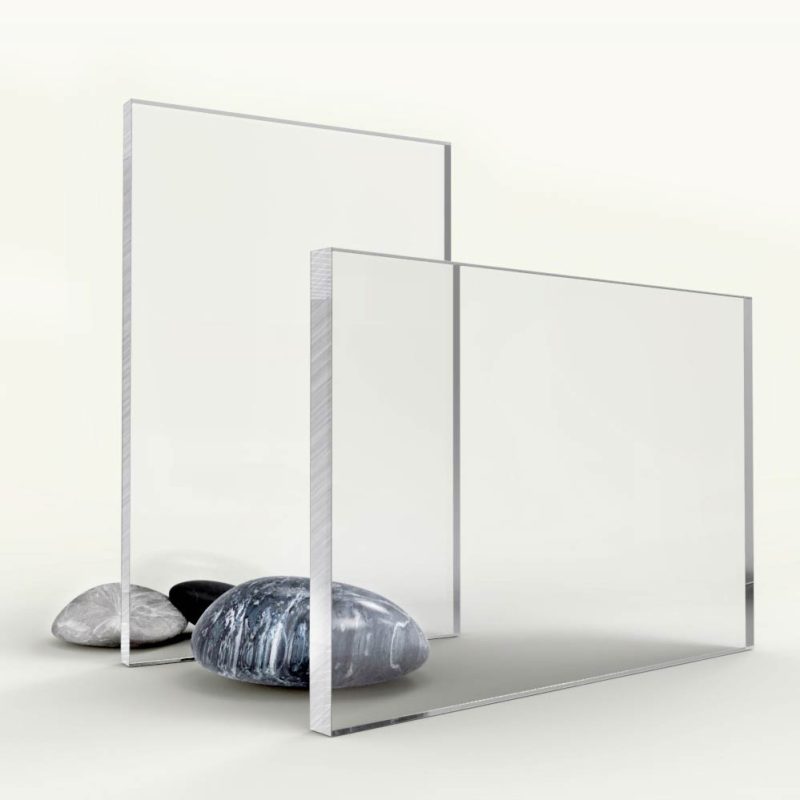
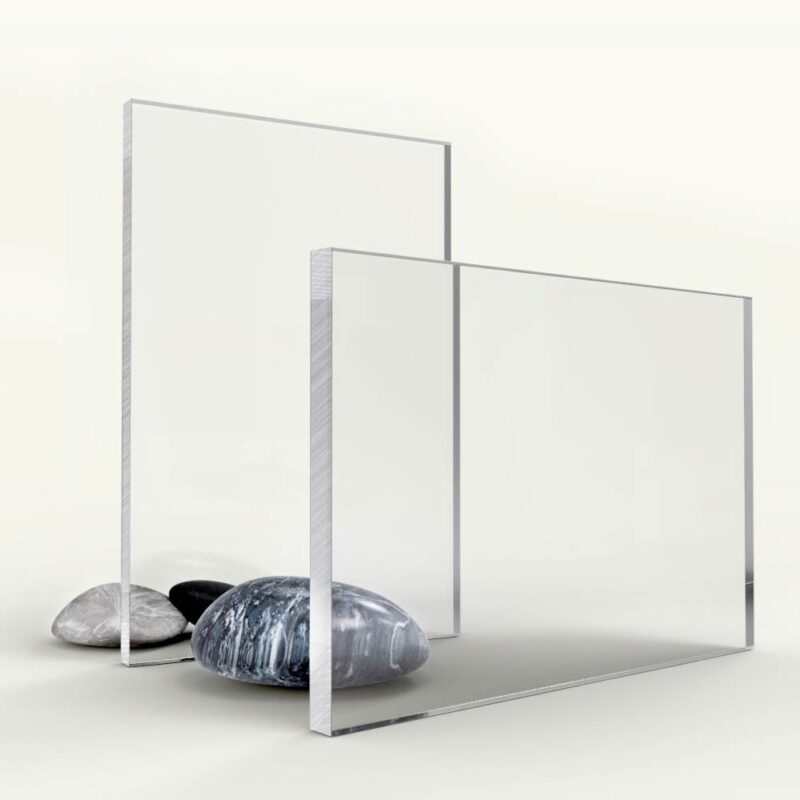
Acrylic plastic, also known as PMMA (polymethyl methacrylate) or Plexiglass, is a transparent thermoplastic known for its strength, clarity, and lightweight properties. It is commonly available in sheets, rods, and tubes, including thin plastic sheets used in decorative and lightweight applications.

Because acrylic is non-porous and smooth, coloring it requires proper surface preparation and compatible paints or dyes.

Methods for Coloring Acrylic Plastic

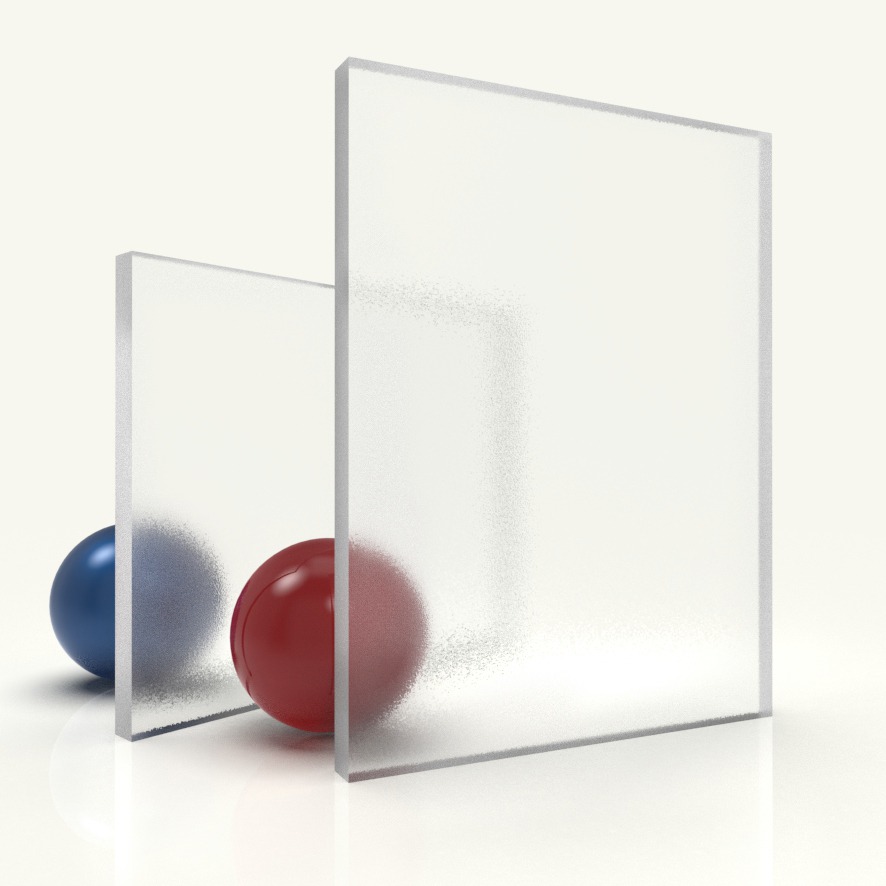
There are several effective methods when learning how to color acrylic plastic. The best method depends on whether the material is clear, frosted, or already colored.

  1. Surface Painting

One of the most common methods is applying acrylic-based paint designed specifically for plastics.

Steps include:

  • Cleaning the surface thoroughly
  • Lightly sanding for adhesion
  • Applying plastic primer
  • Spraying or brushing paint evenly
  • Sealing with a protective clear coat

This method works well for thin plastic sheets and decorative panels.

  1. Spray Tinting for Transparent Effects

For projects requiring light transmission, spray tinting is preferred. Transparent spray paints allow light to pass through while adding color. This technique is often used for illuminated signage and LED panels.

  1. Dyeing Acrylic (Industrial Method)

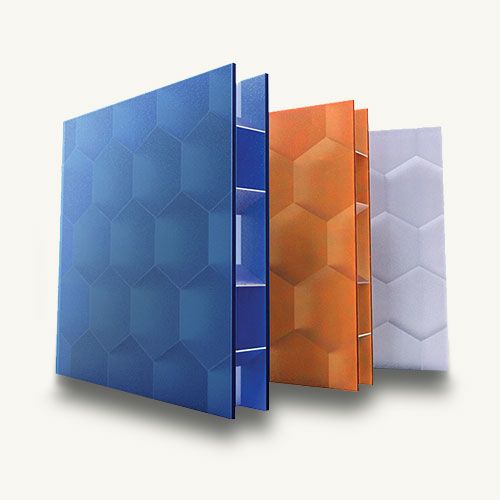
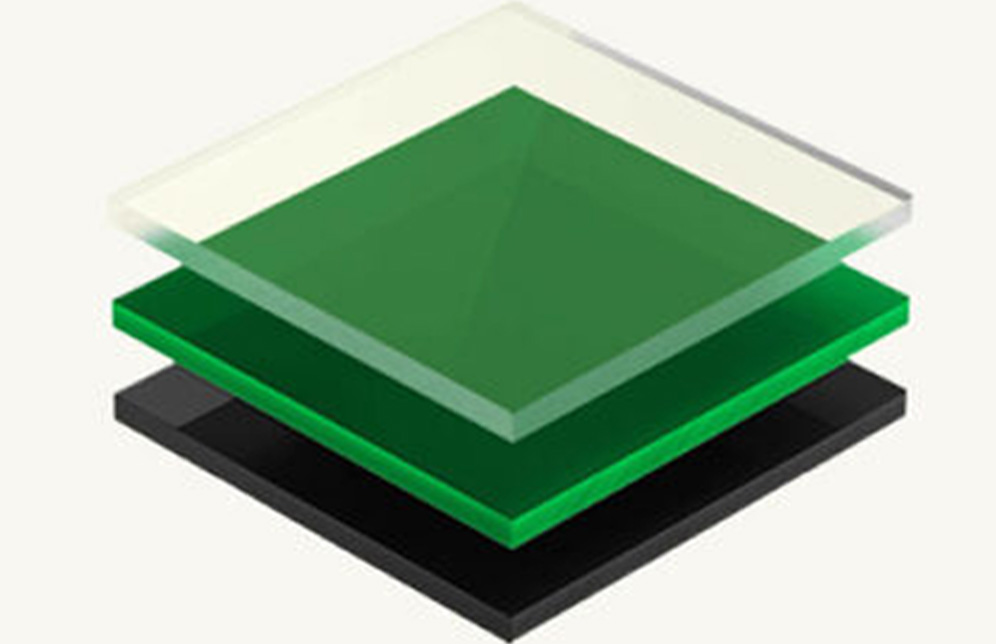
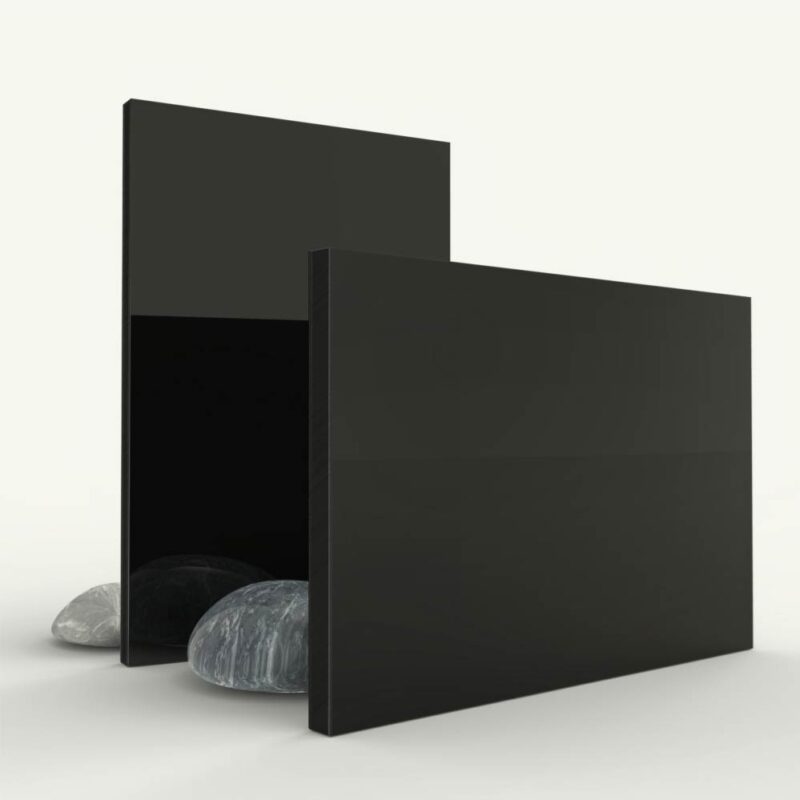
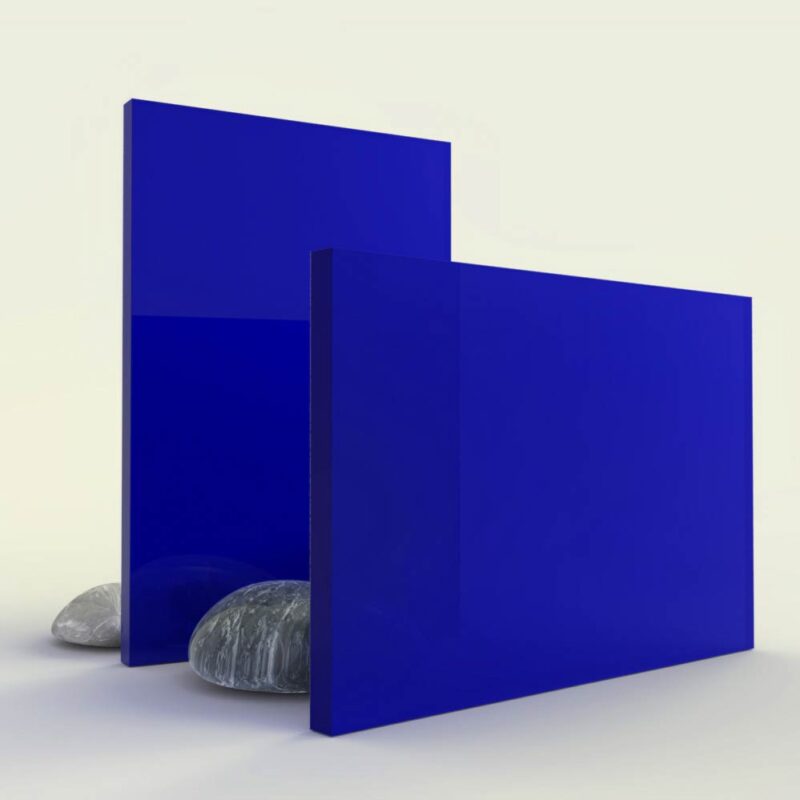
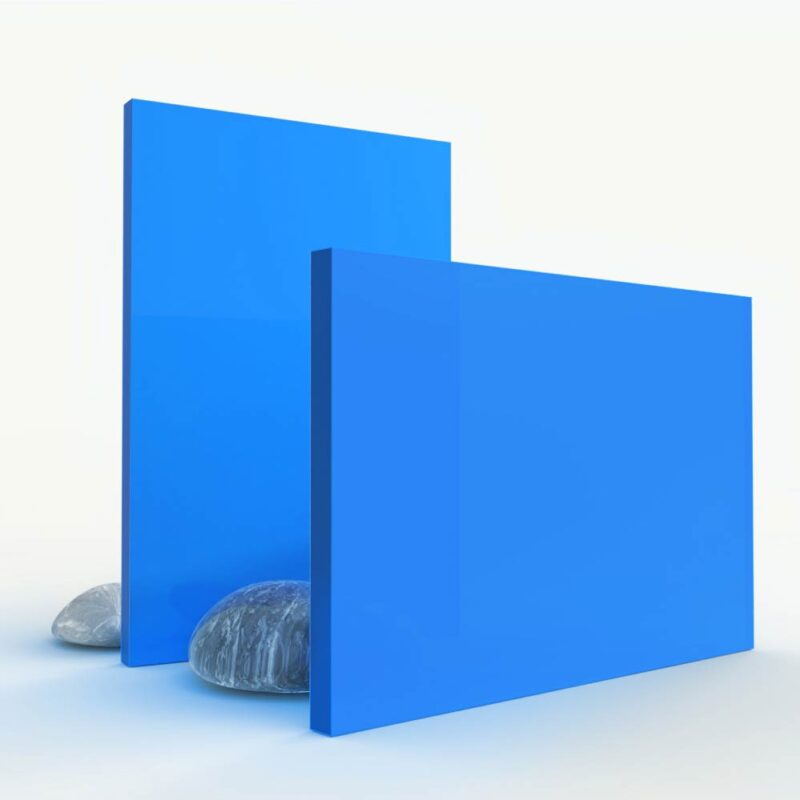
In professional environments, acrylic can be dyed during manufacturing. This is how pre-colored sheets are produced. The pigment is integrated into the material, ensuring uniform color throughout the entire thickness.

This method provides better durability than surface painting.

Challenges When Coloring Acrylic

Although coloring acrylic is possible, there are common challenges:

  • Paint adhesion issues
  • Peeling or chipping over time
  • Uneven surface coverage
  • Reduced clarity in transparent applications

Because acrylic has a smooth surface, improper preparation may lead to poor bonding.

Acrylic Coloring vs Buying Pre-Colored Sheets

Many users researching how to color acrylic plastic eventually realize that purchasing professionally manufactured colored sheets provides better long-term results.

Pre-colored acrylic offers:

  • Uniform color distribution
  • No peeling or surface wear
  • Higher UV resistance
  • Professional surface finish
  • Time savings during fabrication

Instead of manually coloring thin plastic sheets, using factory-colored acrylic ensures consistent performance.

When to Use Thin Plastic Sheets

Thin plastic sheets are commonly selected for applications where lightweight structure, flexibility, and ease of installation are priorities. Because of their reduced thickness, these sheets are easier to cut, transport, and mount, making them practical for temporary or decorative installations.

Thin plastic sheets are often used in:

Decorative wall panels for retail interiors and exhibition booths
Sign backings where structural load is minimal
Lightweight display elements in point-of-purchase systems
Interior partitions and protective dividers
Craft, DIY, and small fabrication projects

In projects where cost efficiency and low structural demand are the main considerations, thin sheets can provide a convenient solution. However, when appearance, color uniformity, and long-term durability are critical, material selection becomes more important.

If color consistency, UV stability, and surface quality are essential—especially in visible-edge or high-traffic environments—selecting professionally manufactured colored acrylic sheets is often more reliable than applying paint manually to thin plastic sheets. Factory-colored acrylic integrates pigment throughout the entire thickness, ensuring uniform tone even after cutting or machining.

For commercial signage, architectural features, and branded installations, professionally colored acrylic typically delivers superior performance, aesthetic refinement, and long-term value compared to manually painted thin plastic alternatives.

Professional Tips for Long-Lasting Color

If you choose to color acrylic manually, following proper preparation and application techniques is essential to achieve a durable and visually consistent finish. Because acrylic has a smooth, non-porous surface, paint adhesion depends heavily on surface preparation and correct material selection.

To improve long-term results:

Use paints specifically formulated for plastics, preferably acrylic-based or solvent-compatible coatings
Clean the surface thoroughly with isopropyl alcohol to remove dust, oils, and residues
Lightly sand the surface with fine-grit sandpaper to improve adhesion
Apply multiple thin coats instead of one thick layer to prevent runs and uneven coverage
Allow proper curing time between coats and before handling
Seal with a protective clear coat for additional durability
Avoid scratching or mechanical stress during installation

Keep in mind that even with careful preparation, manually painted acrylic may still be prone to peeling, surface wear, or uneven fading over time—especially in high-traffic or UV-exposed environments.

For commercial, architectural, or high-visibility projects, factory-colored acrylic typically provides better long-term durability and more consistent visual results. Professionally manufactured colored sheets integrate pigment throughout the material, eliminating surface coating risks and ensuring reliable performance during fabrication and installation.

Why Choose Fidar System for Colored Acrylic Solutions?

At Fidar System, we supply high-quality acrylic sheets manufactured to meet professional commercial and industrial standards across Canada. While learning how to color acrylic plastic can be useful for small DIY projects, many designers, fabricators, and contractors prefer ready-made colored acrylic sheets to ensure long-term consistency and performance.

Our professionally manufactured colored acrylic solutions offer:

  • Consistent appearance, with uniform pigmentation throughout the entire sheet thickness
    Long-term durability, eliminating risks of peeling, chipping, or uneven fading
    Improved UV resistance, helping maintain color stability over time
    Reliable fabrication performance, including clean laser cutting and CNC routing
    Dimensional accuracy, ensuring smooth installation and predictable results

Unlike manually painted thin plastic sheets, factory-colored acrylic maintains its finish even after cutting, drilling, or edge polishing. This is particularly important for visible-edge installations in retail displays, illuminated signage, and architectural applications where surface quality directly affects the final presentation.

We support professionals working in retail design, signage production, architectural cladding, interior design, and industrial fabrication. By choosing Fidar System, customers benefit from consistent material supply, dependable quality control, and acrylic solutions engineered for long-term project success.

Conclusion

Learning how to color acrylic plastic can be useful for small projects, but for professional applications, factory-colored acrylic sheets offer superior quality and longevity. Whether working with thin plastic sheets or structural panels, selecting the right material ensures long-term performance and visual consistency.

Frequently Asked Questions (FAQ)

Can acrylic plastic be painted?

Yes, but proper surface preparation is essential.

It can, but primer and correct paint selection are important.

For commercial applications, pre-colored sheets provide better durability.

Yes, but adhesion and long-term performance should be considered.

Leave a Reply