

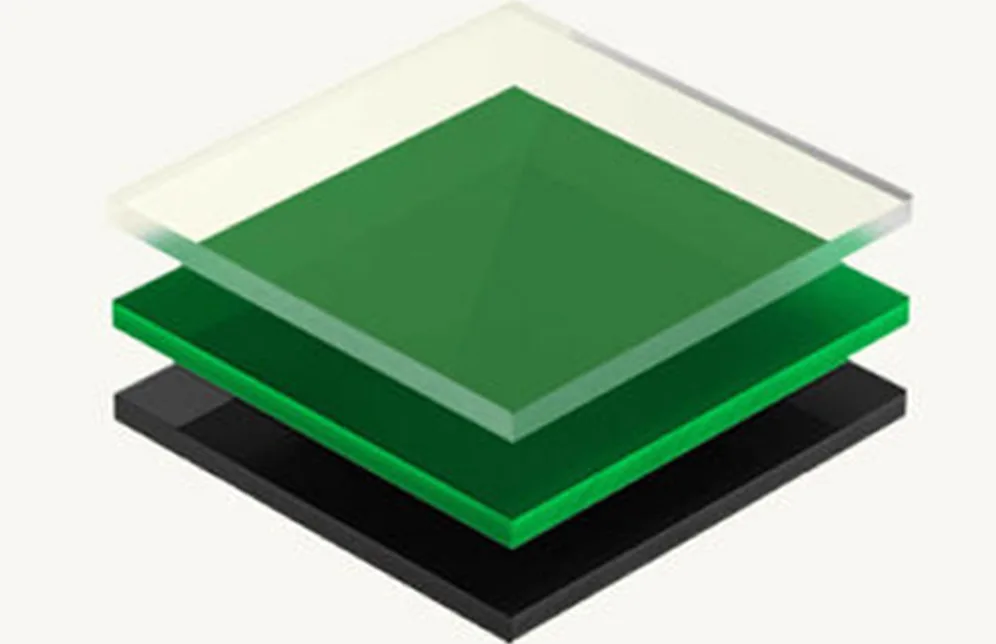
Coloring acrylic plastic is a question that comes up regularly from fabricators, sign makers, and DIY enthusiasts who have a clear acrylic sheet and need to add color to it. The honest answer is nuanced: you can color acrylic using several different methods, but the quality and durability of the result vary considerably depending on the method, the application, and the materials used. And for many professional applications, buying pre-colored acrylic from the outset is simply a better solution than attempting to paint clear sheet.
This guide covers all the practical methods for coloring acrylic, explains where each works well and where it falls short, and helps you decide whether to color it yourself or specify the color at the material selection stage. For context on what colored acrylic is used for commercially, see our top uses for plexiglass sheets in Canada.
Why Acrylic Is Challenging to Color
The same property that makes acrylic appealing (its smooth, non-porous surface) is what makes paint adhesion difficult. Standard paint formulations bond to materials by penetrating surface pores or adhering mechanically to surface texture. Acrylic has neither. The surface is essentially chemically inert and physically smooth, which means paint sits on top rather than bonding into the material.
The result, without proper preparation, is paint that peels or flakes with time, use, temperature cycling, or UV exposure. This isn't a flaw in the acrylic: it's a characteristic of the material that requires deliberate handling.
There's also the chemical sensitivity issue: acrylic is attacked by many solvents and some paints. Using an incompatible paint formulation on acrylic can cause crazing (fine surface cracks), discoloration, or physical distortion of the sheet. This rules out most solvent-based paints unless they're specifically formulated to be acrylic-safe.
Methods for Coloring Acrylic Plastic
Method 1: Surface Painting with Acrylic-Compatible Paint
The most accessible DIY method. Done correctly, it produces reasonable results for non-critical applications. The key variables are surface preparation, paint selection, and application technique.
Surface preparation:
- Clean the acrylic thoroughly with isopropyl alcohol (IPA) to remove oils, fingerprints, and manufacturing residue
- Allow to dry completely: any remaining IPA or moisture prevents adhesion
- Lightly sand with 400-grit wet/dry sandpaper to create mechanical tooth on the surface, just enough to dull the gloss without scratching deeply
- Wipe down again with IPA after sanding to remove dust
Paint selection: Use paints specifically designed for plastic surfaces. Krylon Fusion and Rust-Oleum 2X (both widely available at Canadian hardware stores) bond chemically to plastic surfaces and don't require separate primer for most applications. Acrylic-based latex paint also works with proper primer. Avoid solvent-heavy paints (lacquers, enamel) unless they're specifically labeled safe for acrylic.
Application:
- Apply in thin, even coats: 3-4 thin coats produce better adhesion and a smoother finish than 1-2 heavy coats
- Keep spray distance consistent (typically 30-40 cm for aerosol)
- Allow full drying between coats per the manufacturer's directions
- Apply a UV-protective clear coat as a final layer for outdoor applications
Limitations: Surface paint is susceptible to chipping, peeling, and scratching. It's appropriate for short-to-medium term applications and situations where the painted surface won't be handled frequently. Not appropriate for applications where the edge color matters (paint won't cover edges uniformly) or where UV exposure is significant over years.
Method 2: Back-Painting for Clean Face Color
For applications where the painted side won't be seen but the color needs to show through the clear face (typical in backlit signs, retail displays, and decorative panels), painting the back of a clear sheet is a cleaner technique than painting the face.
Apply paint to the back of the acrylic sheet using the same surface preparation and paint selection as above. The paint is protected by the acrylic face and won't be visible as a painted surface: the color appears to come from within the sheet. This technique produces a professional result in display and signage applications.
Method 3: Spray Tinting for Transparent Color Effects
For applications requiring color while maintaining light transmission (illuminated signs, colored architectural glazing, decorative screens), transparent spray tints are the method of choice. These are available in aerosol form from specialty art and craft suppliers, and from some sign supply companies.
The technique is the same as surface painting (clean, sand lightly, apply multiple thin coats), but the result is a translucent color layer that allows light to pass through while tinting what's visible. The amount of color depth is controlled by the number of coats.
Transparent tints work well for:
- Homemade colored LED panels
- Art and photography projects
- Small decorative architectural elements
- Sample or mockup of colored acrylic for client presentation
They're not appropriate for applications requiring precise, consistent color (commercial signage, branded displays) because achieving color consistency across sheets is difficult with manual spray application.
Method 4: Professional Dyeing
In industrial environments, acrylic can be dyed using specialized dye systems that penetrate the material surface slightly and bond with the PMMA polymer. This is primarily done in manufacturing environments (it's how factory-produced colored acrylic gets its color in some formulations), but specialty acrylic dye kits are available for in-shop use.
Professional dyeing produces more uniform results than surface painting and better UV resistance than painted finishes. It requires specialized chemicals and safety precautions (many acrylic dyes involve heated solvent baths or chemical dipping). It's not a practical technique for occasional use but is used by specialty fabricators and custom product manufacturers.
Pre-Colored Acrylic Sheet: The Better Choice for Commercial Work
For any application where professional quality, long-term durability, or color consistency matters, factory-colored acrylic sheet is the correct solution. Those colours are formulations with numbers attached, and the 52 colour codes our caster publishes are why reordering the same code two years later gets you the same sheet. The pigment is integrated throughout the full material thickness during manufacturing (not applied as a surface coating), which produces fundamentally better results:
Color goes all the way through. When you cut, route, or laser a pre-colored acrylic sheet, the cut edge is the same color as the face. With painted acrylic, the cut edge reveals the clear core, which is unacceptable for most commercial sign and display applications.
No peeling, no adhesion failure. Factory color is part of the material, not a coating on top. It can't peel, chip, or delaminate under handling or temperature cycling.
UV stability is designed in. Quality colored acrylic incorporates UV stabilizers in the formulation. The color maintains its intensity over years of UV exposure. Painted surfaces fade significantly faster.
Consistent color across sheets. Production batches of colored acrylic maintain consistent color: critical for multi-sheet installations, branded signage, and architectural applications where color matching across panels is essential.


Color Options in Pre-Colored Acrylic
Canadian plastic sheet suppliers typically stock a core range of colored acrylic and can order specialty colors. Common standard stock includes:
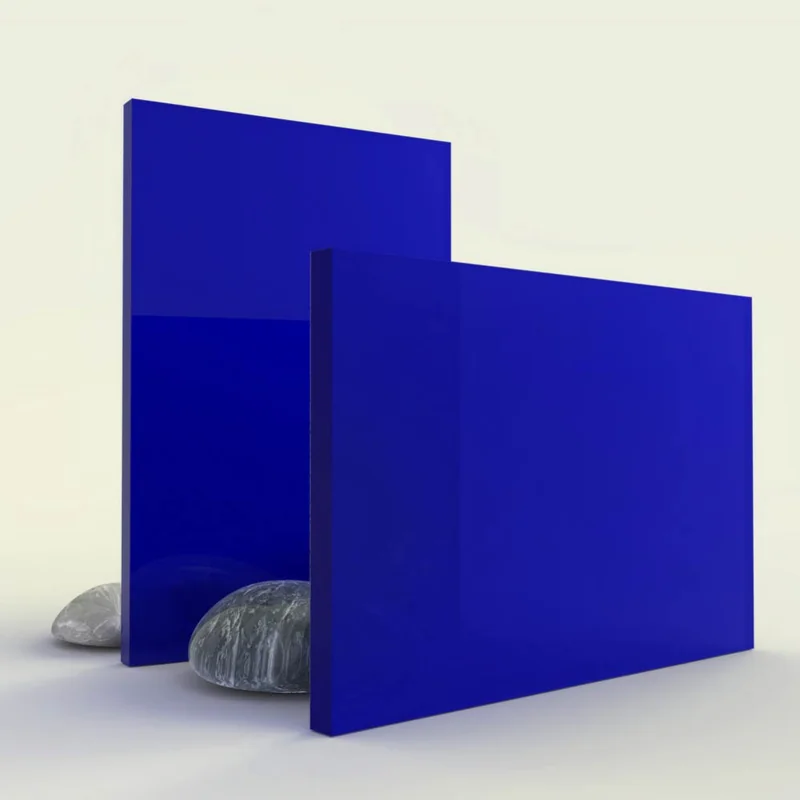
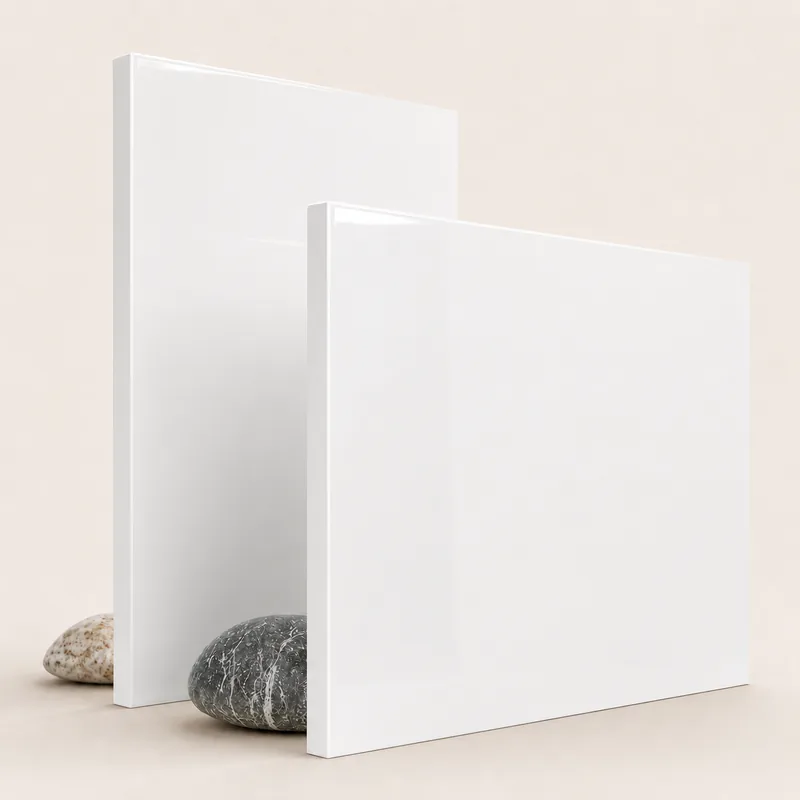
Opaque colors: Black, white, red, blue, yellow, green. The standard sign and display palette. These transmit no light and are used for non-illuminated signage, furniture, branded applications.
Transparent/translucent colors: Tinted sheets that transmit light while adding color. Red, blue, yellow, green, and many specialty tints. Used in illuminated signage, architectural light features, and decorative panels.
Pastel colors: Lighter, less saturated opaque colors popular in interior design, educational environments, and craft applications.
Specialty finishes: Glitter/sparkle, pearl, fluorescent, metallic, available from specialty suppliers for custom and craft applications.
Colored Acrylic Demand in Canada
Colored acrylic demand in Canada has grown consistently, driven by the expansion of laser fabrication businesses, branded retail environments, and the growing market for custom acrylic products and gifts.
Practical Application Guide: Which Method to Use?
| Situation | Recommended approach |
|---|---|
| Commercial signage | Buy pre-colored acrylic |
| Branded retail display | Buy pre-colored acrylic |
| Laser-cut products with colored edges | Buy pre-colored acrylic |
| DIY home project, short-term | Paint with plastic-compatible paint |
| Mock-up or sample for client | Transparent spray tint on clear |
| Illuminated sign, color all the way through | Buy colored transparent acrylic |
| Custom one-off color not available in stock | Paint with primer + plastic paint + UV clear coat |
| Outdoor, multi-year use | Buy UV-stabilized pre-colored acrylic |
Professional Tips for the Best Painted Finish on Acrylic
If painting acrylic is the right approach for your situation:
- Work in a clean, dust-free environment: dust in wet paint is the most common cause of poor finishes
- Apply primer designed for plastic before paint: improves adhesion significantly
- Use multiple thin coats, not fewer thick ones: prevents runs and improves adhesion
- Allow full cure (not just dry to touch) before handling: typically 24 hours minimum
- Apply UV-protective clear coat for any application with outdoor or UV exposure
- Handle painted acrylic carefully during installation: edges and corners are the most vulnerable points
Where to Source Colored Acrylic in Canada
FIDAR System stocks a comprehensive range of colored acrylic sheets in Toronto (opaque and transparent colors, pastel ranges, black and white in all common thicknesses) with Canada-wide shipping. For commercial production quantities, we offer volume pricing on high-moving standard colors.
TORONTO: Unit 29, 601 Magnetic Drive, North York, ON, M3J 3J2 Phone: +1 (416) 857-7555 Sales: +1 (416) 726-2428 Email: info@fidarsystem.com
Related Resources
Further reading from FIDAR System:
- Complete Guide to Buying Acrylic Sheets in Canada: choosing cast vs extruded and the right grade before you buy the acrylic you plan to colour
- Top Uses for Plexiglass Sheets in Canada: applications for colored acrylic in commercial, retail, and residential contexts
- Laser Cut Acrylic Sheets: DIY & Commercial Guide: laser engraving as a surface design alternative to painting
- Making Money with Modular Interior Design Using Acrylic: commercial applications for colored and custom acrylic products
- Interactive Light Art with Acrylic Sheets: how colored transparent acrylic creates dramatic lighting installations
Materials and professional references:
- Evonik PLEXIGLAS®: manufacturer's full range of colored, specialty-tinted, and transparent colored acrylic grades
- Society of Plastics Engineers (SPE): technical resources on plastics processing, coloring agents, and polymer material science
Frequently Asked Questions
Written by
Red Seal Fabricator · 15 yrs hands-on experience
James is a Red Seal certified fabricator with 15 years of practical experience cutting, shaping, and installing acrylic, PVC, and composite panels. He writes practical, tool-in-hand guides for sign shops, fabricators, and serious DIYers who want real answers from the shop floor.
Reader Reviews
Loading reviews…