

No articles in this category yet. Check back soon - we publish new guides weekly.
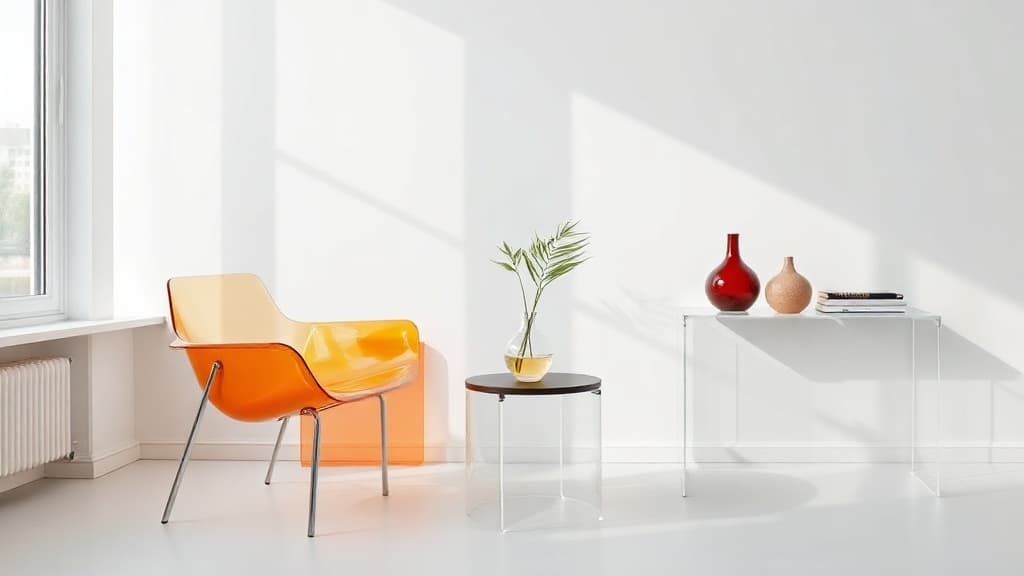
Acrylic furniture has moved from a design-forward novelty to a mainstream category in Canadian residential and commercial interiors. Clear acrylic table tops, ghost chairs, display pedestals, and floating shelving systems are now found in high-end furniture studios, boutique hotels, and contemporary homes across the GTA, Vancouver, and Calgary. The appeal is clear: acrylic delivers visual lightness that no other affordable material can - furniture that seems to float in a room, reflecting and transmitting light rather than occupying and blocking it.
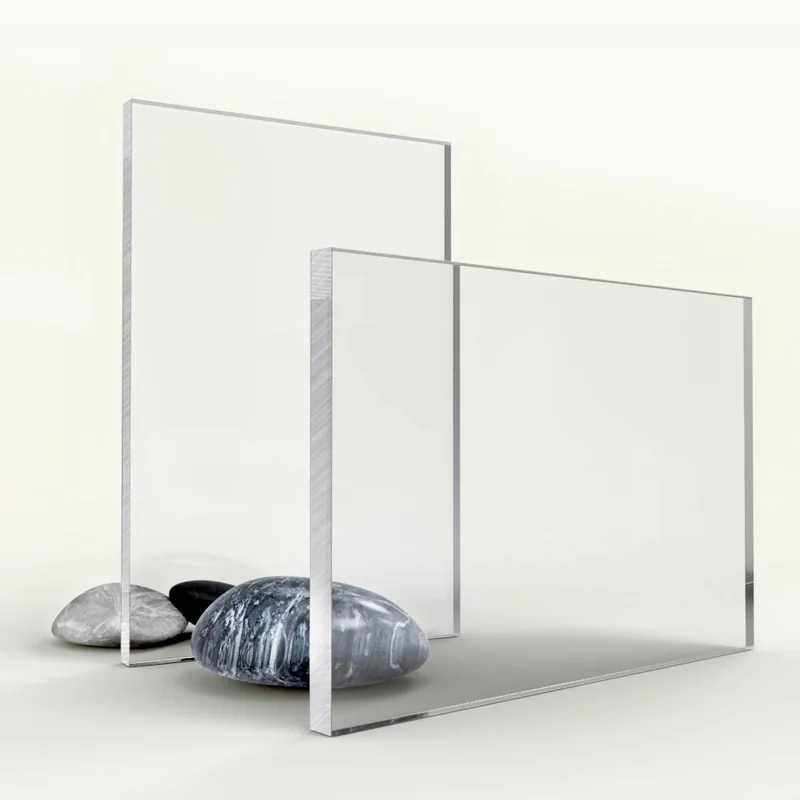
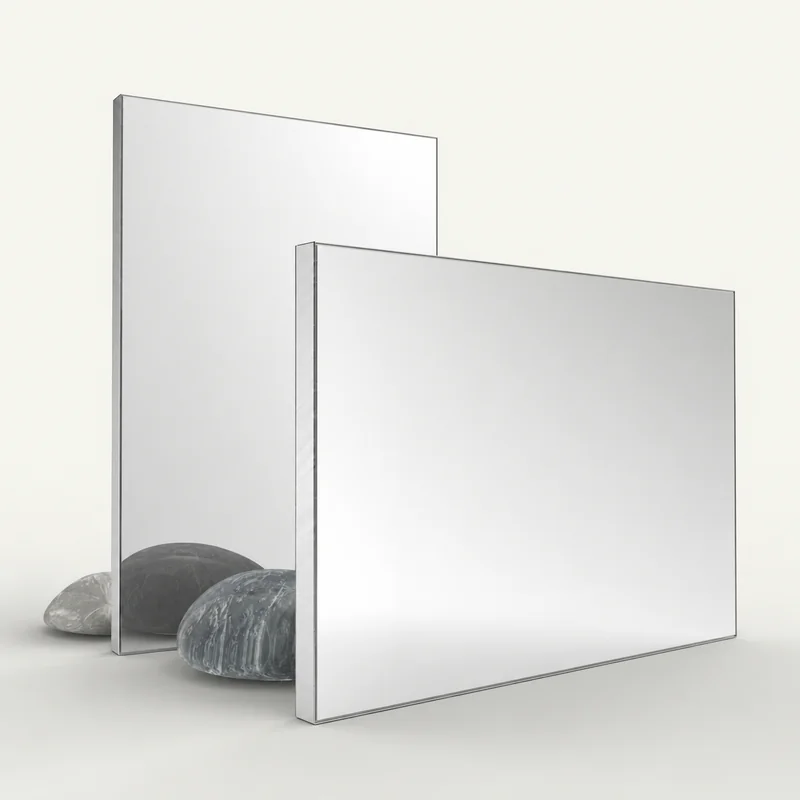
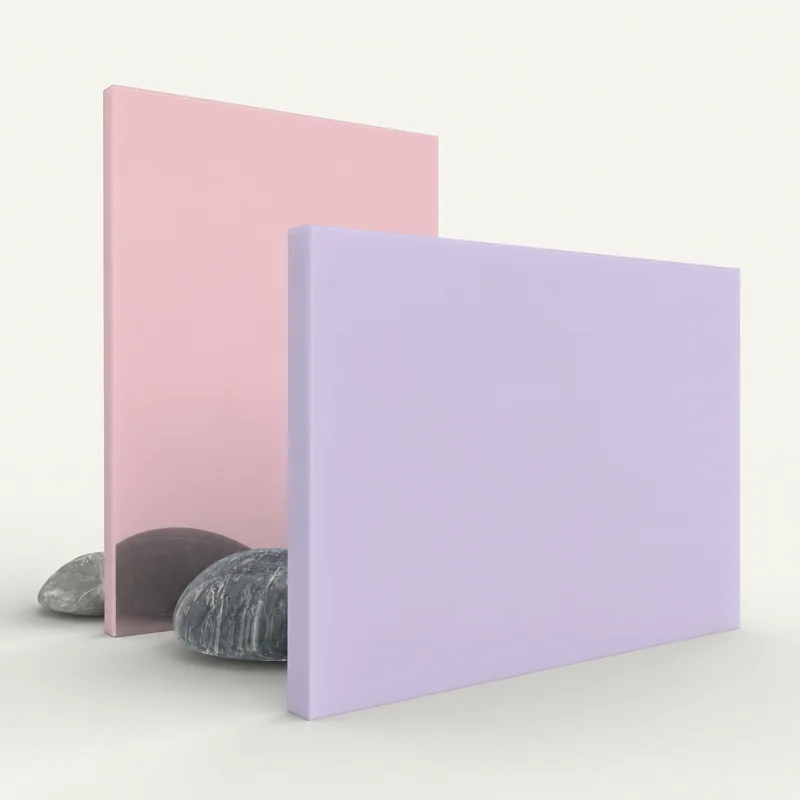
For furniture fabricators, designers, and custom makers sourcing acrylic sheets in Canada, FIDAR System provides the raw material: cast clear PMMA in thicknesses from 6mm to 25mm for structural furniture components, coloured acrylic for accent pieces, mirror acrylic (silver, gold, rose gold) for high-glamour furniture surfaces, and the new pastel matte range for contemporary soft-touch aesthetics. All available wholesale from our North York, Toronto warehouse - no minimum on most products, with custom cut-to-size service for bespoke furniture dimensions.
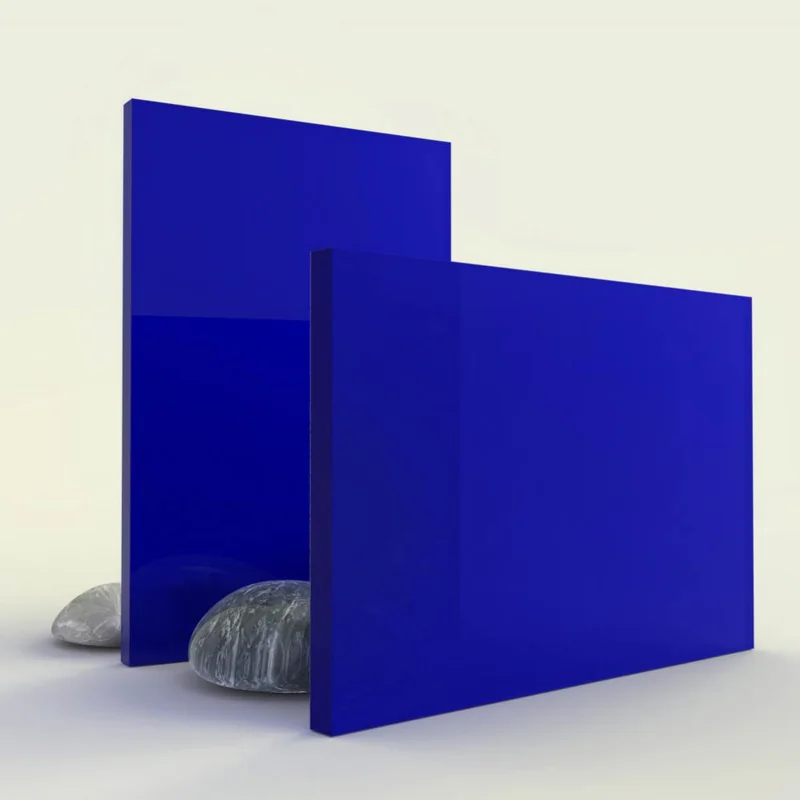
Acrylic Sheet Specifications for Furniture Fabrication
Clear Acrylic Table Tops and Protective Covers
Cast clear acrylic table tops are one of the most common furniture acrylic applications in Canada. At 10mm–15mm thickness, cast clear acrylic provides the structural stiffness needed for dining and coffee table applications while maintaining full transparency. The material is significantly lighter than glass at equivalent thickness - an 18mm cast clear acrylic panel for a 36"×72" dining table weighs approximately 22 kg, versus 45+ kg for tempered glass. Edges can be polished to optical clarity, left with a matte sanded finish, or bevelled for a premium furniture-grade appearance.
For desk and side table top applications, 6mm–9mm cast clear acrylic is the appropriate specification range. Custom cut-to-size service at FIDAR System eliminates the need for on-site cutting and delivers clean factory edges that are ready for immediate installation.
Ghost Chairs and Transparent Seating
Transparent acrylic "ghost" style chairs - popularized by Philippe Starck's Louis Ghost Chair - have inspired a generation of Canadian acrylic furniture fabricators. Production ghost chairs are injection-moulded polycarbonate; custom interpretations are built from 9mm–12mm cast clear acrylic panels joined with acrylic cement (solvent welding) or mechanical fasteners. The visual effect - occupant seemingly floating above the floor without obstruction - is unachievable with any other affordable material.
Mirror Acrylic Furniture Surfaces
Mirror acrylic is increasingly used as a furniture surface material - bonded to substrates as a premium facing, used as a drawer front, or fabricated into freestanding mirror furniture pieces. Gold mirror acrylic for glamorous bedside tables, silver mirror for feature hall console tables, and rose gold mirror for boutique display furniture are all growing applications in the Canadian interior design market. At under $180 for a full 4×8 ft silver mirror panel, the material cost of a mirror acrylic furniture piece is a fraction of comparable glass mirror furniture. View mirror acrylic pricing.
Coloured and Pastel Acrylic Cabinet Fronts and Shelving
The rise of bespoke kitchen and retail cabinetry has created demand for acrylic as a cabinet front material - particularly in coloured opaque and new pastel matte finishes. A set of vibrant orange or soft sage acrylic cabinet fronts creates a custom colour statement impossible to achieve with standard paint finishes, and acrylic's moisture resistance makes it suitable for kitchen environments where painted wood would bubble or peel. At 4.3mm–5.5mm, HHC coloured acrylic panels provide the right rigidity for standard cabinet door dimensions. Explore the pastel matte range.
Display Pedestals and Risers
Clear acrylic display pedestals and risers are staples of retail visual merchandising, museum display, and branded event environments. Standard boxes, cylinders, and custom-cut pedestals fabricated from 6mm–12mm cast clear acrylic provide a virtually invisible support structure that keeps the focus on the displayed object. Acrylic cement (solvent welding) creates molecularly fused joints that are optically clear and structurally sound - indistinguishable from a single piece of material.
Thickness Guide for Acrylic Furniture Components
| Component | Recommended Thickness | Notes |
|---|---|---|
| Coffee table top | 10 mm – 12 mm | Polished edges standard |
| Dining table top | 15 mm – 18 mm | Requires support base |
| Chair back/seat panels | 9 mm – 12 mm | Solvent welded joints |
| Floating shelving | 6 mm – 9 mm | Span max ~900 mm at 6mm |
| Cabinet fronts | 4.3 mm – 5.5 mm | Bonded or framed |
What thickness of acrylic do I need for a table top in Canada?
For a dining table top, 15mm–18mm cast clear acrylic is the appropriate specification - it provides sufficient stiffness for spans up to 1.5m without a support base underneath. For coffee tables and side tables, 10mm–12mm is the standard. For desk protector overlays placed over an existing surface, 3mm–6mm is adequate. All these thicknesses are available from FIDAR System with custom cut-to-size.
Can acrylic furniture be used outdoors in Canada?
With UV-stabilized cast acrylic, yes - outdoor furniture components can perform well in Canadian conditions. However, standard acrylic is not rated for sustained UV exposure and will yellow over time. For outdoor furniture applications, specify UV-stabilized cast acrylic and avoid direct contact with soil or prolonged standing water. Most acrylic furniture is intended for indoor or covered outdoor use.
How is acrylic furniture assembled - do you need special adhesive?
Acrylic furniture components are typically joined using acrylic solvent cement (methylene chloride-based or Weld-On 3/4). The solvent dissolves the acrylic surface at the joint, fusing the two pieces into a single seamless bond. When done correctly, the joint is optically clear and stronger than a mechanical fastener connection. Mechanical fastening (screws, bolts through drilled holes) is also used for furniture applications where disassembly is required.
Is acrylic furniture durable enough for everyday use?
Cast acrylic is impact-resistant and structurally sound for everyday furniture use at appropriate thicknesses. It scratches more easily than glass - the surface can be polished to remove light scratches using plastic polishing compound. Avoid using rough cloths or abrasive cleaners on acrylic furniture surfaces. For high-contact surfaces like table tops, an acrylic-specific protective coating (e.g., Novus Plastic Polish) provides an additional scratch-resistance layer.
Resources & Further Reading
External References
International design publication with extensive coverage of acrylic and transparent material furniture design and architecture projects.
Interior Furnishings & Design Association - industry standards and resources for Canadian furniture designers and specifiers.