

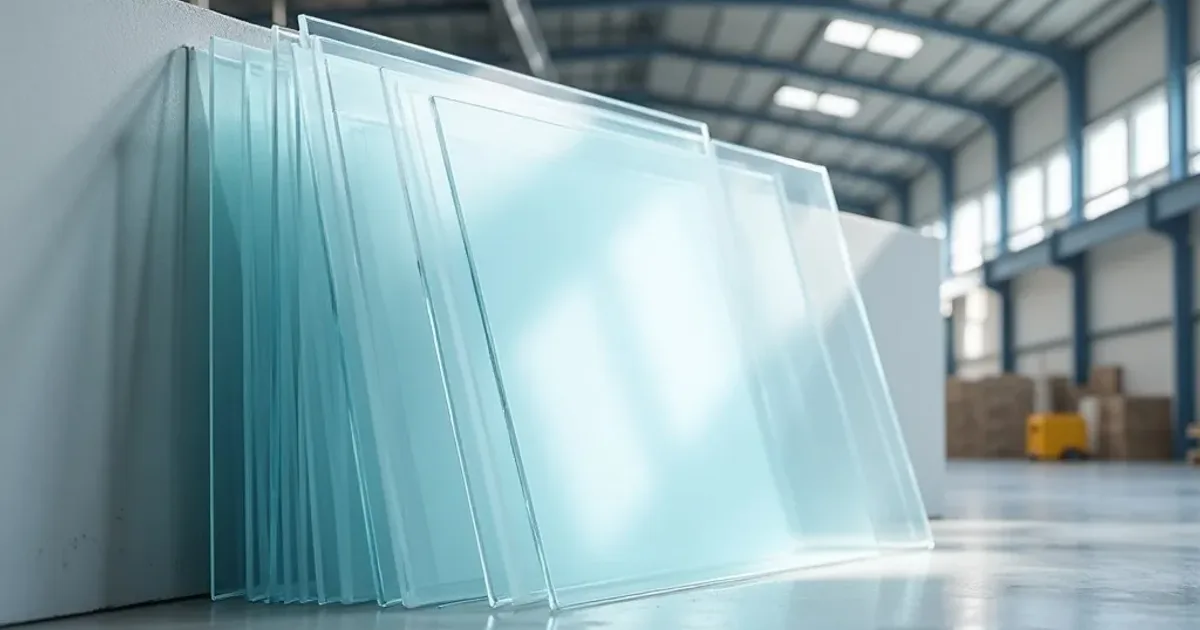
Polycarbonate sheets Canada buyers order for one primary reason: they need a clear panel that will not shatter. The material looks nearly identical to acrylic in a warehouse, transmits light at almost the same level, and comes in the same standard sheet formats. But polycarbonate is roughly 30 times more impact-resistant than acrylic and will bend rather than break under a strike that would crack a comparably thick acrylic panel.
That single property is why machine shops, transit authorities, construction contractors, and greenhouse operators across Canada specify polycarbonate sheets for applications where failure would cause injury or serious property damage. Polycarbonate sheets in Canada are used in CNC machine guards in Mississauga, bus shelter glazing in Vancouver, agricultural greenhouse roofing in the Fraser Valley, and skylight panels on commercial buildings from Halifax to Calgary.
This guide covers everything a Canadian buyer needs to make an informed decision: the difference between solid and multiwall formats, how to match thickness to application, real pricing from our North York warehouse, fabrication considerations, and the questions we hear most often from first-time customers.
If you are still deciding between polycarbonate and acrylic, our detailed comparison of acrylic vs. polycarbonate sheets in Canada covers the trade-offs by application. This guide focuses specifically on polycarbonate.
What Polycarbonate Sheet Actually Is
Polycarbonate (PC) is a thermoplastic polymer in the same broad family as acrylic and PVC, but with a very different performance profile. It is sold under brand names including Lexan (Sabic), Makrolon (Covestro), and Tuffak. If you arrived here searching for the brand name, our Lexan sheets in Canada guide covers what the name actually means and whether it matters when buying. The material characteristics that matter most to Canadian buyers are:
Impact resistance: Solid polycarbonate is rated at 250 times the impact resistance of glass and approximately 30 times that of acrylic. This is not a theoretical number. Machine guard panels made from 4.5mm polycarbonate regularly survive chip ejection events on CNC lathes that would shatter acrylic of the same thickness.
Temperature range: Polycarbonate remains impact-resistant from -40 degrees Celsius to +120 degrees Celsius. The lower limit is particularly relevant in Canada. Materials that perform adequately in a Toronto shop in August can become brittle and dangerous at a northern Alberta job site in January. Polycarbonate does not.
Optical clarity: Solid polycarbonate transmits approximately 88% of visible light. That is slightly less than cast acrylic at 92%, and the difference is visible side by side under strong light, but in most practical applications it is not a meaningful distinction.
Cold bendability: This is the property that separates polycarbonate from acrylic for many construction and architectural applications. Polycarbonate can be cold-bent on site without heating equipment. A 2mm sheet can be curved into a canopy without a strip heater or forming oven. Acrylic cannot.
Flammability: Solid polycarbonate is self-extinguishing (UL94 V-2 rating). It will not sustain a flame. This makes it the preferred material for machine guards in environments where fire safety regulations apply.
Solid vs. Multiwall Polycarbonate: Which Do You Need?
This is the first question to answer before ordering, because the two formats serve different purposes.
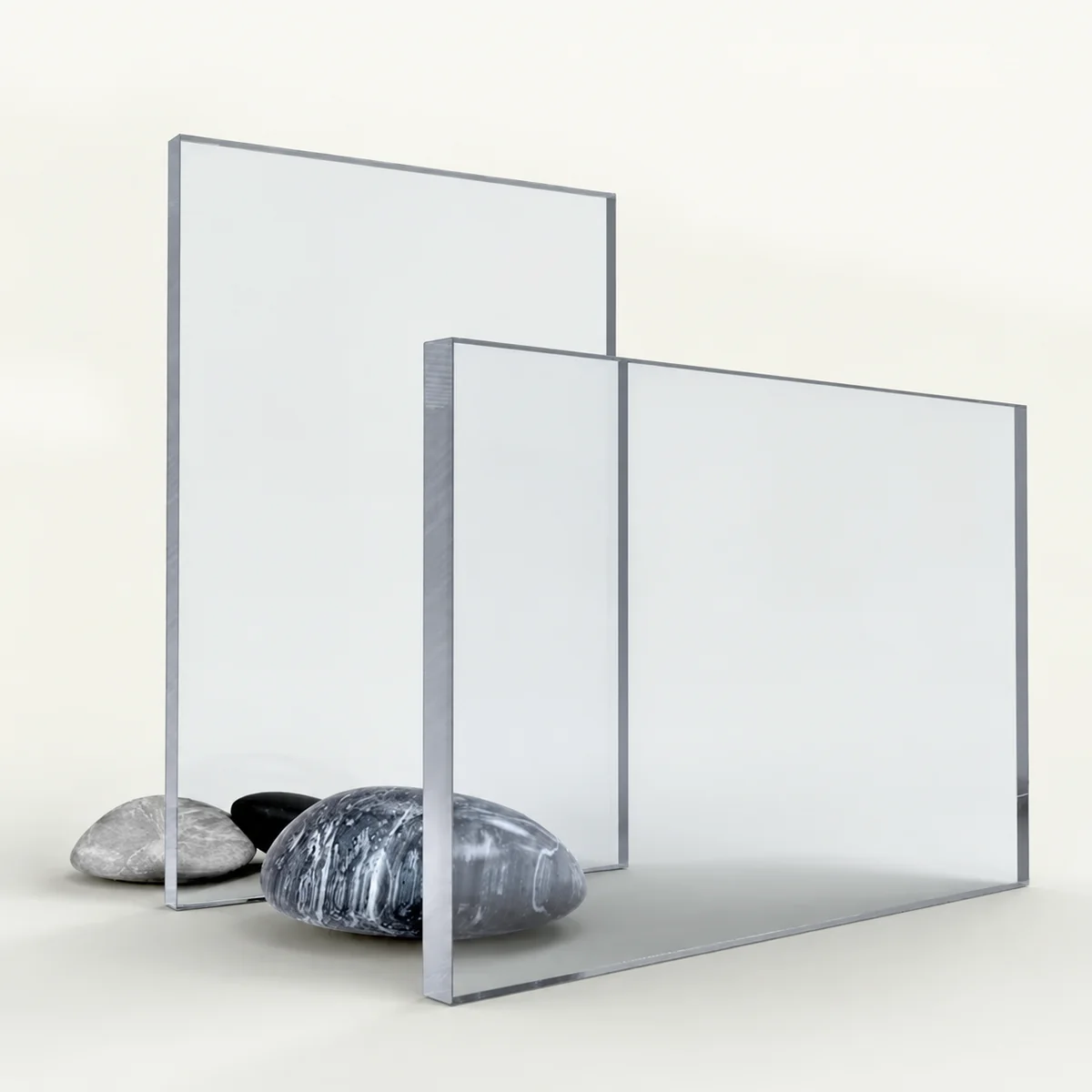
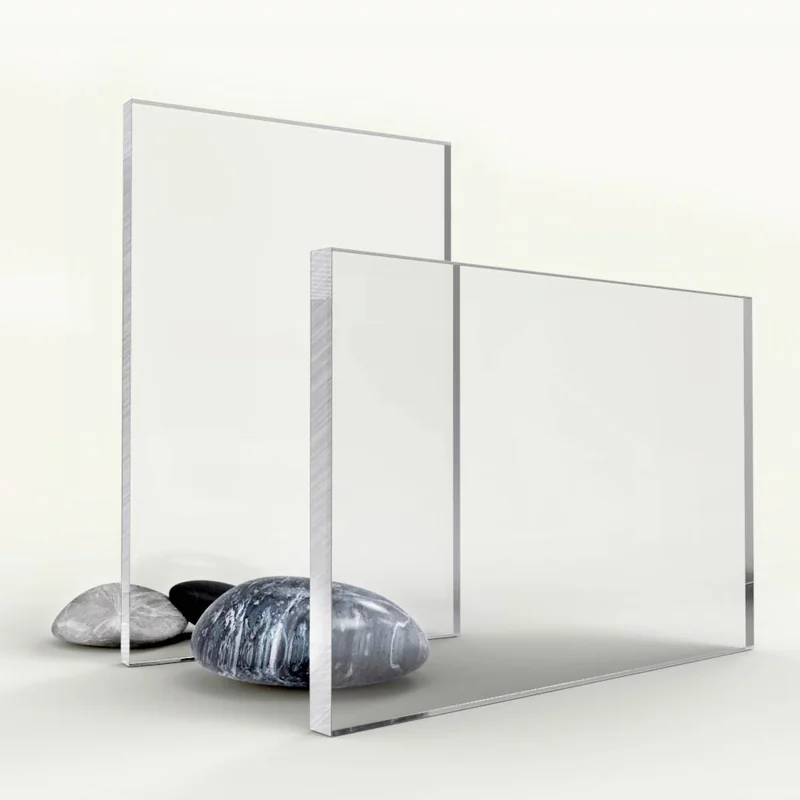
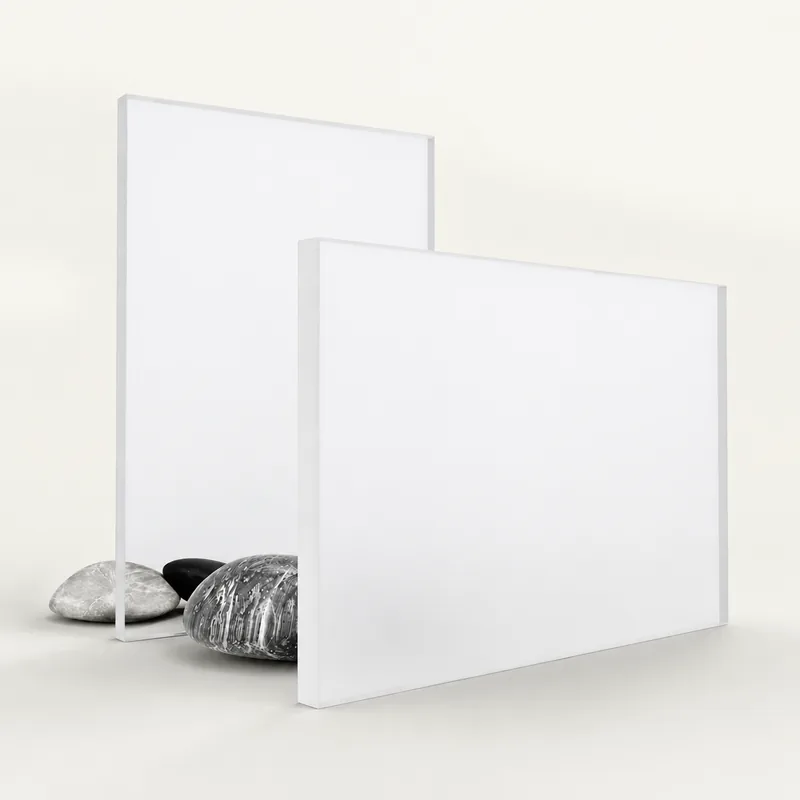
Solid polycarbonate is a single continuous sheet with no internal structure. It is heavy, dense, and maximally impact-resistant. When people refer to polycarbonate for machine guards, safety glazing, or security applications, they mean solid sheet. The material's strength comes from its mass and molecular structure. We stock solid clear in 2mm, 3mm, 4.5mm, 6mm, and 9mm at our North York warehouse.
Multiwall polycarbonate has parallel internal channels running through it, which dramatically reduces weight and creates insulating air pockets. A 10mm twin-wall polycarbonate panel weighs far less than a solid panel of equivalent thickness and provides significantly better thermal insulation. This is the preferred format for greenhouse roofing, conservatory glazing, and covered outdoor structures in Canada where heat retention matters. For growers, our polycarbonate greenhouse panel guide works through light transmission, U-values, the snow load rule and condensation control panel by panel.
The important point: solid and multiwall are not interchangeable. A greenhouse builder who orders solid sheet will get a roof that is far heavier and more expensive than necessary. A machine shop that orders multiwall polycarbonate for a guard panel will get something that looks right but has a fraction of the required impact resistance because the internal channels compromise structural integrity.
When in doubt, solid sheet is the correct default for any safety or security application.
Where Polycarbonate Sheets Are Used in Canada
Construction and glazing is the largest segment by volume, consistent with global market data showing polycarbonate sheets in roofing, skylights, canopy panels, and covered walkway systems across commercial and industrial projects.
Machine guards and industrial safety panels are the application we see most commonly from new B2B customers at FIDAR System. A fabrication shop in Mississauga ordering 4.5mm sheets for a CNC router enclosure, a food processing plant in Brampton replacing guard panels on a packaging line, a tool and die shop in Hamilton that needs a quick replacement for a lathe guard. The sheet cuts easily on-site, installs with standard fasteners, and gives the safety officer documentation they need with the UL94 V-2 self-extinguishing rating.
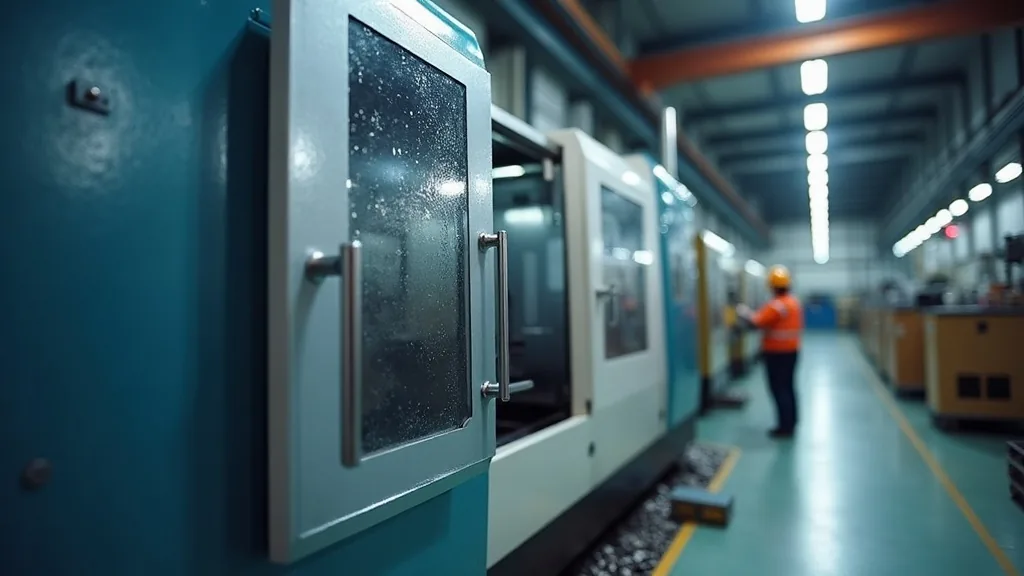 Clear polycarbonate safety panels on CNC machine enclosures, Canadian industrial facility.
Transit and public infrastructure glazing accounts for a significant portion of polycarbonate demand in urban Ontario and BC. Bus shelters, transit station panels, and covered pedestrian walkways consistently specify polycarbonate over glass for vandal resistance and weight. A glass panel in a downtown Toronto bus shelter that gets struck with a blunt object will shatter and require emergency replacement. A polycarbonate panel will dent, stay in place, and get scheduled for routine maintenance.
Greenhouse and agricultural glazing is the primary application for multiwall polycarbonate across rural Canada. Growers from the Fraser Valley to southern Ontario use twin-wall and triple-wall panels for their insulating properties in Canadian winters. A well-specified multiwall system can cut greenhouse heating costs significantly compared to single-glazed alternatives.
Skylights and architectural glazing on commercial buildings commonly use solid polycarbonate in thicknesses of 6mm to 9mm, particularly for overhead applications where falling debris or maintenance foot traffic creates impact risk. Solid polycarbonate panels on a roof can survive hail events and accidental contact from maintenance workers in ways that would shatter glass. Our dedicated guide to polycarbonate roof panels in Canada breaks down the solid, multiwall, and corrugated decision for overhead glazing, and works through snow load, span and the thickness that follows from them.
Looking at polycarbonate sheets Canada demand by region, Ontario accounts for the largest industrial share, particularly from the manufacturing corridor running through Mississauga, Brampton, Hamilton, and Kitchener-Waterloo. BC is the second-largest market, driven by greenhouse and construction glazing. Alberta demand is weighted toward industrial and outdoor enclosure applications. Customers in the Maritimes and rural Prairie provinces often have limited local supplier options, which is why Canada-wide freight shipping is part of what we offer.
Security and ballistic-rated glazing is the high-end application for thick polycarbonate. Bulletproof glass is typically laminated polycarbonate. Bank teller shields, convenience store transaction windows in high-crime areas, and institutional security glazing are all polycarbonate applications, though these require certified laminated products rather than standard solid sheet. For exterior building cladding where polycarbonate is not the right fit, ACM panels are a separate product category with their own specification requirements, and our ACM panel pricing and ordering guide lists the finishes and current 4x8 costs.
Not sure which thickness your application needs?
Tell us the machine, span, or glazing detail and we will spec the right solid polycarbonate sheet. No obligation.
Get a free quoteThickness Guide: Matching Sheet to Application
The right thickness depends entirely on the application's structural and impact requirements.
| Thickness | Typical Applications | Notes |
|---|---|---|
| 2mm | Lightweight protective covers, thermoformed components | Good for cold bending; limited impact resistance at this gauge |
| 3mm | Standard machine guards, sneeze guards, safety shields | Most common thickness for light industrial guard panels |
| 4.5mm | Bus shelters, medium-duty safety glazing, vandal-resistant panels | Step up from 3mm for outdoor public infrastructure |
| 6mm | Heavy machine guards, structural partitions, security glazing | Required for high-energy impact environments |
| 9mm | High-security glazing, overhead structural panels | Substantial weight; used where maximum protection is required |
For most machine guarding applications in Canadian manufacturing under Ontario's Industrial Health and Safety regulations, 3mm to 4.5mm is the standard. If you are replacing an existing guard, measure the original panel and match it. If you are designing from scratch, 4.5mm is the safe default for most lathe and CNC guard applications. The thickness selection methodology, meaning load, span, and application type, works the same way for acrylic; our acrylic sheet sizes and thickness guide covers that in detail if you are evaluating both materials.
Polycarbonate Sheet Pricing in Canada
Pricing is the question we get asked most often before a first order. Here is what we charge at FIDAR System for solid clear polycarbonate in 4x8 ft sheets:
| Thickness | Price (CAD per sheet) |
|---|---|
| 2mm | $90.65 |
| 3mm | $103.85 |
| 4.5mm | $132.45 |
| 6mm | $203.95 |
| 9mm | $357.95 |
These are retail per-sheet prices. Volume pricing applies at larger quantities. For regular machine shop customers ordering 10 or more sheets at a time, contact us directly for commercial pricing.
One thing worth understanding when comparing polycarbonate sheets Canada suppliers on price: the cheapest sheet is rarely the cheapest installation. A 0.2mm thickness variance across a sheet from a low-cost importer can mean the guard panel sits proud of the frame, requires shimming, and fails its OHS inspection. We hold thickness tolerance to ±0.2mm. That precision is already factored into our pricing, and it saves customers the time and cost of a second site visit.
The premium over equivalent acrylic varies more by thickness than most buyers expect. At thin gauges the gap is widest: 2mm polycarbonate runs roughly 46% above 2mm acrylic at our current pricing. At 3mm the difference narrows to about 30%. And at 4.5mm, polycarbonate ($132.45) costs within a few dollars of comparable 4.3mm cast acrylic ($128.67), which means the impact resistance upgrade at that gauge is close to free. The premium is justified when you genuinely need impact resistance, and at mid gauges it barely exists. For signage, display cases, interior partitions, and applications without real impact risk, our complete guide to buying acrylic sheets in Canada covers the lower-cost alternative in full.
Ready to price out your polycarbonate order?
Volume pricing on 10+ sheets, cut-to-size service, and same-week Ontario delivery from our North York warehouse.
North American Polycarbonate Sheet Market Growth
The North American polycarbonate sheet market is projected to grow at a 3.82% CAGR from 2021 to 2030, driven primarily by construction activity, increased industrial automation (which expands machine guard demand), and the growth of commercial greenhouse farming across Canada. The market is projected to reach $263.61 million USD by 2030, up from $185.98 million in 2020, according to Allied Market Research. The Plastics Industry Association tracks North American demand data and material standards for polycarbonate and related thermoplastics.

Cutting, Drilling and Cold Bending Polycarbonate
Polycarbonate fabricates differently from acrylic, and the differences matter.
Cutting: A circular saw with an 80-tooth carbide blade or a jigsaw with a fine-tooth blade both work well. Feed at a steady, moderate rate. Rushing the cut generates heat, which causes the material to melt and re-fuse behind the blade, creating rough edges and binding. Score-and-snap does not work on polycarbonate. The material is too flexible to fracture cleanly at a score line. Always cut through. For the full method on every tool, see our step-by-step guide to cutting polycarbonate sheets.
A note for customers who laser cut: polycarbonate is more difficult to laser cut than acrylic. The edges tend to discolour and yellow from heat absorption, and the fumes from polycarbonate laser cutting are more aggressive than those from acrylic. If edge quality matters, consider a saw cut and edge finishing rather than laser cutting.
Drilling: Standard twist drills work fine at low speeds. Back the cut with a scrap board to prevent exit-side chipping. Critically, drill holes 1 to 2mm larger than the fastener diameter. Polycarbonate expands and contracts significantly with temperature changes, and a tight-fitting fastener hole will cause the sheet to crack at the mount point through thermal cycling. We have seen this failure mode on guard panels installed with standard-diameter holes that worked fine in summer and cracked through the mounting points by February.
Cold bending: This is polycarbonate's most useful practical advantage over acrylic for site installations. The minimum cold-bend radius depends on thickness: 2mm sheet can bend to approximately 300mm radius, 3mm to 450mm, 4.5mm to 675mm, and 6mm to 900mm without risk of cracking. Mark your bend line, clamp the panel between two straight edges, and apply steady pressure. The material will hold the curve when secured into the frame.
Solvents and sealants: This is where most installation errors happen. Polycarbonate is sensitive to certain chemicals. Do not use unplasticized PVC sealants, solvent-based adhesives containing MEK or acetone, or any product containing naphthas near polycarbonate sheet. These cause stress cracking, sometimes weeks after installation. Use only polycarbonate-compatible neutral-cure silicone for sealing and glazing.
Prefer to talk it through? Call us at +1 (416) 857-7555 for real answers from the warehouse floor.
Grades, Standards and UV Protection for Canadian Conditions
Not all polycarbonate sheets in Canada are equal. The market includes premium co-extruded grades from manufacturers like Sabic (Lexan) and Covestro (Makrolon), mid-range material from established importers, and generic unbranded sheet from offshore sources that arrives with no manufacturer documentation. The difference matters, particularly for outdoor installations in Canada.
Co-extruded vs. surface-coated UV protection: This is the most important specification question for any outdoor application. Co-extruded UV protection means the UV-absorbing compound is molecularly bonded into the surface layer during manufacturing. It cannot peel or wear off. Surface-coated UV protection is applied after manufacturing and will degrade over time as the coating is exposed to weathering, cleaning, and abrasion. Polycarbonate sheets sold for outdoor use in Canada should specify co-extruded UV protection. If a supplier cannot confirm this, do not install the sheet outdoors.
One side vs. both sides: Standard solid polycarbonate sheets have UV protection on one side only. The protected side must face the sun. In a skylight installation, that means UV side up. In a vertical window or barrier application facing the outdoors, UV side toward the exterior. The unprotected side exposed to UV will begin to yellow within a few years. Good suppliers mark the UV side clearly on the masking film.
Impact resistance ratings: For machine guard applications under Canadian OHS regulations, look for polycarbonate that meets or exceeds CSA Z432 (machine safety) requirements. The material should be certified to UL94 V-2 for self-extinguishing performance. FIDAR System's solid clear polycarbonate sheets meet these specifications, which is why they are used by manufacturers in Ontario who need to document compliance.
Optical clarity: Standard solid polycarbonate sheets transmit approximately 88% of visible light. For most machine guard and glazing applications, this is sufficient. If you need higher clarity, consider cast acrylic for applications where impact resistance is not the primary requirement. For signage and display applications, polycarbonate sheets in Canada are rarely the right choice compared to acrylic.
Installing Polycarbonate Sheets in Canada: Climate Considerations
Canadian weather creates installation challenges that buyers in warmer climates do not face. Polycarbonate sheets Canada-wide go through significant thermal cycling between January lows of -30 degrees Celsius in many provinces and summer highs above 30 degrees Celsius. The material expands and contracts substantially across that range, and installations that ignore thermal movement fail.
Thermal expansion allowance: Polycarbonate has a linear thermal expansion coefficient of approximately 7 x 10 to the power of negative 5 per degree Celsius. For a 4-foot panel going through a 60 degree Celsius seasonal temperature swing, that is roughly 5mm of dimensional change across the panel width. Framing systems and fastener holes must accommodate this movement. The standard practice is to leave a 3 to 5mm gap at all edges in framed systems and to drill fastener holes 1 to 2mm larger than the fastener diameter, as covered in the fabrication section above.
Sealant selection for Canadian climates: Not all silicones perform at -40 degrees Celsius. When sealing polycarbonate sheets outdoors in Canada, specify a silicone rated for the expected low temperature. Some standard residential construction silicones become brittle at extreme cold and lose their seal. The extra cost of a temperature-rated glazing silicone is small compared to the cost of a failed installation.
Snow load for horizontal applications: Solid polycarbonate panels used as skylight glazing or overhead canopy panels in Canada must be specified for the local snow load. Ontario Building Code and provincial equivalents specify minimum snow load requirements by region. In heavy snow zones such as parts of Quebec, the Maritimes, and interior BC, 6mm to 9mm solid polycarbonate is typically required for unsupported spans. Multiwall polycarbonate panels for greenhouse and conservatory applications are often specified by their span tables, which account for snow load by region.
Cold weather installation: Polycarbonate can be installed in cold weather, unlike some sealants and adhesives that require minimum temperatures to cure. However, the sheet will be at its minimum dimensions when cold. If you install with snug fastener holes in January, the panel may buckle or crack fastener points when it expands in July. Always allow for thermal movement regardless of installation season.
A practical sizing rule for polycarbonate sheets Canada customers: if you are unsure whether to step up in thickness, step up. The cost difference between 3mm and 4.5mm on a ten-sheet order is about $286 CAD. The cost of repeating a guard fabrication and a safety inspection after a cracked panel is considerably more. Spec to the safety requirement first.
When we supply polycarbonate sheets in Canada for outdoor applications, we include installation notes with every order covering expansion allowances for the relevant thickness and sheet size. If you have questions about your specific installation, call us before cutting. Getting this right on the first order is faster and cheaper than replacing a failed panel six months later.
Polycarbonate Sheets Canada: Choosing the Right Supplier
The polycarbonate sheet market in Canada has the same supplier quality variation problem that acrylic has: generic imported material sold without specification, inconsistent thickness tolerances, and UV layers that fail within two years. Here is what to look for.
Material specification transparency: A reliable supplier tells you exactly what they are selling. UV layer on one side or both? Co-extruded or coated? What is the manufacturer? Generic "clear polycarbonate" with no further specification is a red flag. If a supplier cannot confirm the UV treatment and its location on the sheet, assume the worst.
Thickness consistency: Measure your sheets when they arrive. Polycarbonate at genuine specification tolerances should be within plus or minus 0.2mm of stated thickness across the sheet surface. Undersized sheets that just fall within nominal measurement averages are common from low-quality importers.
UV protection placement: The UV-resistant layer is on one side only on most standard solid PC sheets. It must face the sun in any outdoor installation. Good suppliers mark this clearly on the masking film. If the masking does not indicate which side is UV-protected, contact the supplier before installing.
Cut-to-size availability: Suppliers who offer cut-to-size service are more likely to have proper handling and fabrication knowledge. An operation that only sells full sheets and nothing else is often a pass-through importer without the application knowledge to help you avoid specification mistakes.
At FIDAR System, we stock solid clear polycarbonate in all five thicknesses at our North York warehouse, with same-week delivery across Ontario and freight shipping Canada-wide. We can confirm the UV layer placement for every order and offer cut-to-size service for customers who need custom dimensions.
TORONTO WAREHOUSE Unit 29, 601 Magnetic Drive, North York, ON, M3J 3J2
Phone: +1 (416) 857-7555 Office: +1 (416) 726-2428 Email: info@fidarsystem.com
Frequently Asked Questions
Written by
B.Sc. Materials Engineering · 12 yrs industry experience
Sarah brings over 12 years of hands-on experience in Canada's plastics and composites industry. She specializes in material selection, industrial-grade specifications, and supply chain optimization for manufacturers, fabricators, and distributors across the country.
Reader Reviews
Loading reviews…