

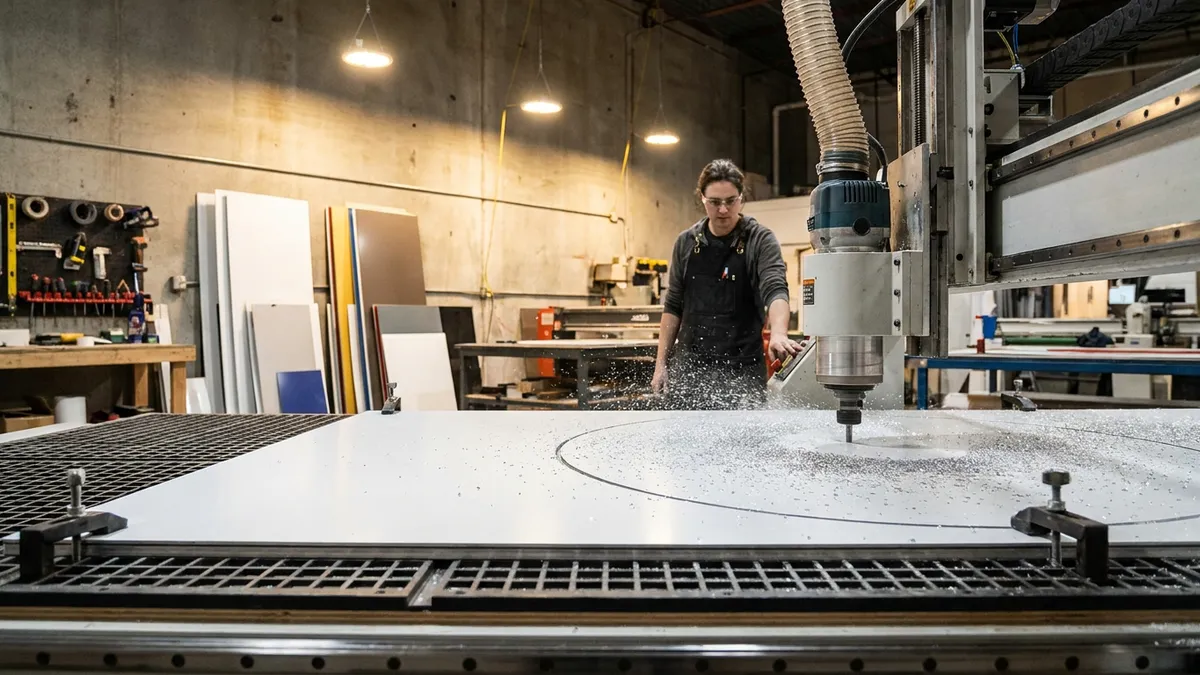
ACM panels for signs are the substrate most Canadian sign shops build on, and the reason is simple: one flat, light, paint-finished sheet cuts on a router, folds on a V-groove, and takes UV print or vinyl straight off the crate. We cut aluminum composite panel sheets for sign shops and cladding crews every week from our North York warehouse, and this guide walks the whole fabrication path we watch our customers run, from picking the sheet to hanging the finished sign. It is the shop-floor companion to our ACM panel supplier pricing guide, which handles the ordering side.
Key takeaways:
- Cut ACM with an 80-tooth-plus carbide blade or a CNC router, face-up, and never with a laser.
- A V-groove routed to within about 0.8mm of the back skin folds a clean 90 degree return by hand.
- White matte on both faces is the print-and-vinyl workhorse and our cheapest finish at $63.18 CAD per 4x8 sheet.
- UV flatbed prints straight onto the panel; wipe with alcohol first, laminate only for long outdoor life.
- Standard PE-core ACM is right for signage; fire-rated core is a facade code question, not a sign one.
Why sign shops build on ACM panels for signs
Aluminum composite material is two thin sheets of painted aluminum bonded to a solid polyethylene core, and that sandwich is what makes it behave so well on a sign bench. The panel is flat and stays flat, it is rigid enough to span a sign frame without oil-canning, and at about 3.56 kg per square metre a full 4x8 sheet weighs only about 10.6 kg, so one person can carry a blank to the router. The face arrives painted in a consistent factory finish, which means a run of ACM panels for signs matches across the whole job with no painting step.
The material was invented for exactly this kind of work. 3A Composites, whose DIBOND aluminium composite sheet is the reference product the trade grew up on, built the first ACM as a print and sign substrate, and the format has barely changed: 3mm total thickness, 0.3mm or 0.2mm aluminum skins, 4x8 sheets. Our full ACM panel guide for Canada covers the structure and market in depth. On the bench, what matters is that ACM does four things well in sequence: it cuts clean, it folds on a groove, it prints and takes vinyl, and it installs light. The rest of this guide takes them one at a time.
Start with the right panel: face gauge, core, and finish
Before a blade touches anything, pick the sheet to suit the job, because the wrong finish or core costs you a reprint or a failed inspection later. Three choices decide it: the aluminum face gauge, the core type, and the face finish.
Face gauge. Our ACM runs a 0.2mm painted aluminum face on most finishes and a heavier 0.3mm face on the gloss and mirror options. The 0.3mm face resists denting and handling marks better, which is why we put it on the finishes that end up on premium interior work. For everyday printed signage the 0.2mm face is plenty.
Core. Standard ACM uses a polyethylene core, and for freestanding signs, wall signs, and low-rise storefront fascia that is the correct choice. Fire-rated FR or A2 core panels use a mineral-filled core, roughly 70 percent mineral to 30 percent polymer, and are typically required only for cladding on occupied multi-storey facades. That distinction is a building-code call, not a sign-shop preference, and the National Building Code of Canada and standards like CAN/ULC-S134 set the requirement. For a sign, PE core is almost always right; if you are cladding an occupied high-rise, confirm the core against the project's code review first.
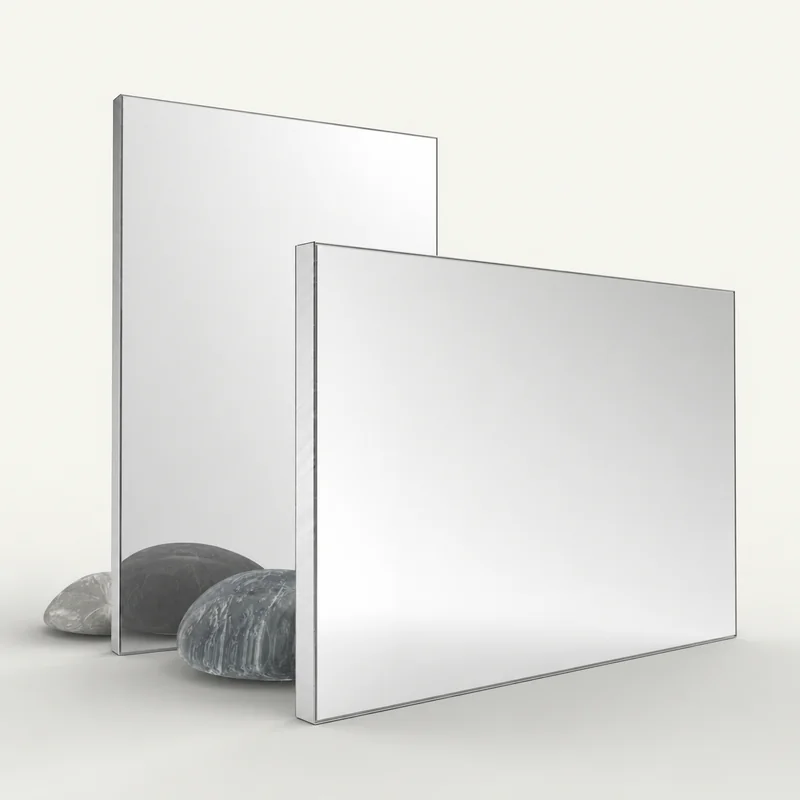
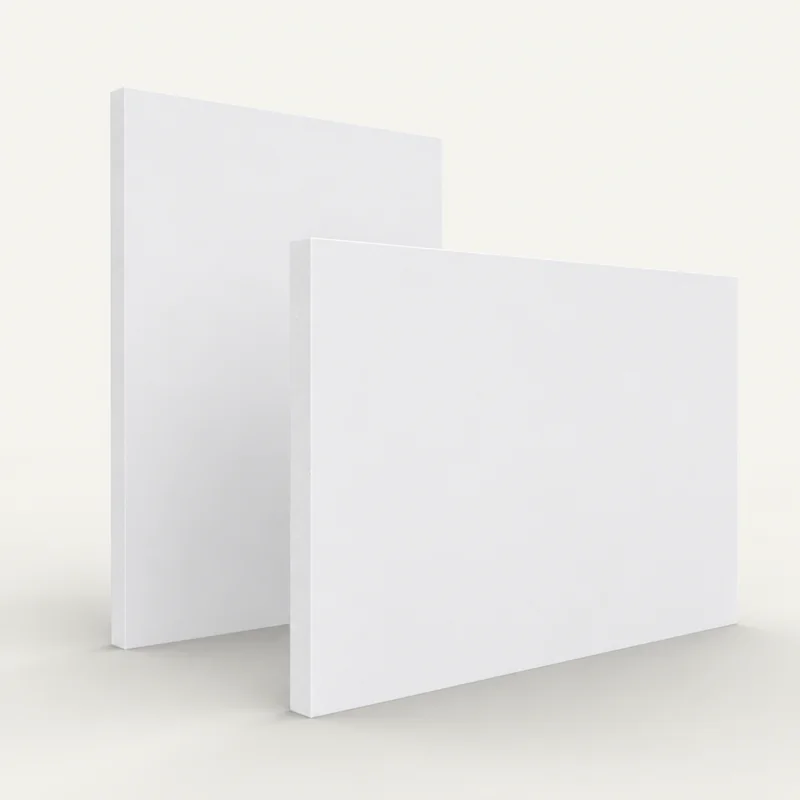
Finish. Because four of our eight finishes share the same $63.18 price, the finish decision is about how the face fabricates and reads, not budget. White matte prints and takes vinyl best; mirror and black gloss look premium but resist print and cost more. The map below plots where each face lands for a sign shop, sized by its real sheet price.
Bubble size = FIDAR sheet price, $63.18 to $140.18 CAD per 4x8
White matte prints best and costs least; brushed, gloss, black, and mirror faces read more premium but resist print and cost more per sheet.


Cut it clean: saw blades, router bits, and chip-out
ACM cuts easily, but a clean cut and a chipped one look completely different on a finished sign, so the tooling matters. The whole game is shearing the thin aluminum face without tearing the paint. Cut every panel face-up with the masking film left on, mark on the film, and let a sharp tool do the work rather than forcing the feed.
Here is what we run and recommend for each operation:
| Operation | Tool | Setting | Why it matters |
|---|---|---|---|
| Straight cuts | Circular saw or panel saw, 80T+ carbide, triple-chip grind | Full depth, steady feed, face-up | Fine teeth shear the aluminum face without chipping the paint |
| Shapes and contours | CNC router, single-flute O-flute or compression bit | ~18,000 rpm, moderate feed | Compression bit leaves both faces clean on a cut-through |
| Fold lines | ACM V-groove bit, 90, 108, or 135 degree | Groove to within ~0.8mm of back skin | Leaves the back skin to hinge on, so the fold does not crack |
| Holes | Standard HSS twist or step bit | Light pressure, back it up | Prevents the bit grabbing and denting the face |
The one rule with no exception: no laser. The aluminum face reflects a CO2 laser beam, which can wreck the machine optics, so ACM never goes near the laser bed. That is the opposite of acrylic, where laser cutting is the whole point. If your job mixes materials, our PVC foam board vs acrylic for signs breakdown sorts out which substrate goes on which machine. Keep a blade or bit reserved for ACM if you can, because aluminum dulls tooling faster than the plastics do, and a dull bit is where chip-out starts.
A routed or sawn edge on ACM usually needs only a light deburr. Run a deburring tool or a fine sanding block along the cut to knock down the small aluminum burr the tool raises, so the edge is safe to handle and clean to trim or cap. ACM cuts cool and produces a coarse chip rather than fine dust, but the aluminum swarf is sharp, so keep the router's vacuum shoe running and clear the bed between parts. Because the polyethylene core can build a light static charge on a dry winter day, a quick wipe keeps chips from clinging to the face before you print.
Rout the V-groove: the fold that makes an ACM sign
V-grooving is the technique that turns a flat sheet into a three-dimensional sign, and it is the single skill that separates a clean ACM sign from a flat-cut panel screwed to a wall. You rout a V-shaped channel down the fold line, removing the core and the front face but leaving the back aluminum skin intact, then fold the panel by hand along that hinge into a crisp corner.
The depth is everything. Route down through the core and stop within about 0.8mm of the back skin: too shallow and the panel cracks the face when you fold it, too deep and you cut through the hinge and lose the corner. The bit angle sets the fold angle, so a 90 degree bit gives a 90 degree return for a sign cabinet edge, while dedicated ACM folding bits come in 90, 108, and 135 degree profiles for the shallower angles fascia and cabinet returns need. After folding, secure the return from behind with pop rivets at 150 to 200mm centres, structural tape, or an angle bracket, depending on how much the corner has to carry.
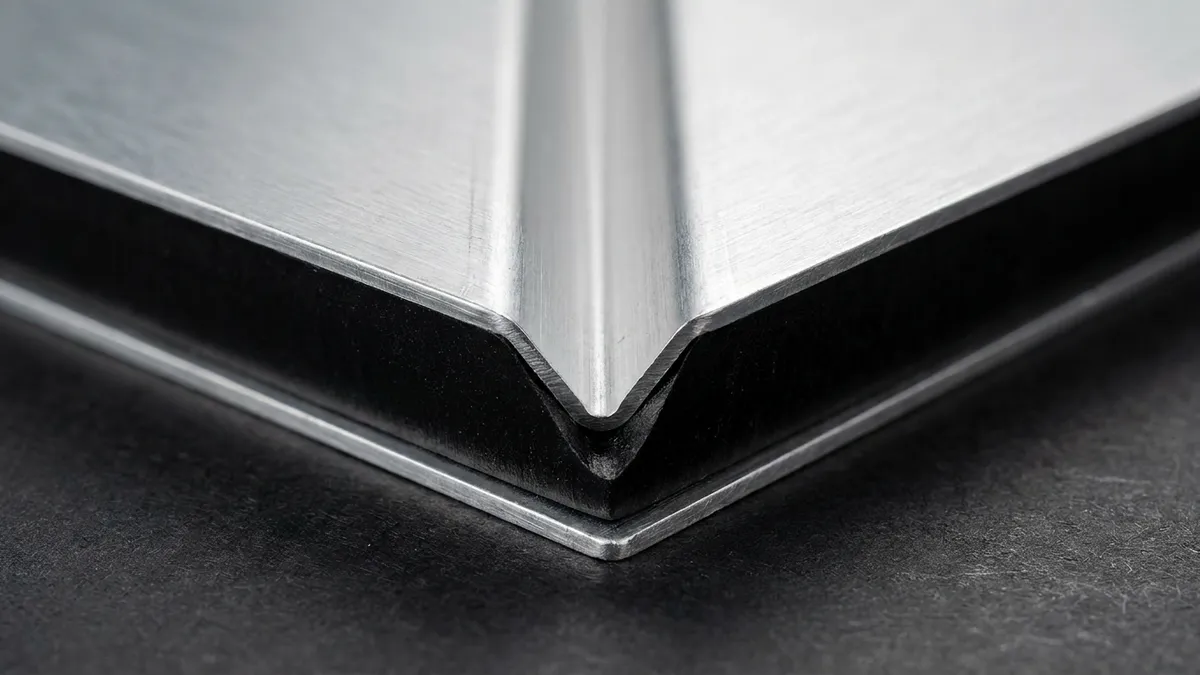 A V-groove routed to within about 0.8mm of the back skin lets ACM fold into a crisp, uncracked 90 degree return.
Need ACM cut and grooved for a sign run?
Send your cut list and fold lines. We cut to size and V-groove your returns before pickup or GTA delivery, so the panels drop straight onto the bench ready to fold and finish.
Print and apply graphics: UV, vinyl, and lamination
Once the blank is cut, the face is where the sign happens, and white matte ACM is built for it. A UV flatbed printer lays ink directly onto the panel and cures it on contact, giving a hard, scratch-resistant, outdoor-capable print in one pass with no laminating step for most interior and short-to-medium outdoor jobs. The International Sign Association lists ACM among the core substrates the trade prints on for exactly this reason.
Prep is short but it is not optional. Wipe the face with isopropyl alcohol to lift handling oils before you print or apply vinyl, because the factory paint takes ink and film well but not over a fingerprint. For applied graphics, cut vinyl and lay it on the matte face with a squeegee just as you would on any rigid substrate; the flat, non-porous surface is forgiving. For signs facing years of direct Canadian sun, add a UV laminate or overlaminate film over printed vinyl to hold the colour, since that is where fade shows up first on long exposures.
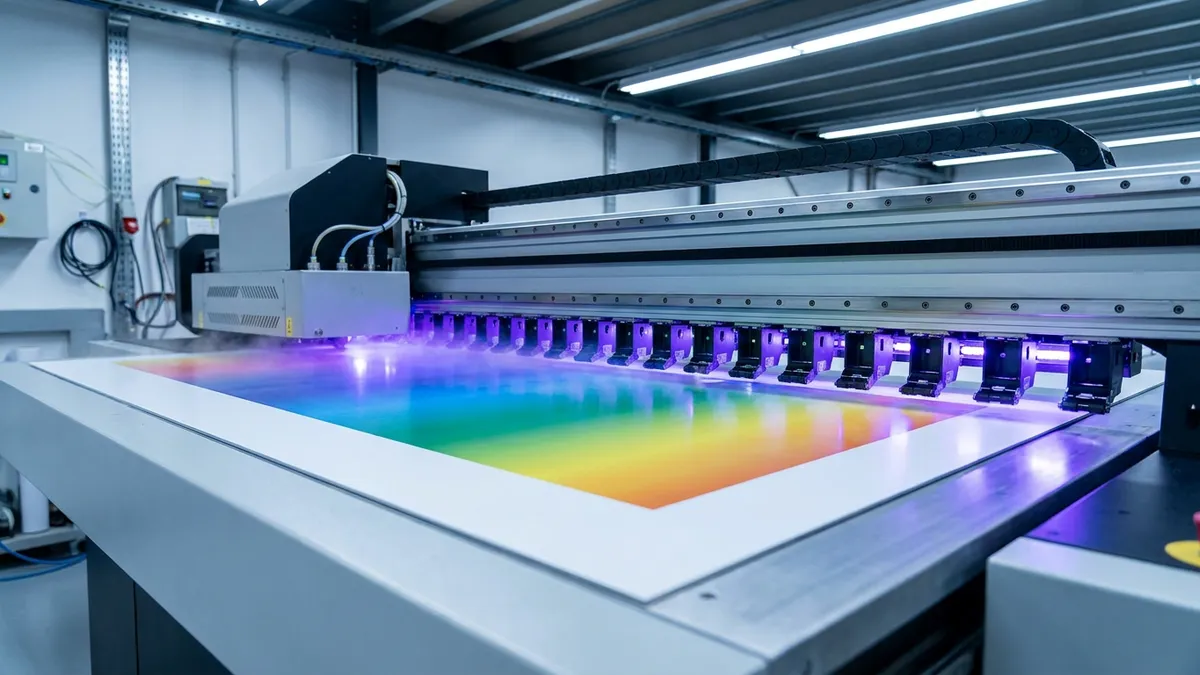 White matte ACM takes UV flatbed ink straight off the crate; a quick alcohol wipe is the only prep the factory face needs.
Because both faces of a white matte sheet are finished, you can print or apply to either side, which is why shops treat offcuts as usable stock rather than scrap. That two-sided value is a big part of why white matte outsells every other finish we carry combined.
Finish the edges and install on site
The last two steps decide whether a sign reads as fabricated or finished. On a flat-cut sign the routed edge is usually clean enough to leave bare once the masking film peels off. Where the dark core would show against a light face, or the client wants a premium look, cap the edge with an aluminium or PVC edge trim, or fold a V-grooved return so the face wraps the edge and hides the core entirely. On exterior signs, a capped or folded edge also keeps water out of the core.
Installing ACM is light work, which is half its appeal. A 4x8 sign panel goes up by hand where the same footprint in solid aluminum would need lifting gear. For flat-cut signs, fasten through the face into the substrate with wide washers or a backer so you are not denting the skin around a single screw. For panel systems and fascia, hang the panels on aluminium extrusion clips or a sub-frame per the system spec, and leave a small expansion gap at the joints, because aluminum moves with temperature and a sign fixed hard corner-to-corner will oil-can on the first hot afternoon. Store and transport blanks flat and racked, never leaning against a wall, since a bowed sheet fights you at install.
Outdoors, ACM earns its keep. The painted aluminum face shrugs off Canadian weather, and a factory finish holds colour for years where a printed vinyl might need a laminate to keep pace. The one thing to plan for is the freeze-thaw cycle: over a Toronto winter, a panel expands and contracts through a wide temperature swing, so a fascia run that looked tight in July needs the expansion gaps that stop it buckling in a January cold snap. Space fasteners evenly, size the holes slightly oversize on long runs to let the panel move, and the sign stays flat across the seasons.
Want the whole panel job from one supplier?
We stock all eight ACM finishes, cut and groove to your drawing, and quote the panels, the cutting, and delivery together. Send the scope and get same-day pricing.
Get a free quoteStock the finishes your bench actually runs
A sign shop does not need one of everything; it needs depth in the finishes its work uses. In practice that means keeping white matte on the shelf by the sheet and ordering the specialty faces to the job. Here is how the finishes sort out by what they fabricate into:
- White matte, both faces ($63.18): the print and vinyl workhorse. Flat-cut signs, printed panels, wayfinding, sign cabinet faces. Keep the most of this one.
- White gloss and brushed silver ($85.18 and $74.18): cleaner architectural read for storefront fascia and reveal-jointed panel runs where a plain matte face looks too utilitarian.
- Black matte with black gloss ($85.18): premium interior signs, lobby and feature-wall panels, monument sign faces that want a deep finish.
- Mirror silver ($140.18): accent and feature work only. For a true reflective interior look at less weight, our mirror acrylic sheets are the lighter alternative.
For a big job that outgrows 3mm ACM, our honeycomb composite panels carry the large-format light-wall and structural spans ACM is too thin for, and our honeycomb composite panel specifier's guide walks through the pricing and edge detailing before you commit to one. The full ACM and composite panels category shows what we stock alongside. If PVC foam is in the mix for interior or short-life signage, the complete PVC foam board guide covers where it beats ACM and where it does not. For the substrate decision one level up, before ACM is even on the table, our guide to choosing sign board material sorts every sheet we stock by the job it belongs on.
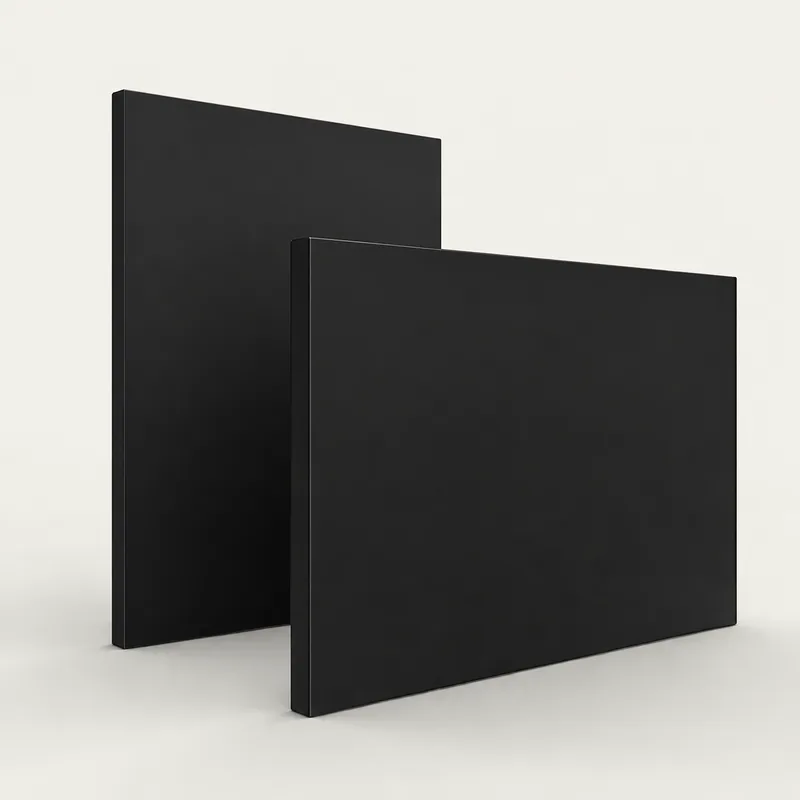
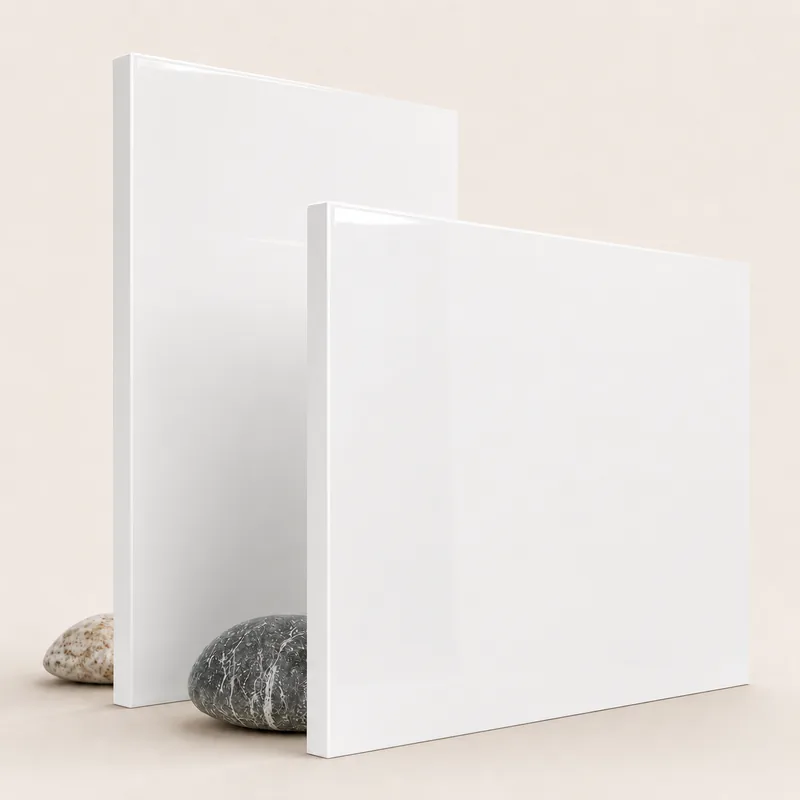
Where to get ACM cut and ready for your sign job
From a supplier that stocks the finishes, cuts and grooves to your drawing, and delivers the same week, so a sign run leaves on one order ready to fold, print, and hang. We keep all eight ACM finishes on the shelf in North York, cut them to your sizes, V-groove your fold lines, and quote the panels, the cutting, and the freight together. Send your cut list to our quote request for same-day pricing, or contact our team to talk through a finish or a fold before you commit the order.
Prefer to talk it through? Call us at +1 (416) 857-7555 for real answers from the warehouse floor.
TORONTO WAREHOUSE Unit 29, 601 Magnetic Drive, North York, ON, M3J 3J2
Phone: +1 (416) 857-7555 Office: +1 (416) 726-2428 Email: info@fidarsystem.com
Frequently Asked Questions
Written by
Red Seal Fabricator · 15 yrs hands-on experience
James is a Red Seal certified fabricator with 15 years of practical experience cutting, shaping, and installing acrylic, PVC, and composite panels. He writes practical, tool-in-hand guides for sign shops, fabricators, and serious DIYers who want real answers from the shop floor.
Reader Reviews
Loading reviews…